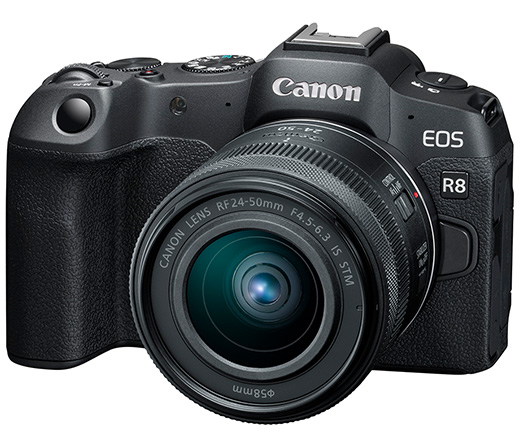
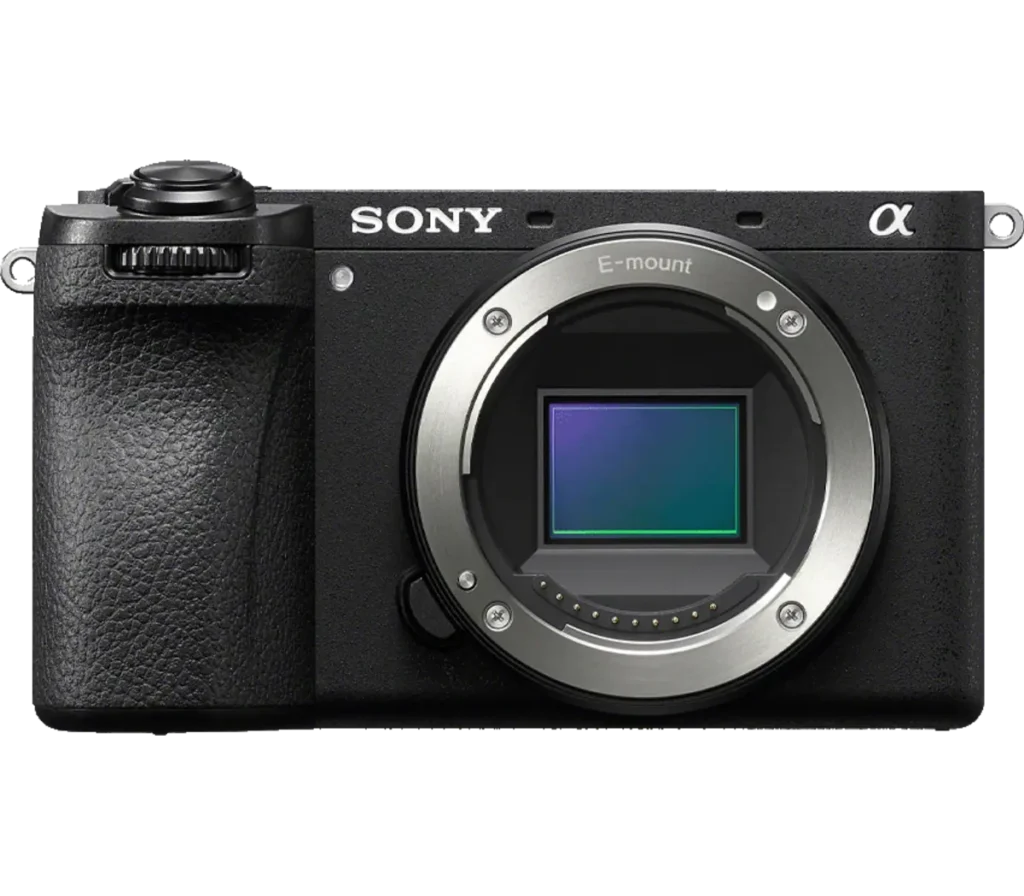
Product photograph from the Shutterbug News archive. Shown as an equipment example, not a new test result.
Equipment guide. This article explains selection and evaluation criteria; it is not a hands-on product review.
A rolling case can make a substantial kit easier to transport across smooth surfaces. Its usefulness changes when stairs, gravel, narrow aisles or crowded rooms enter the route. Evaluate the journey from storage to shooting position, not just the case’s capacity.
Walk through the route
Consider where the case must be lifted, where it can be parked and whether it will obstruct other people. Check handles and the loaded weight you can manage comfortably. A case that rolls easily may still be awkward when carried up steps.
Confirm transport dimensions and restrictions with the relevant carrier or venue. Do not assume a product’s travel description guarantees acceptance everywhere.
Organise for the assignment
Place the equipment needed first where it can be reached without unpacking the whole case. Keep batteries and cards in clearly identified holders. Ensure dividers support the kit without pressing against screens, lens controls or exposed connections.
Prepare a smaller working bag if the case will stay in a secure base area during the event.
Plan the end of the day
Tired pack-down is where missing caps and loose accessories become common. Use a short inventory and check the case before leaving each location. A rolling case works best as part of an organised transport system, with a clear plan for security, access and the moments when its wheels cannot help.
Continue exploring
Tenba Roadie Roller 24 Case · Capture the wedding day like Bohemian Rhapsody