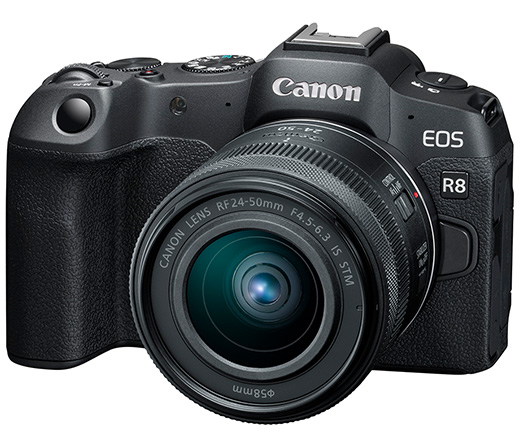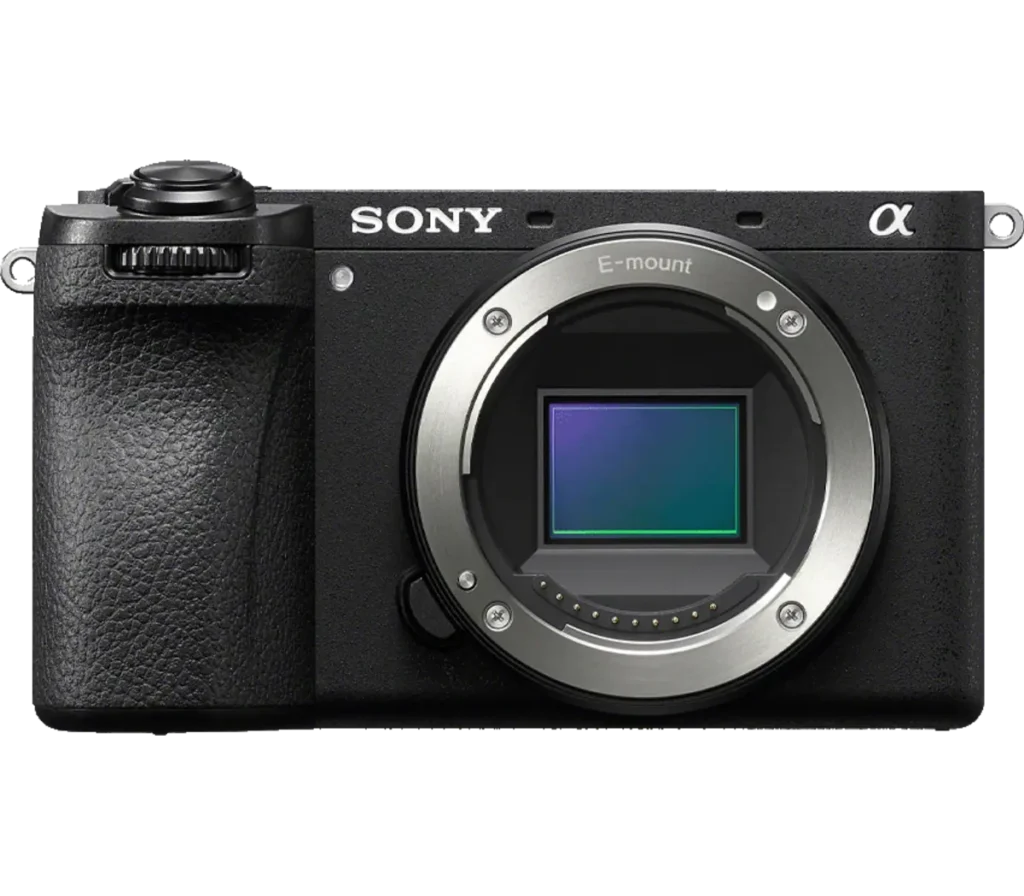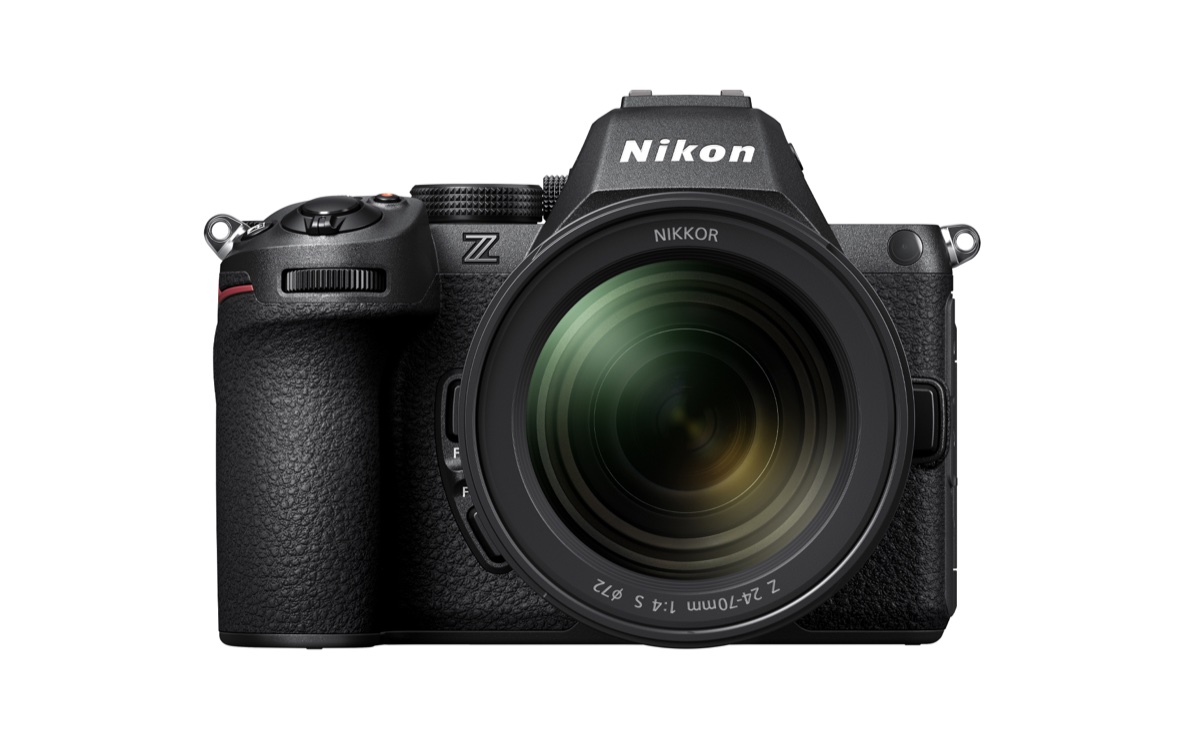
Product photograph from the Shutterbug News archive. Shown as an equipment example, not a new test result.
Equipment guide. This article explains selection and evaluation criteria; it is not a hands-on product review.
Start a camera-kit decision with your last twenty photographs. Which subjects appear repeatedly, and which pictures were difficult to make? A dim room, a distant bird and a long walk create different equipment requirements. Naming the actual problem is more useful than deciding that the entire kit needs an upgrade.
Identify the limiting step
Separate camera limitations from technique and access. A blurred moving subject might require a faster shutter speed; it does not automatically prove that the lens is poor. A photograph made from the wrong position may improve more through planning than through additional resolution.
Write a short requirement for each recurring problem. “Carry comfortably for three hours” is measurable. “Professional quality” is too vague to guide a comparison.
Compare the complete system
Include the lens, support, batteries, storage and carrying method in the cost and weight. A compact body with a large lens may not solve a portability problem. Check that the accessories needed for your intended use are compatible and readily available.
Try a realistic handling exercise where possible: change settings, review a frame, hold the combination at shooting height and pack it away. Small frustrations repeated throughout a day can matter more than a specification advantage.
Buy in a useful sequence
Prioritise the change that removes the clearest limitation. Rent or borrow when a short trial can answer an expensive question. Keep a record of what improved after each change. A successful kit is one that supports your photographs reliably, including the days when carrying less helps you make more.
Continue exploring
Nikon Z5II review: a practical full-frame upgrade · Finding Your Visual Signature: Building a Photography Portfolio People Remember