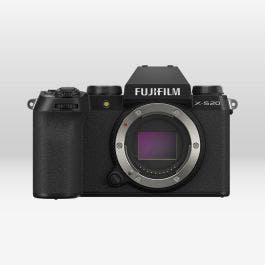
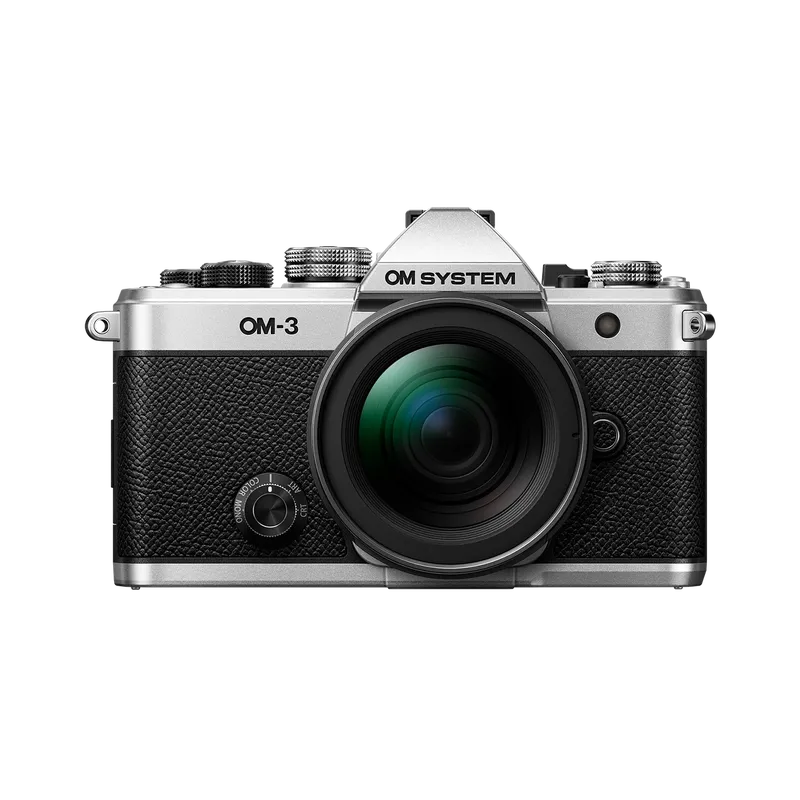
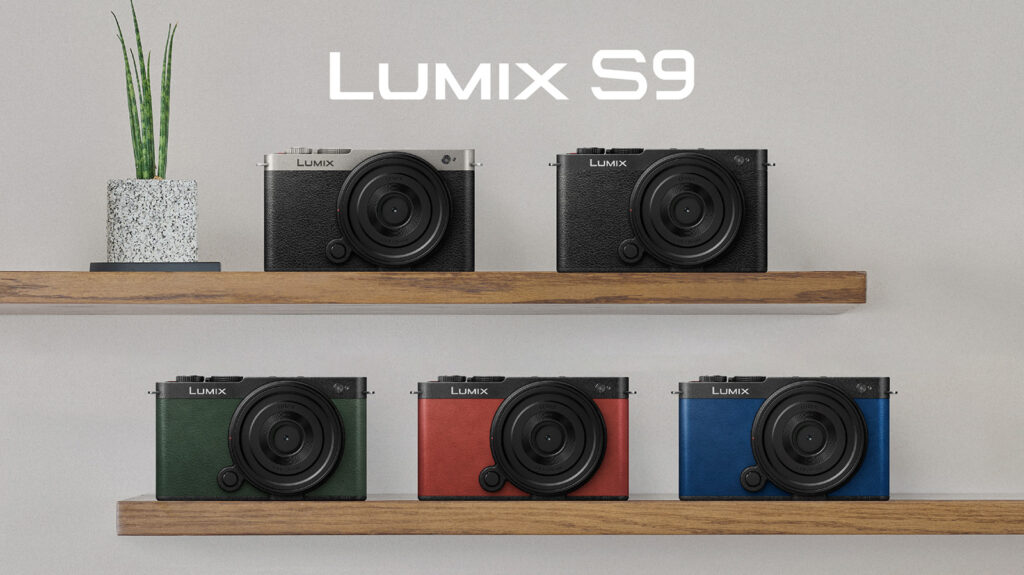
Product photograph from the Shutterbug News archive. Shown as an equipment example, not a new test result.
Equipment guide. This article explains selection and evaluation criteria; it is not a hands-on product review.
Continuous lighting lets you see its effect before the exposure, while flash delivers light during the photograph. Both can support portraits, but they create different working conditions. Decide whether stills, video or a mixture of the two is the main task.
Start with the subject and space
For video, continuous light is the natural starting point. For stills, consider how much light is needed at the aperture and shutter speed that suit the subject. A room that looks bright to your eyes may still require exposure compromises on camera.
Check practical factors including available power, cooling noise, mounting and room size. A light must fit the session as well as the photograph.
Compare the whole modifier setup
Evaluate the light with the modifier you intend to use. A softbox, grid or diffusion layer changes output and handling. Read the manufacturer’s compatibility and heat guidance rather than assuming any accessory can be attached safely.
For flash, confirm trigger compatibility and the camera’s supported sync behavior. For continuous light, make a recording or exposure test at the settings you plan to use.
Choose a system you can repeat
A modest light used consistently can be more valuable than a powerful unit that is difficult to position or control. Build one dependable setup, record the arrangement and learn its limits before adding more equipment. Expand when a specific photograph requires a capability the current setup cannot provide.
Continue exploring
Nanlite Announces FC-300B / 500B LED Lights · Lighting is your Key to Success