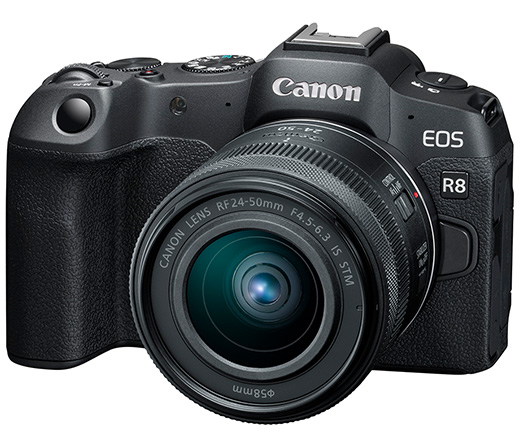
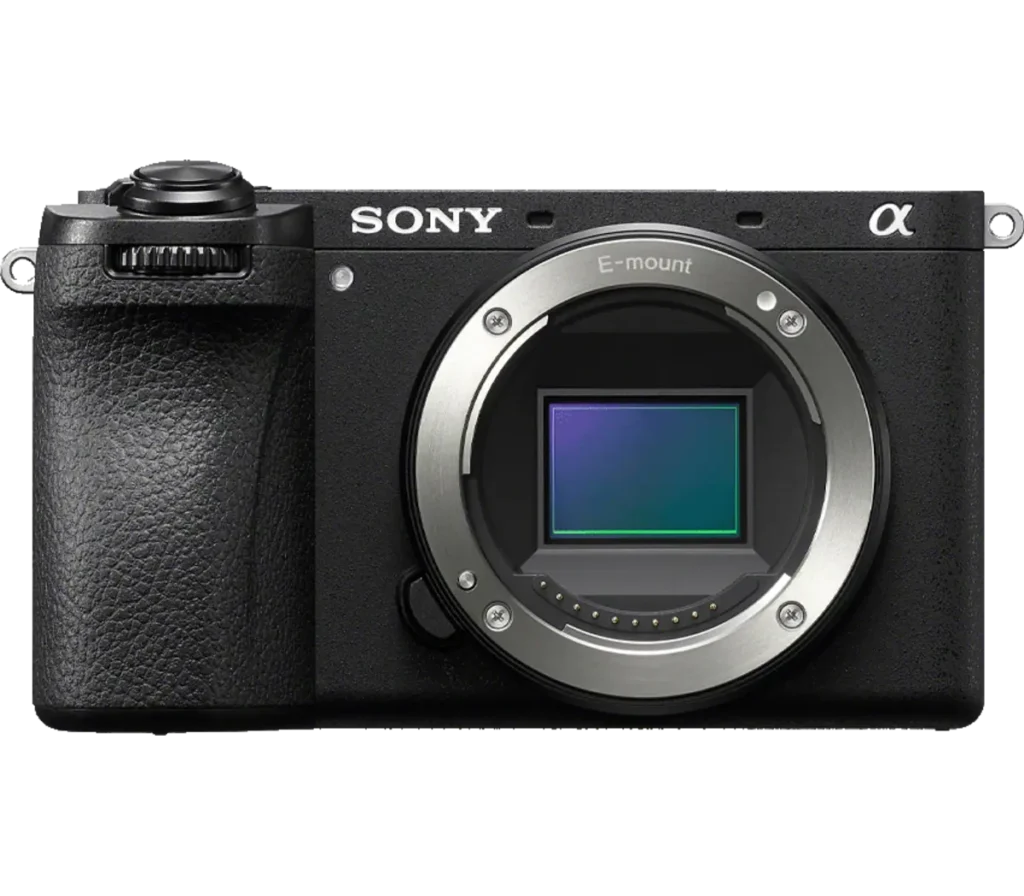
Product photograph from the Shutterbug News archive. Shown as an equipment example, not a new test result.
Equipment guide. This article explains selection and evaluation criteria; it is not a hands-on product review.
Weather resistance is not a promise that a camera bag can be submerged or left indefinitely in heavy rain. Openings, seams, worn fabric and the way you access equipment all affect protection. Read the maker’s stated conditions and plan for the weather you are likely to encounter.
Inspect the vulnerable moments
The bag is most exposed when you open it, set it on wet ground or attach dripping equipment. Check where water might collect and whether a cover protects the areas that matter. Make sure you can deploy the cover without emptying the bag.
Do a dry rehearsal before travelling. Learning how a cover fits in strong wind or sudden rain is unnecessarily difficult.
Separate wet equipment
Keep a suitable cloth and a way to isolate damp accessories from dry items. Do not seal wet gear away longer than necessary. Follow the camera, lens and bag manufacturers’ care instructions, particularly when moving between markedly different temperatures.
Avoid treating an improvised covering as a reason to ignore the equipment’s operating limits.
Dry and inspect afterward
Empty the bag in an appropriate indoor space, let components dry and inspect for retained grit or moisture. Check covers and closures before the next trip. Effective weather protection is a combination of product design and careful handling, with a realistic plan for stopping when conditions exceed what the kit can tolerate.
Continue exploring
Tenba Shootout 32L Camera Bag · Top 10 Photography Tour Companies to Know in 2026