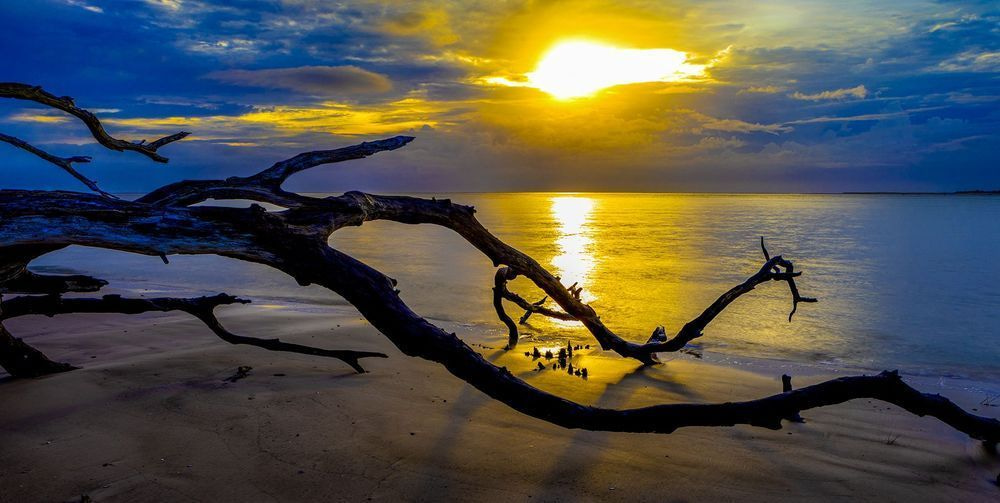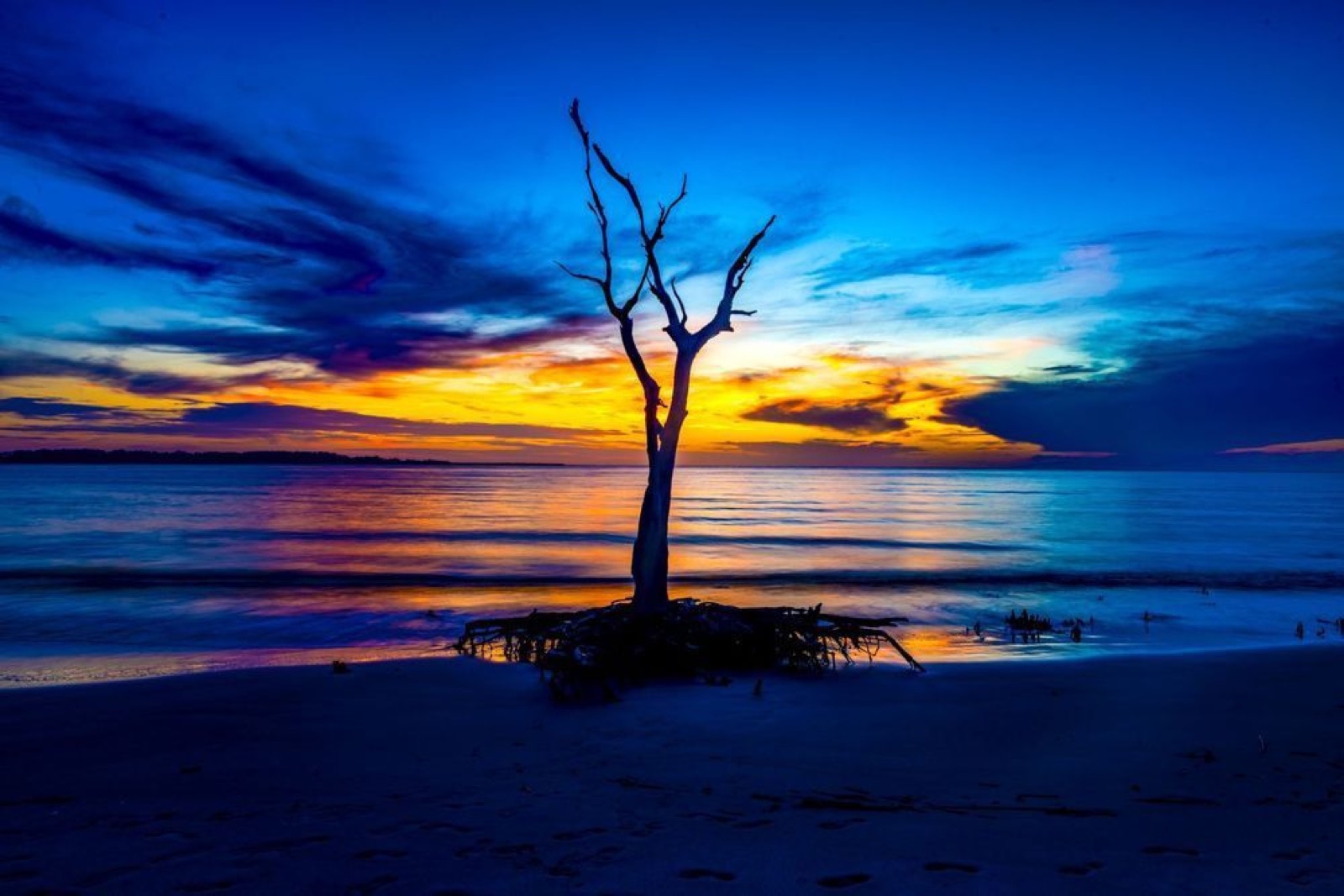
Two photographs placed together can do more than illustrate the same subject twice. A diptych asks the viewer to read a relationship across the gap. Decide whether that relationship is a contrast, an echo or an interruption before treating two individually successful images as a finished pair.
Name the relationship
The National Portrait Gallery describes the modern use of diptych for two coordinating parts, including photography. MoMA’s glossary describes a two-panel work. For a photographic exercise, begin with a precise pairing question: do these images show a change in light, repeat a shape or challenge each other’s apparent meaning?
Place small work prints side by side without captions. Write one sentence describing what the pairing contributes beyond either photograph alone. If the sentence only names a shared location or color, look for a more specific visual relationship.
Test order, scale and spacing
Reverse left and right, then compare a vertical arrangement. Notice where lines, gazes or bright areas lead across the join. Test a narrow gap and a wider gap using the same print sizes. The gap changes whether the parts feel closely connected or deliberately separate.
Next compare equal-sized prints with one larger panel. Make one change at a time and retain a photograph of each arrangement. A useful pair should survive more than a quick screen preview; inspect it at the intended display scale where practical.
Document the chosen presentation
Record panel order, dimensions, frame treatment and spacing. If the parts are intended to remain one work, describe that intention clearly in the accompanying record. Keep the presentation note with the files so a later installation does not become an accidental new version.
Read our guides to editing a cohesive series and writing an artist statement for broader project context. The featured Boneyard photograph is a single image offered as a possible starting point for a pairing exercise; no completed diptych or artist intention is attributed to its maker.
Sources and further reading
Dusk at the Boneyard, Boneyard Beach, Florida. Photograph © Neal Nachman / Artistic Creationz. Single-image illustration, not a documented diptych.