A finished photography project can support more than one useful post without repeating the same promotional message. The key is to answer different reader questions rather than changing a few words around the same image.
Explain one decision
Choose a specific creative or practical choice from the project. Why did the final selection use a quieter frame? What made a vertical composition more useful? Which part of the location determined the camera position?
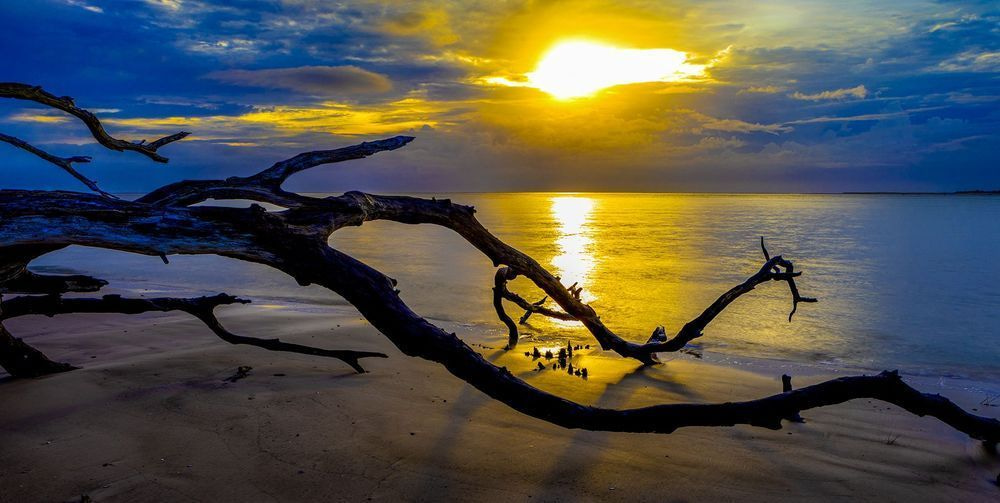
Show the relevant photograph and explain the decision in language a viewer can follow. A concise account of one real choice is usually more memorable than a broad claim about dedication or quality.
Show the finished result
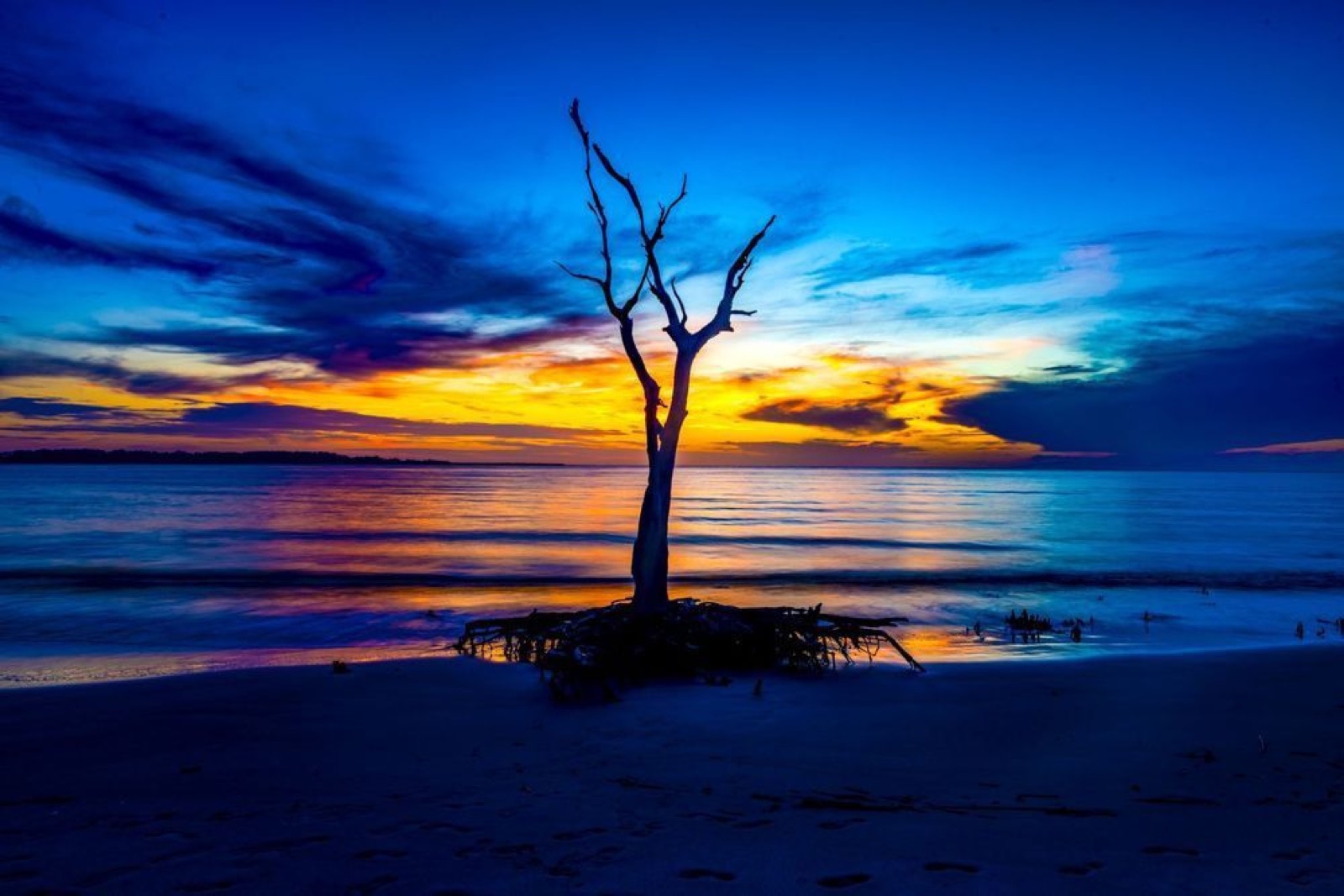
A second post can concentrate on the completed work: the selected image, sequence, installation or delivered gallery. Include the practical information that makes the outcome understandable, such as its intended use or the role of the final format.
Keep the account factual and obtain the appropriate permission before sharing private client material. A project can be discussed meaningfully without exposing the entire brief or every image produced.
Answer the next likely question
A third post should help the interested reader take a sensible next step. That might be understanding a commission process, comparing print dimensions or preparing for a portrait session.
Link to the page that answers that question directly. Sending every reader to the homepage creates extra work when the post has already established a more specific intention.
Review the three posts together before publishing. Each should have its own headline, useful image and purpose. If two make the same point, combine them and look for a genuinely different question in the project notes.
This approach creates a small body of helpful editorial material around work that already exists. It also reduces the pressure to invent a new promotional idea every time the calendar needs a post.