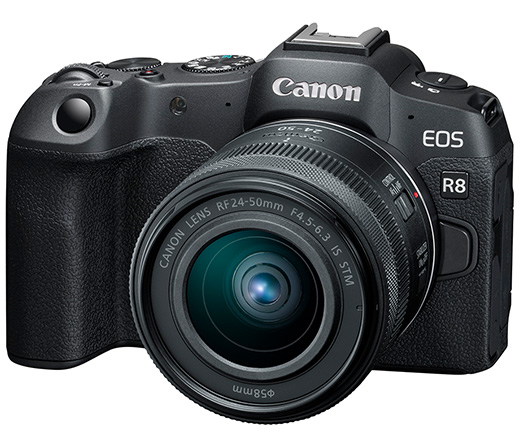
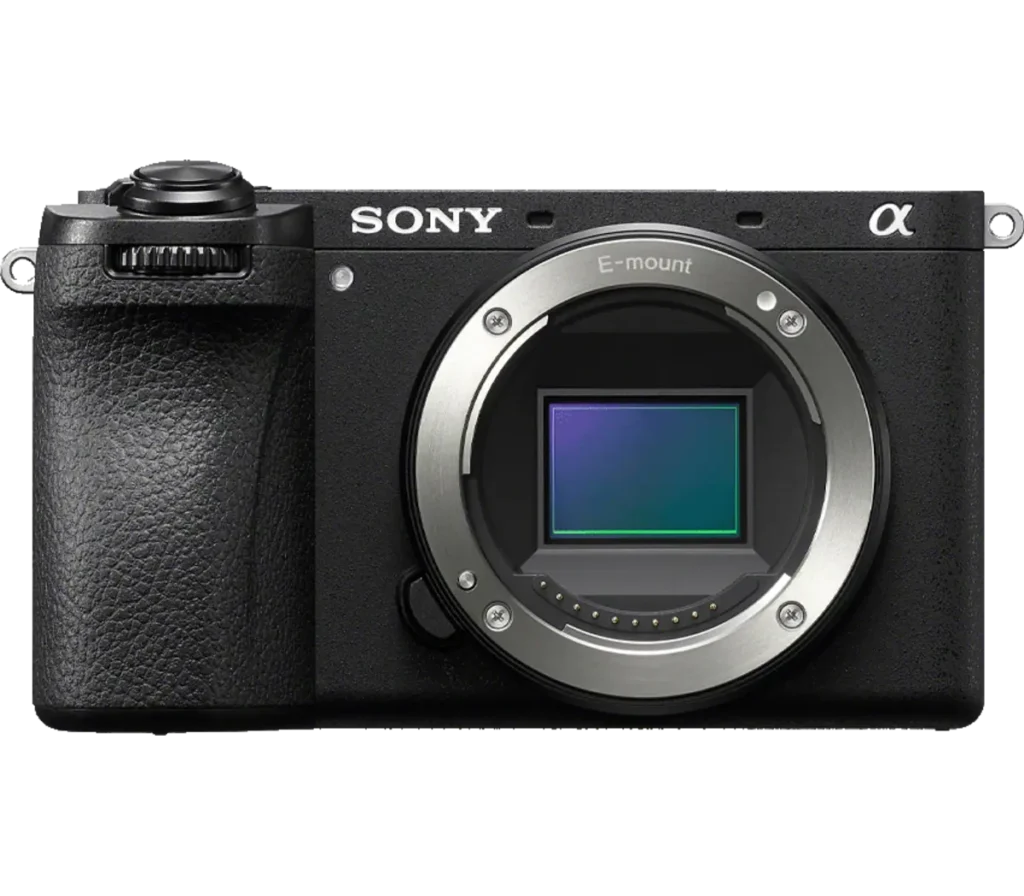
Product photograph from the Shutterbug News archive. Shown as an equipment example, not a new test result.
Equipment guide. This article explains selection and evaluation criteria; it is not a hands-on product review.
A used camera can be a practical purchase when its condition and limitations are understood. An attractive exterior is only the beginning. The most useful inspection follows a repeatable sequence and produces files you can examine, rather than relying entirely on a seller’s description.
Check operation before cosmetics
Inspect the mount, card slot, battery compartment and visible contacts without touching the sensor. Try the buttons, dials, screen and viewfinder. Look for inconsistent responses or components that require excessive pressure. Confirm that the included battery and charger are appropriate for the model.
Take photographs at several settings with a known compatible lens. Review focus, exposure consistency and file writing. A shutter count, where available, is one piece of evidence; it does not describe every aspect of condition or guarantee remaining life.
Examine the resulting files
Check photographs on a larger display if the seller allows it. Distinguish dust or a dirty lens from persistent image defects. Test the functions you actually need, including video, wireless transfer or external connections, rather than assuming they work because basic still photography does.
Avoid changing firmware or attempting repairs during a purchase inspection. Ask for an explanation of any fault and consider whether professional service is available.
Put the transaction in context
Read the return policy, warranty terms and condition grading. Account for missing accessories and likely service costs when comparing prices. If an important test cannot be performed, treat the uncertainty as part of the decision rather than filling the gap with optimism.
Continue exploring
Nikon Z5II review: a practical full-frame upgrade · Nikon D750 with 24-120mm VR Lens Kit