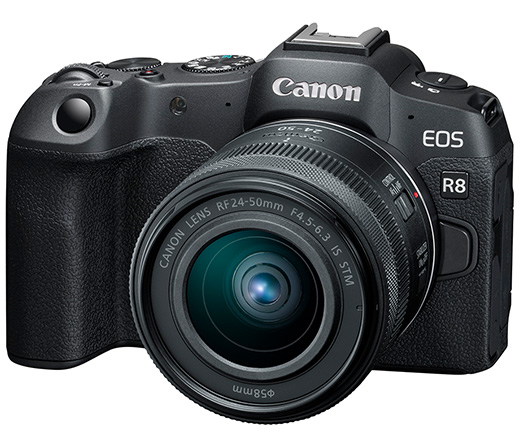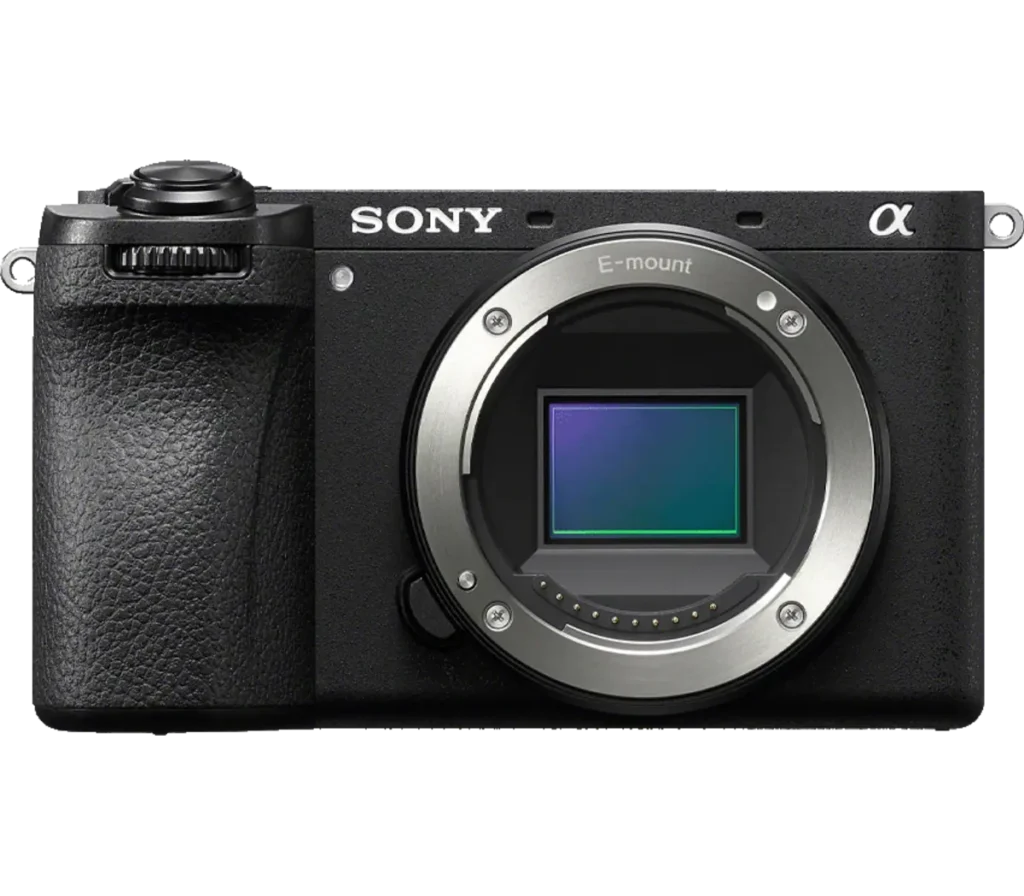
AI-generated editorial illustration from the Shutterbug News archive; not a photograph of a reported event.
Equipment guide. This article explains selection and evaluation criteria; it is not a hands-on product review.
A useful review explains what was tested, under which conditions and where the result matters. A specification list can describe a product accurately without establishing how it performs in use. Reading both well means keeping the evidence separate from the conclusion.
Look for the method
Check whether the reviewer used a production sample, how long it was available and which lenses or accessories were involved. For image comparisons, look for matched conditions and downloadable files where appropriate. A single impressive photograph does not establish consistency across subjects or settings.
Notice limitations that the reviewer states openly. A short first look can still be useful when it does not pretend to answer questions that need longer use.
Separate preference from performance
A control layout that suits one hand may feel awkward to another. Size, weight, color rendering and handling involve personal priorities. Measured behavior can also have different importance: a slow workflow may be acceptable for deliberate landscape work and frustrating during an event.
Translate each finding into a question about your own photographs. Avoid counting positives and negatives as if every point carries equal weight.
Check what has changed
Confirm the model, firmware version and publication date. Later updates or revised accessories can affect an older review’s relevance. Use manufacturer documentation to check current specifications, while remembering that a manufacturer claim is not an independent test. A good buying decision combines evidence with a clear account of what you need the equipment to do.
Continue exploring
Nikon Z 58mm f/0.95 S Noct Review · Nikon Z5II review: a practical full-frame upgrade