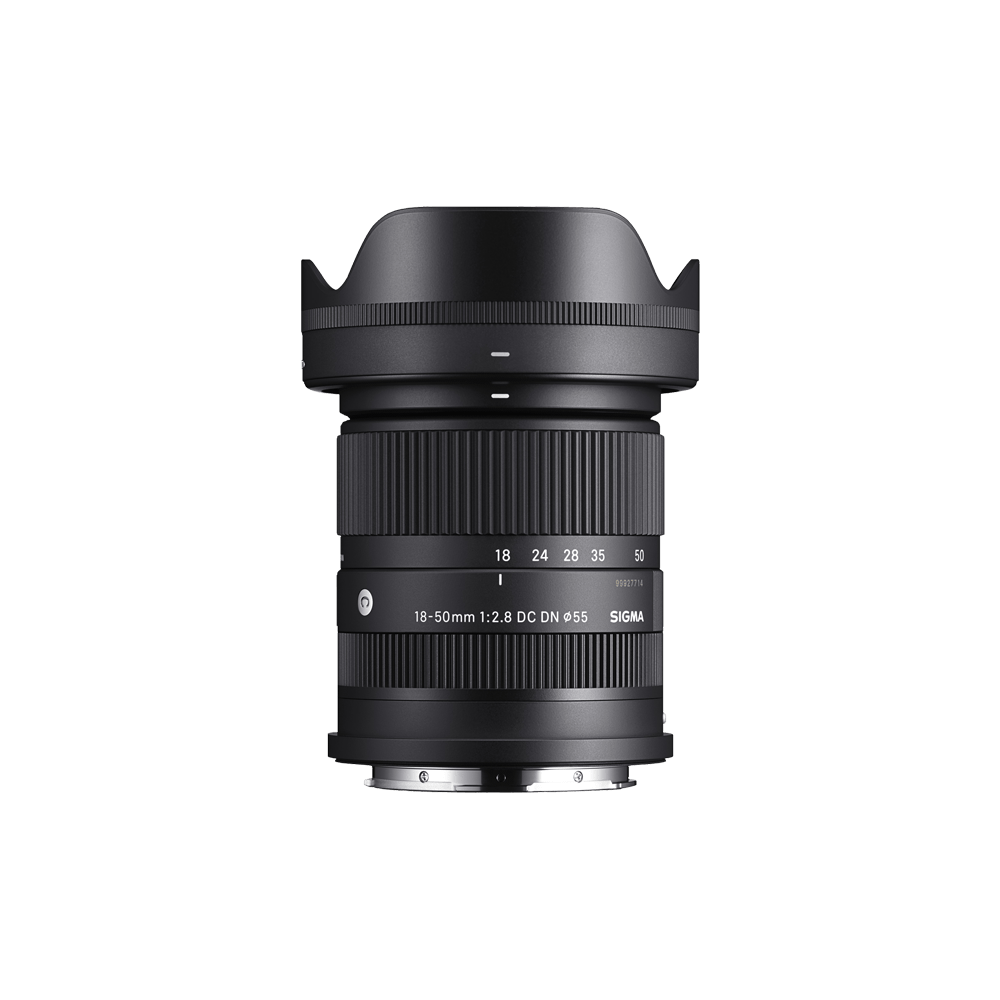
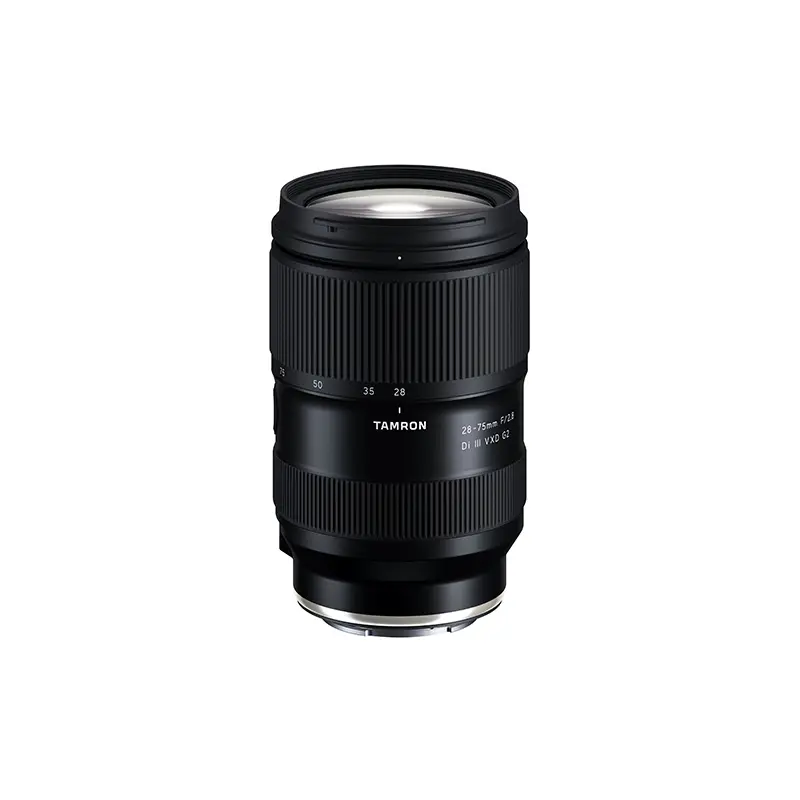
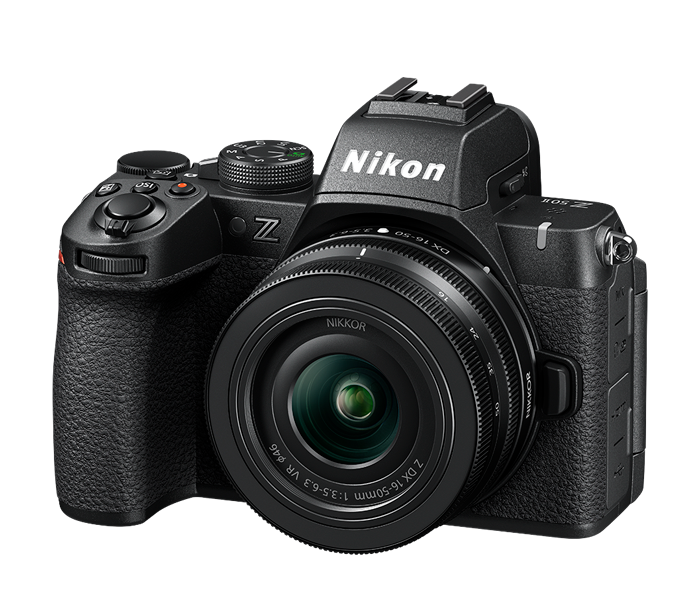
Product photograph from the Shutterbug News archive. Shown as an equipment example, not a new test result.
Equipment guide. This article explains selection and evaluation criteria; it is not a hands-on product review.
Camera handling is difficult to judge from a product photograph. A body that looks ideal may place an important control awkwardly for your hand, especially with a heavier lens. A short, realistic routine can reveal more than simply holding the camera at a counter.
Repeat your normal sequence
Attach an appropriate lens and move through the actions you use most: change exposure, select focus, review a picture and return to shooting. Try the sequence while looking through the viewfinder. Count the moments when you need to lower the camera or shift your grip.
Test both landscape and portrait orientation. If you work with gloves, glasses or an external flash, include those conditions where practical. Small obstacles often become more noticeable during a long session.
Check feedback, not just access
Can you tell which setting changed without opening several screens? Is the focus point easy to see? Does the screen angle help with your usual low or high viewpoints? These questions are more useful than assuming more buttons always mean better operation.
Consider customisation, but do not assume every awkward behavior can be reassigned. Confirm the exact options in the model’s manual.
Decide what you can learn around
Some unfamiliarity disappears with practice; physical discomfort and inaccessible controls may not. Separate those categories in your notes. The best handling test ends with a clear account of which compromises you can accept, not an expectation that every camera will feel perfect immediately.
Continue exploring
Nikon Z5II review: a practical full-frame upgrade · Nikon D750 with 24-120mm VR Lens Kit