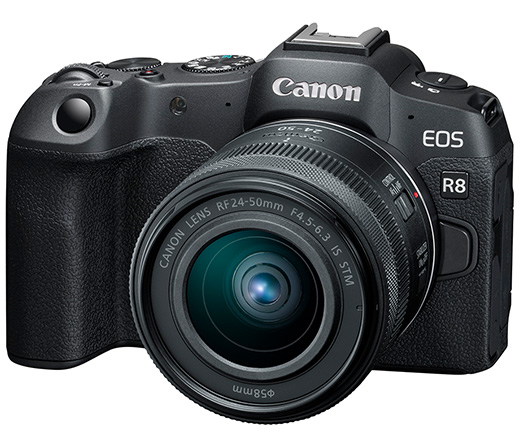
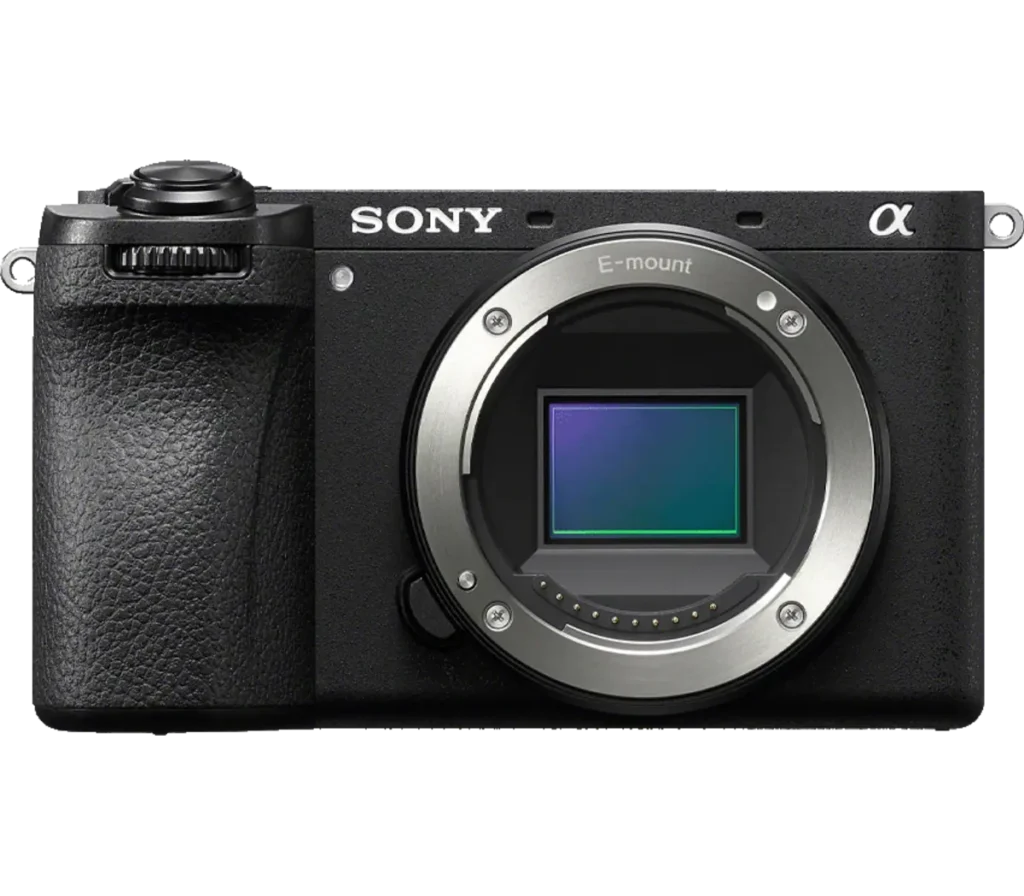
Product photograph from the Shutterbug News archive. Shown as an equipment example, not a new test result.
Equipment guide. This article explains selection and evaluation criteria; it is not a hands-on product review.
A second camera can provide backup, reduce lens changes or add a different capability. Those are distinct purposes. Decide which one matters most before choosing a body, because the most capable alternative is not always the most useful companion.
Define the backup role
If the second camera must take over immediately, familiar controls and compatible lenses become important. Shared batteries, cards and chargers can simplify packing. Confirm compatibility rather than assuming that bodies from the same brand use the same accessories.
Set both cameras up consistently where possible. Match time settings and file organisation so photographs can be combined without unnecessary confusion during the edit.
Consider a complementary body carefully
A smaller camera may encourage casual or travel work; a specialised body may support a different assignment. The benefit is real only if you are comfortable switching between them. Different menus and autofocus behavior require practice.
Test the second camera on an ordinary session before relying on it as a backup. Make sure its files fit your editing and delivery process.
Keep the spare ready
Check charge, cards and settings before every important job. A backup left in an unfamiliar mode is a delayed replacement. Store a short setup checklist with the kit and review it after firmware changes. The purpose of a second body is dependable continuity or a clear new capability, not simply another item to carry.
Continue exploring
Fujifilm X-Pro2 · New Equipment, a Bucket List Trip, and Getting the Shot