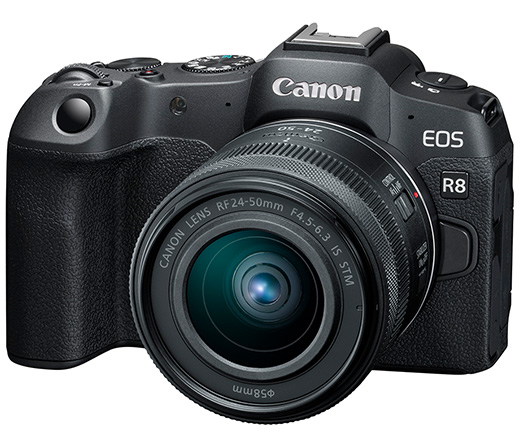
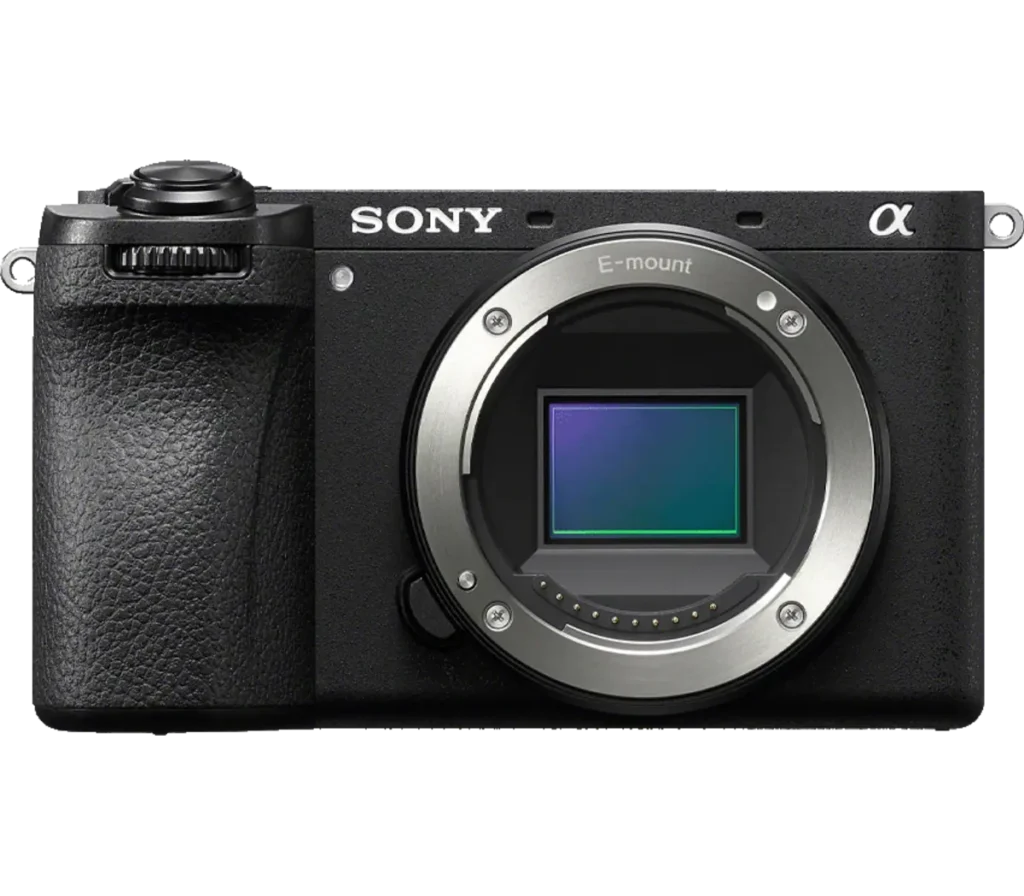
Product photograph from the Shutterbug News archive. Shown as an equipment example, not a new test result.
Equipment guide. This article explains selection and evaluation criteria; it is not a hands-on product review.
A longer telephoto lens can make a distant subject larger in the frame, but reach is only one part of the experience. Holding the lens steady, finding the subject and following movement can become more difficult as the view narrows. Evaluate the whole shooting routine.
Try acquiring the subject
Practice lifting the camera and placing a small, distant subject in the viewfinder. Then follow movement across a representative background. Notice whether the combination is balanced and whether the controls remain accessible when the lens is supported.
Check minimum focusing distance for the subjects you photograph. A lens chosen for distant birds may be less convenient for close details encountered along the same walk.
Plan the support
Consider a monopod, tripod or other suitable support for longer sessions. Make sure the head, plate and lens foot work together securely. The support should help you move deliberately, not introduce a complicated adjustment every time the subject changes position.
Test stabilisation and shutter choices according to the lens and camera guidance. Do not assume one setting is ideal for every supported or handheld situation.
Preserve space for the subject
Extra reach should not become a reason to crowd wildlife or ignore access boundaries. A wider environmental photograph may tell a stronger story than an increasingly tight crop. Select the lens that balances the distance you must keep with the handling you can sustain comfortably.
Continue exploring
Nikon Introduces Two New Lenses, Including NIKKOR Z 180-600mm · 5 Tips for Photographing Hummingbirds