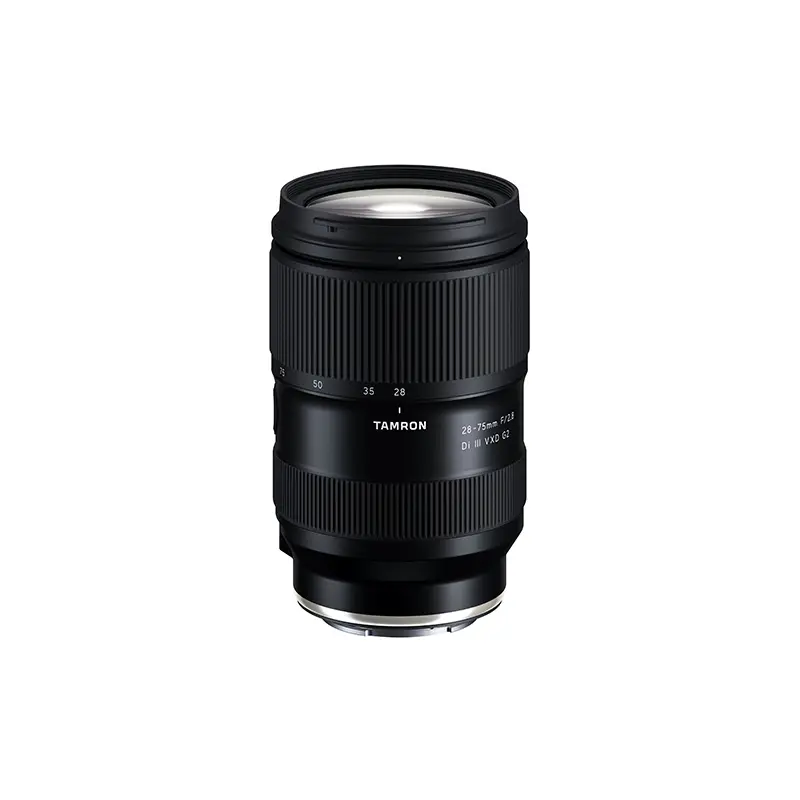
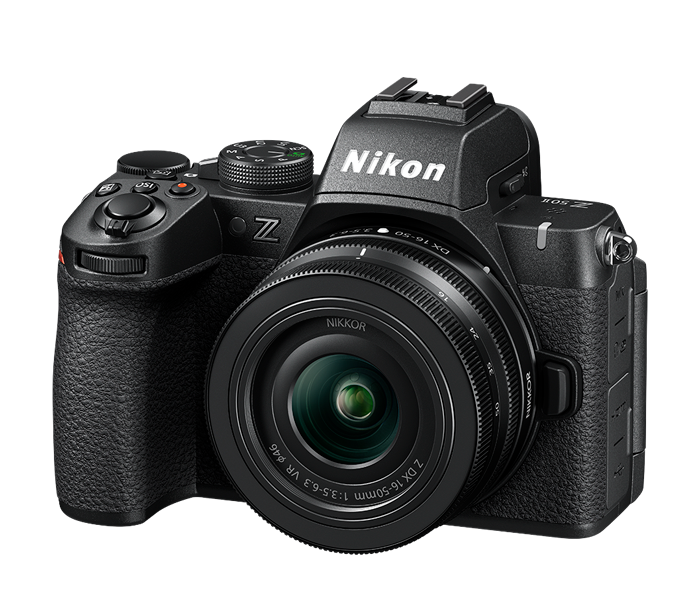
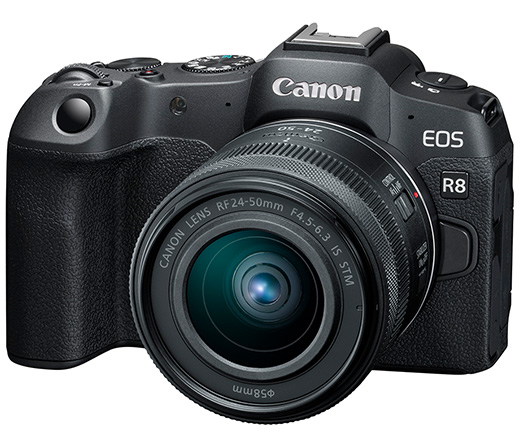
Product photograph from the Shutterbug News archive. Shown as an equipment example, not a new test result.
Equipment guide. This article explains selection and evaluation criteria; it is not a hands-on product review.
A travel tripod spends time both in a bag and under a camera. A compact folded size is helpful, but it should not overshadow the height and stability you need while photographing. Compare the tripod in its working configuration with the head and camera attached.
Start at eye level
Set the tripod to a comfortable shooting height without assuming the centre column must always be fully raised. Check whether you can use the viewfinder and controls without a strained posture. Then try a lower composition to see how easily the legs and column adjust.
Carry the packed tripod in the way you intend to travel. A convenient specification can become less useful when the tripod catches on the bag or requires constant repositioning.
Check the setup routine
Open and lock every leg section. Notice whether the controls are easy to use with cold hands or gloves. Make sure the feet suit the surfaces you expect and that replacement parts or service information are available.
Use the manufacturer’s load guidance, but do not treat a single capacity number as a complete measure of resistance to vibration.
Test a realistic photograph
Attach the lens you are likely to use and compare repeated exposures under ordinary conditions. Inspect the result rather than assuming the tripod has removed all movement. The right travel support balances manageable weight with a setup you can use reliably when the light is changing.
Continue exploring
Benro announces new, ultra-portable travel tripod · Top 10 Photography Tour Companies to Know in 2026