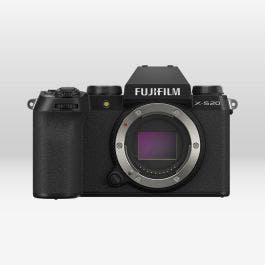
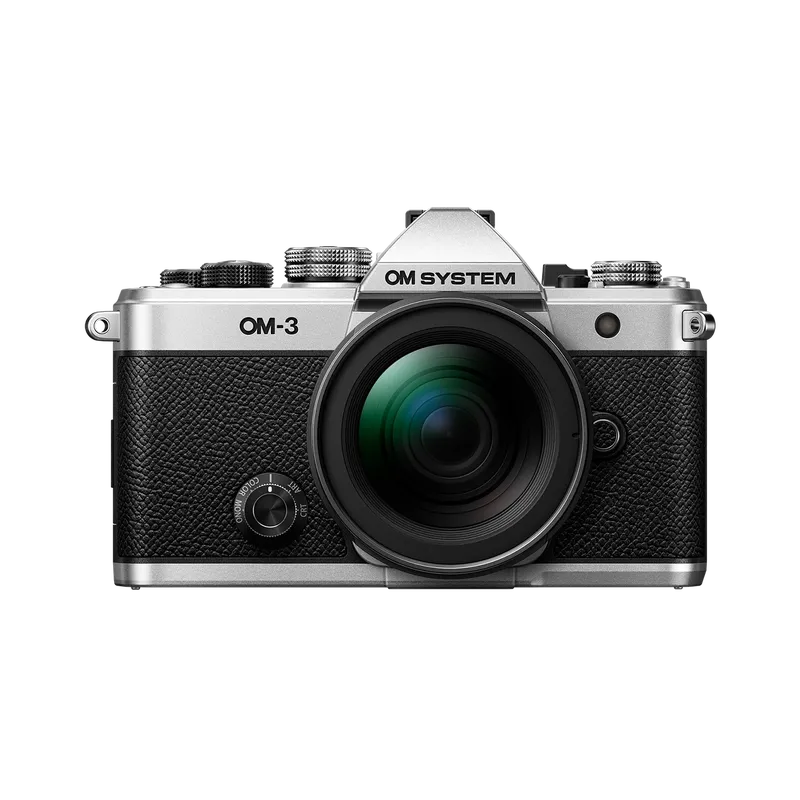
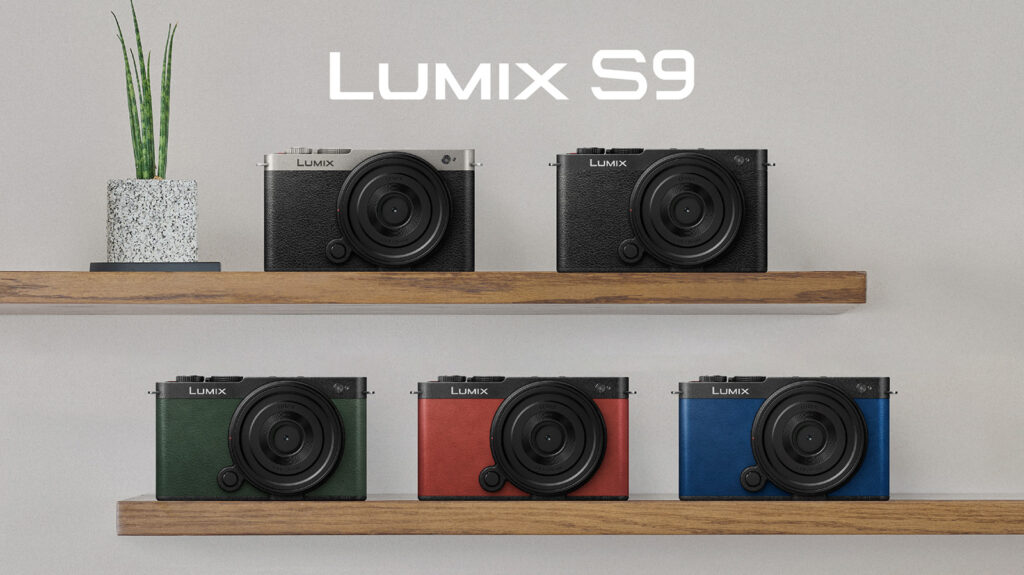
Product photograph from the Shutterbug News archive. Shown as an equipment example, not a new test result.
Equipment guide. This article explains selection and evaluation criteria; it is not a hands-on product review.
A tripod head determines how the camera moves after the legs are in place. A ball head allows several directions of movement through a compact mechanism. A three-way head separates adjustments, which can make deliberate alignment easier. The practical question is which movement fits your photographs.
Identify the adjustment you repeat
For rapidly changing compositions, a ball head can be convenient. For architecture, interiors or carefully aligned still life, separate axes may help you make one correction without disturbing another. Neither design removes the need to check the final frame after locking.
Try portrait orientation and a tilted camera as well as a level setup. Note whether controls collide with the camera, plate or surrounding equipment.
Check the complete connection
The quick-release plate must fit the camera and the receiving clamp securely. Similar-looking systems are not always interchangeable. Confirm compatibility and the correct locking procedure rather than assuming a plate is secure because it appears to sit flat.
Watch for movement after tightening with your intended lens attached. A head that feels smooth unloaded may behave differently under a front-heavy combination.
Choose deliberate compromises
Speed, size, control and weight all compete. Try the head through a complete setup, adjustment and pack-down cycle. The useful head is the one that lets you place the frame accurately and hold it there, without making ordinary changes unnecessarily frustrating.
Continue exploring
Benro announces new, ultra-portable travel tripod · 10 Tips for Real Estate Photography