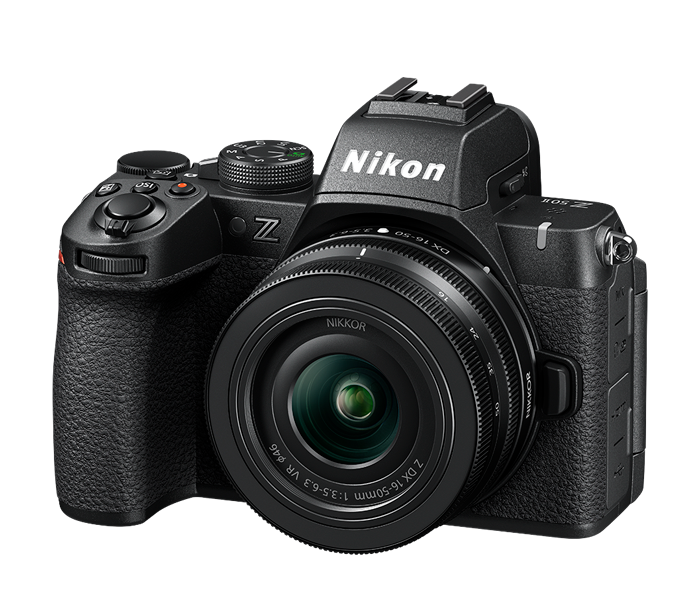
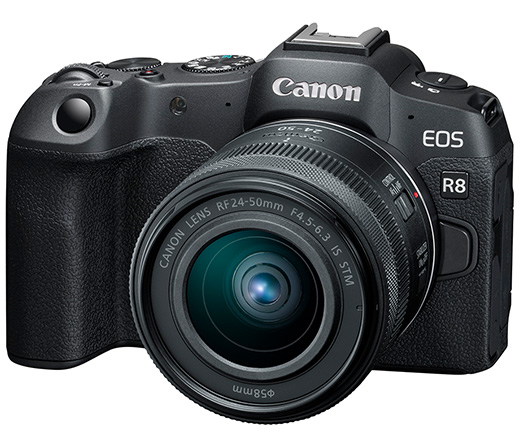
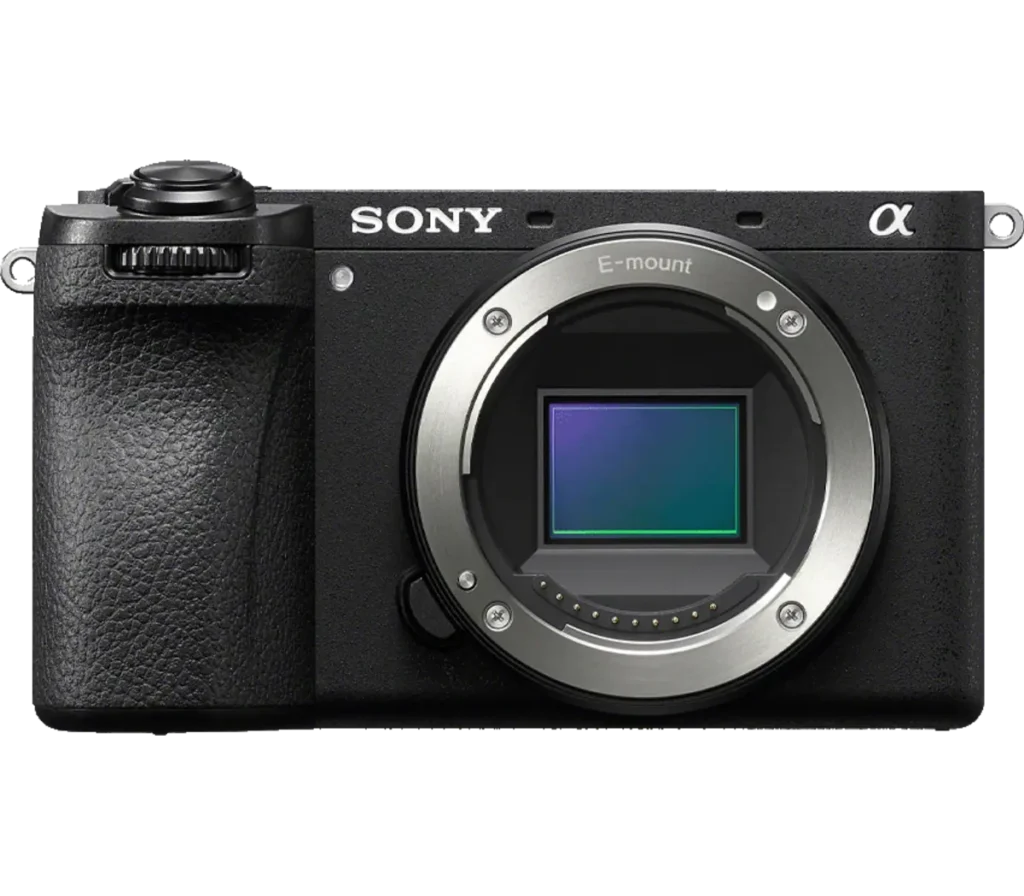
Product photograph from the Shutterbug News archive. Shown as an equipment example, not a new test result.
Equipment guide. This article explains selection and evaluation criteria; it is not a hands-on product review.
An everyday camera bag succeeds when carrying it feels routine. If it is packed for every possible situation, it may stay at home on the days when photography could happen naturally. Build the kit around the subjects you most often encounter and the time you usually have.
Choose one main combination
Start with a camera and lens that cover your normal view of the world. Add another lens only when it changes what you can photograph in a meaningful way. Keep the distinction between a useful alternative and an item carried mainly to avoid choosing.
Make sure the camera can be retrieved without opening several compartments or moving unrelated belongings.
Keep essentials predictable
Include a charged spare battery if needed, a protected card, a lens cloth and any personal items essential to the day. Give each a consistent place. Protect batteries and contacts according to the maker’s guidance rather than leaving them loose with keys or coins.
Leave a little free space so the bag remains easy to close and use. Maximum packing density is not the goal.
Review actual use
After a week, note which items helped and which never left the bag. Keep sensible contingency items, but question repeated duplication. A small daily kit can support a more attentive photographic habit because it lowers the effort needed to begin, while leaving enough flexibility for an unexpected subject.
Continue exploring
Peak Design Everyday Messenger Photo Bag 13 · Finding Your Visual Signature: Building a Photography Portfolio People Remember