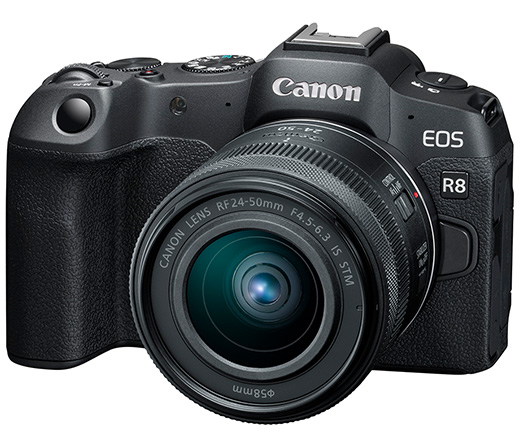
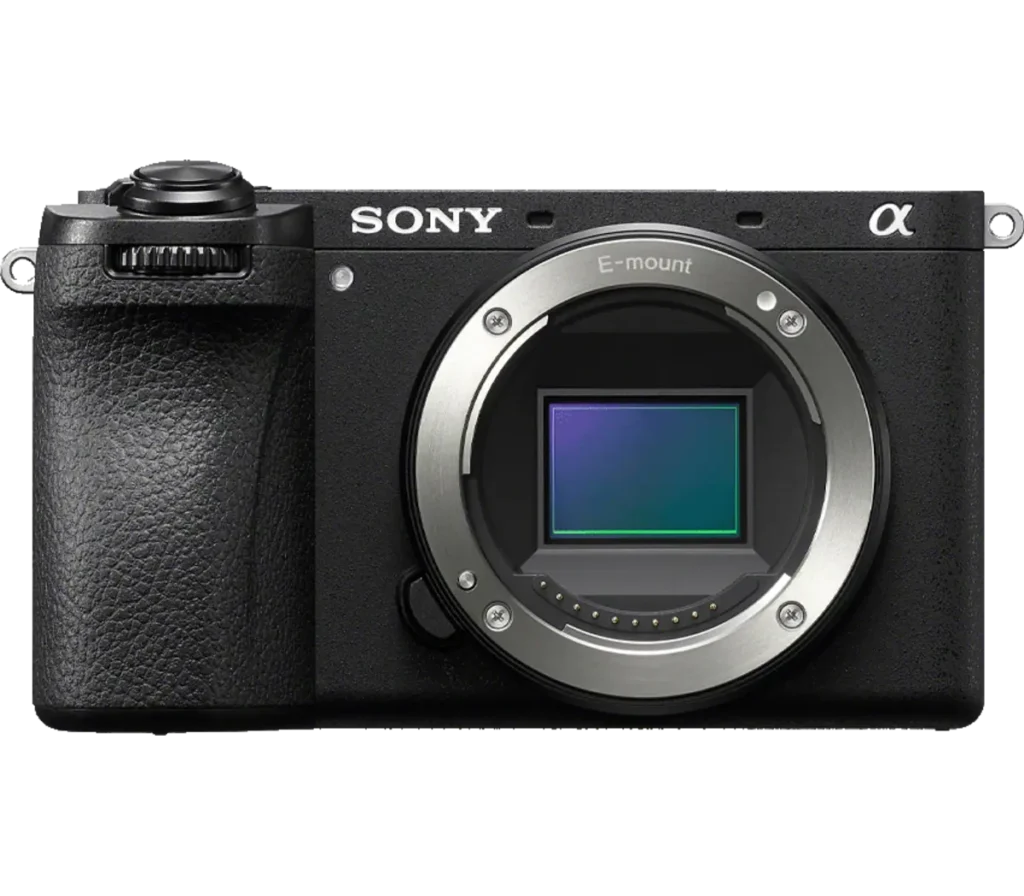
Product photograph from the Shutterbug News archive. Shown as an equipment example, not a new test result.
Equipment guide. This article explains selection and evaluation criteria; it is not a hands-on product review.
A field maintenance kit should help with ordinary handling without encouraging risky repairs. Keep it small, clean and organised. The goal is to remove simple obstacles and protect equipment until it can receive appropriate attention, not to rebuild the camera beside a trail.
Pack for familiar tasks
Include suitable lens-cleaning materials recommended by the equipment maker, spare caps and any approved tool required by your support system. Store cloths where they cannot collect sand or grit. Keep liquids securely contained and away from batteries or loose electronic accessories.
Use cleaning products only as directed. An aggressive wipe can turn a minor mark into a more serious problem if particles are trapped against the surface.
Know when to stop
If equipment is wet, damaged or behaving unusually, follow the manufacturer’s instructions and seek appropriate service. Do not force a stuck mechanism or improvise a repair around delicate contacts and moving parts.
Sensor cleaning and internal maintenance require their own procedures and tools. They should not be treated as casual extensions of wiping a lens exterior.
Replenish after use
Check the kit when you unpack, replace contaminated materials and return small items to their holders. A useful maintenance kit remains ready because it is simple enough to inspect. It should support careful handling and an orderly response when something goes wrong.
Continue exploring
Tenba Shootout 32L Camera Bag · New Equipment, a Bucket List Trip, and Getting the Shot