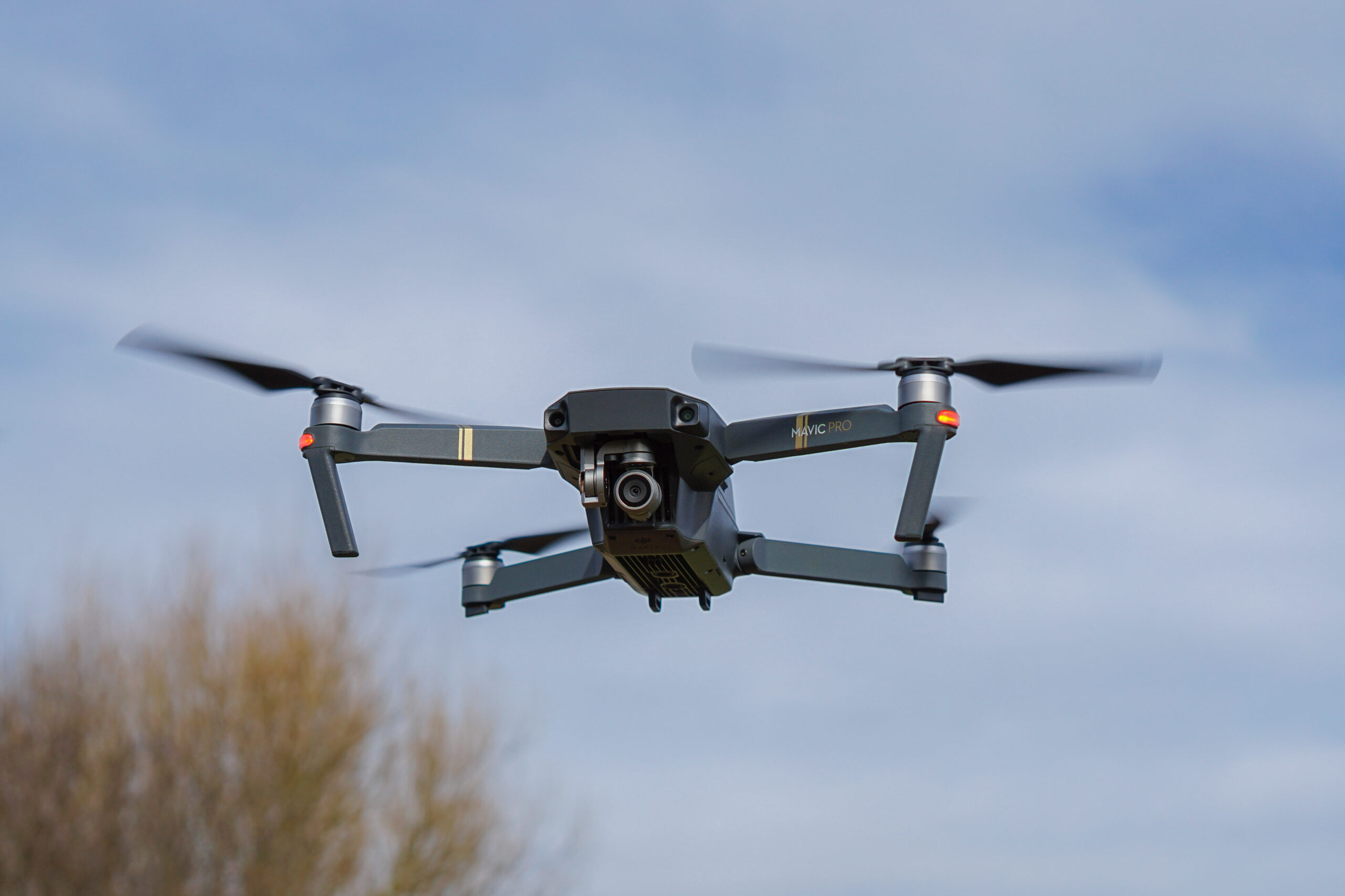
Photo: Sinky, DJI Mavic Pro, CC BY-SA 4.0. Resized; card thumbnails may be cropped. Archive equipment illustration.
Equipment guide. This article explains selection and evaluation criteria; it is not a hands-on product review.
A drone that is easy to pack is not automatically easy to use at a destination. Aviation rules, location restrictions, transport requirements and practical conditions all affect whether aerial photography belongs in the trip. Research them before building an itinerary around a planned flight.
Check the right authorities
Use the destination’s aviation authority for current operating requirements and airspace information. Check separately with the landowner or site manager about takeoff, landing and access. A location may involve more than one set of rules.
Confirm battery and baggage requirements directly with the transport provider. Do not rely on an old packing article or assume the arrangements are identical across airlines and countries.
Plan for a ground-based alternative
Choose worthwhile photographs that can be made without flying. Weather, restrictions or conditions on arrival may make the aerial plan unsuitable. A flexible project remains productive when the drone stays packed.
Carry the documentation and equipment required by the applicable rules, and verify that your camera and editing workflow are ready before departure.
Keep expectations realistic
Allow time for responsible preparation rather than treating a flight as an extra five-minute stop. Respect people, wildlife and the character of the place. The useful travel question is not simply whether the drone fits in the bag, but whether it can be operated appropriately within the trip you have actually planned.
Continue exploring
Top 10 Photography Tour Companies to Know in 2026 · New Equipment, a Bucket List Trip, and Getting the Shot
Source and further reading: FAA drone information. Checked October 8, 2026.