The Natural History Museum’s Wildlife Photographer of the Year competition closes December 3, 2026, at 11:30 GMT. With the deadline approaching, photographers should reserve time for captions, eligibility checks and file preparation alongside the creative edit.
The museum’s official competition page lists first-round results for January 22, 2027, and the final decision for March 12. It also provides category descriptions, rules and entry information.
Find the story inside the wildlife encounter
A subject’s rarity is only one part of a photograph. Study what the frame communicates without an explanation: a relationship, a setting, an unexpected gesture or a moment of tension. Then check whether the caption supplies factual context rather than trying to persuade the viewer that an ordinary frame is exceptional.
For a group of images, look for progression. A wide view can establish the place; a closer frame can reveal a relationship; a detail can give a sequence its quieter conclusion. Each should contribute something the others cannot supply.
Keep the field record close
The museum emphasises respectful treatment of wildlife and truthful representations of nature. Review the current rules against the photograph’s actual circumstances and editing history. Preserve original files and write down the information needed to describe where, when and how an image was made. If a detail cannot be established, investigate it before submission.
A clean record is useful well beyond a competition. It protects the accuracy of future captions, exhibition labels and licensing discussions, especially when an image returns to the portfolio years later.
Finish the upload deliberately
Check the current category limits, required file specifications and timezone directly with the organiser. Preview the final exports at their intended size, then inspect the submission confirmation and retain it with the entry package. Leave room to correct an avoidable upload problem before the final morning.
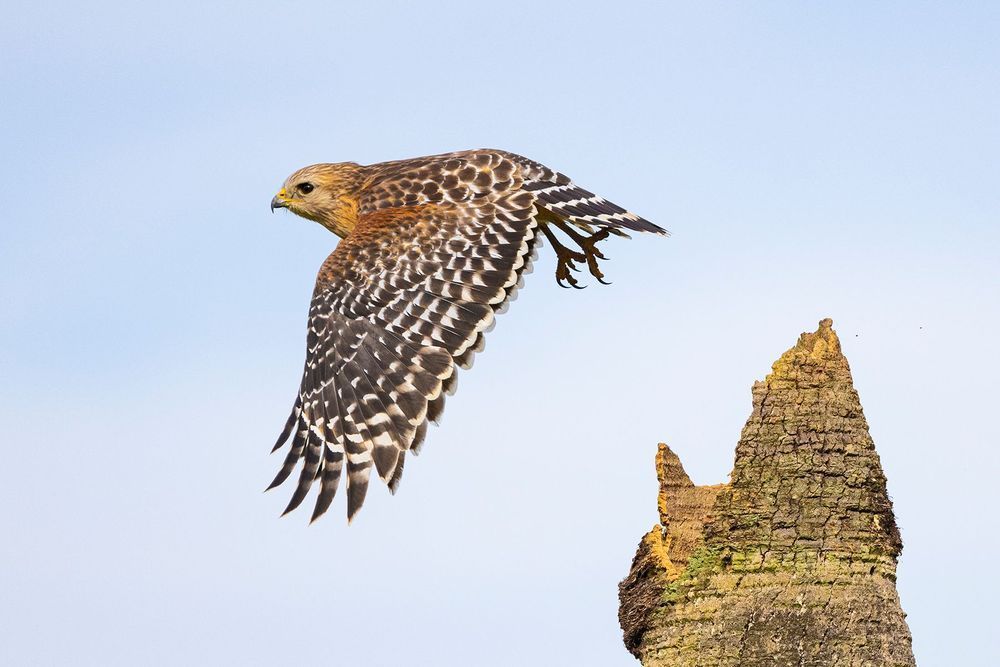
The featured photograph is The Moment of Release by Neal Nachman, showing a red-shouldered hawk leaving its perch.
Keep exploring
The Ethics of Wildlife Photography: Distance, Baiting and Honest Images