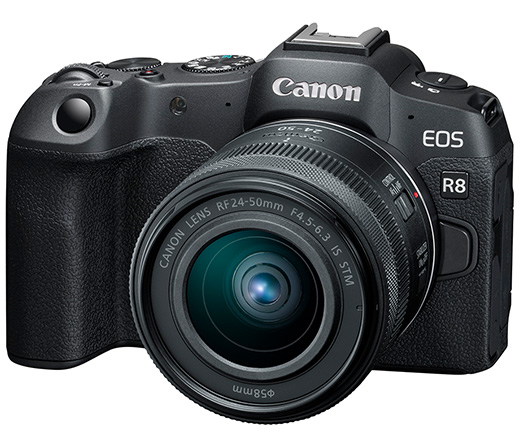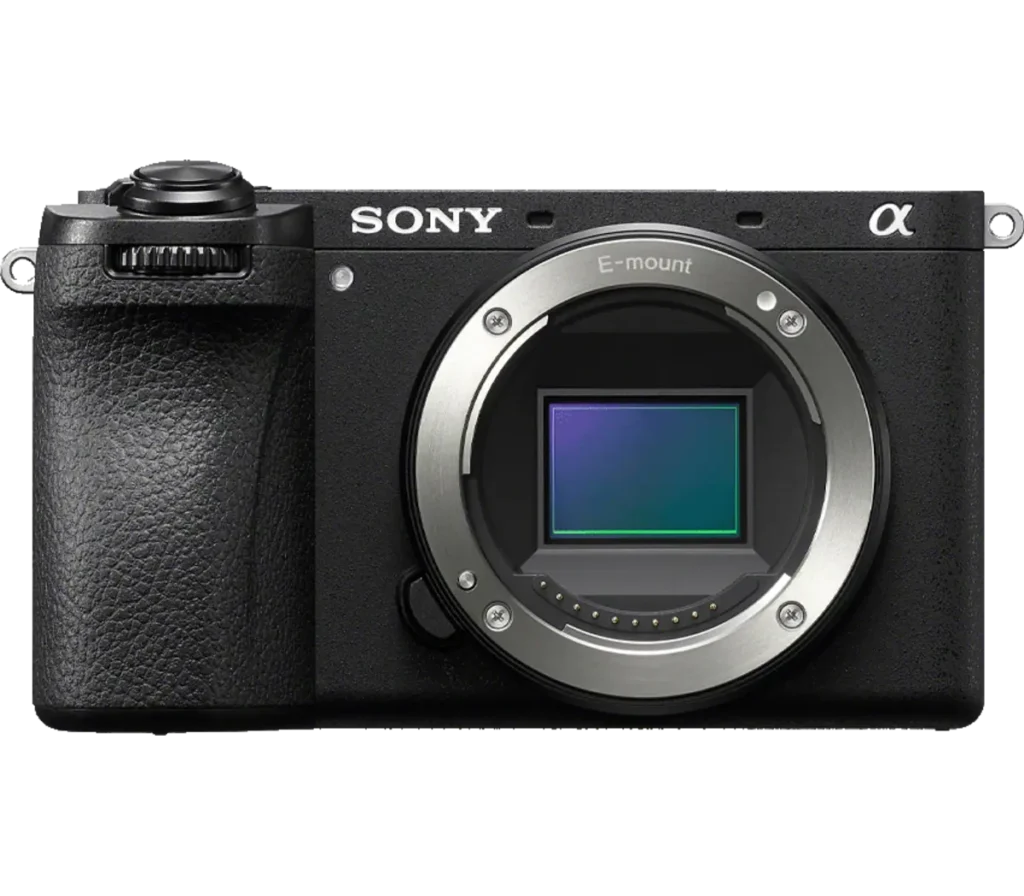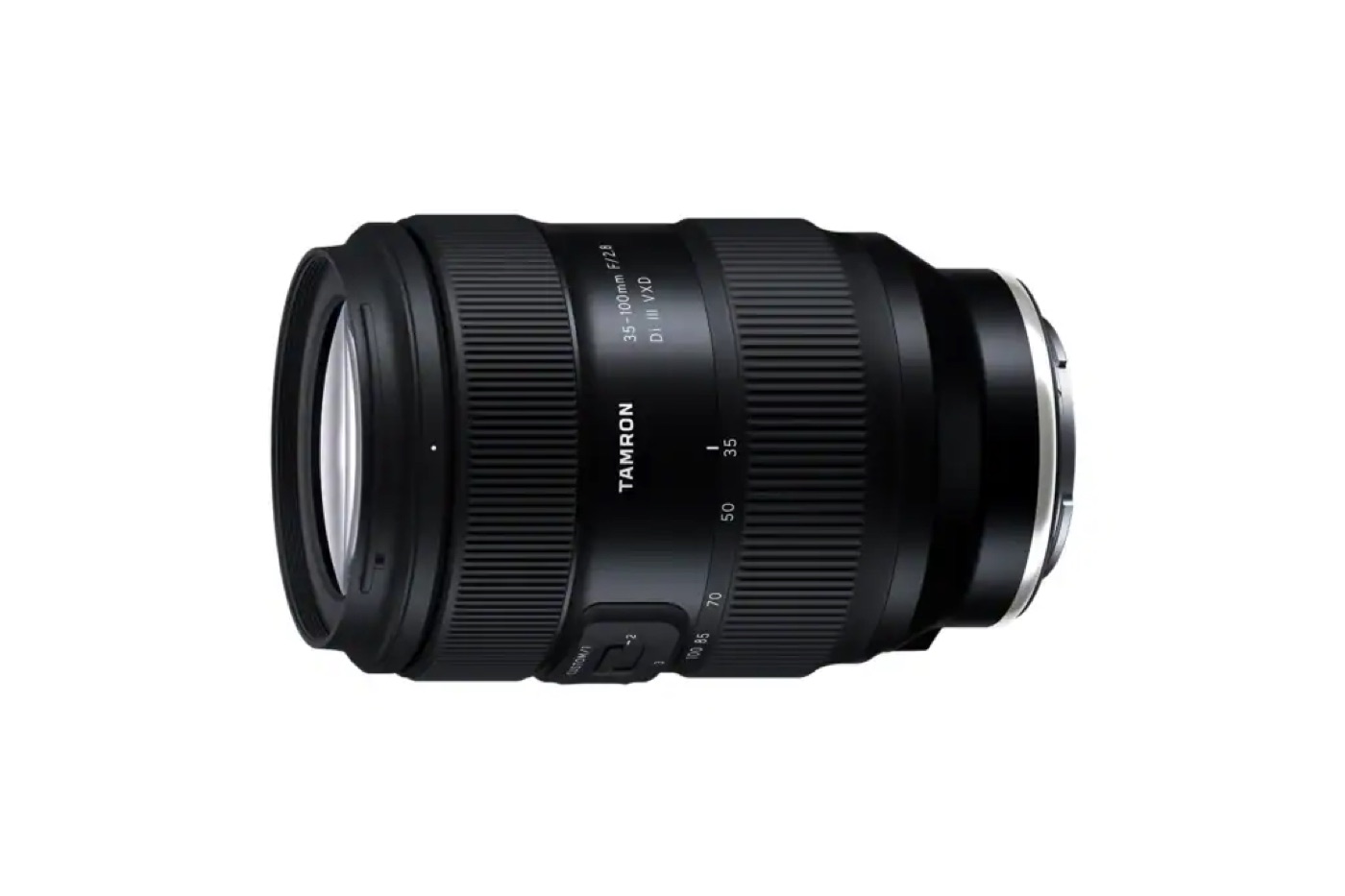
Product photograph from the Shutterbug News archive. Shown as an equipment example, not a new test result.
Equipment guide. This article explains selection and evaluation criteria; it is not a hands-on product review.
Portrait focal length is partly a question of where you can stand. A lens that works comfortably in a large studio may be frustrating in a small room. Begin with the available space and the type of portrait, then choose the angle of view that supports it.
Decide how much environment belongs
A wider view can include a person’s surroundings and give context. A tighter view can simplify a busy background. Neither is automatically more flattering or more expressive; camera position, framing and the person’s relationship to the setting all matter.
Avoid using a very close camera position simply because the lens lets you fit a face into the frame. Move to a comfortable distance first and then choose the framing you need.
Test with the room you have
Use a zoom or borrowed lens to compare several framings from realistic positions. Include full-length, seated and close portraits if you expect to make all three. Check whether furniture, walls or lighting equipment limit your movement.
Evaluate the background as carefully as the face. Small changes in camera height or lateral position may improve the picture more than a different lens.
Choose flexibility deliberately
A prime lens may suit a repeatable setup; a zoom may help when positions change quickly. Consider size, focusing behavior and the apertures you actually use. The useful portrait lens is the one that lets you work at an appropriate distance while keeping the subject comfortable and the composition intentional.
Continue exploring
Tamron 35–100mm F2.8 review: a compact portrait option · The Double Profile