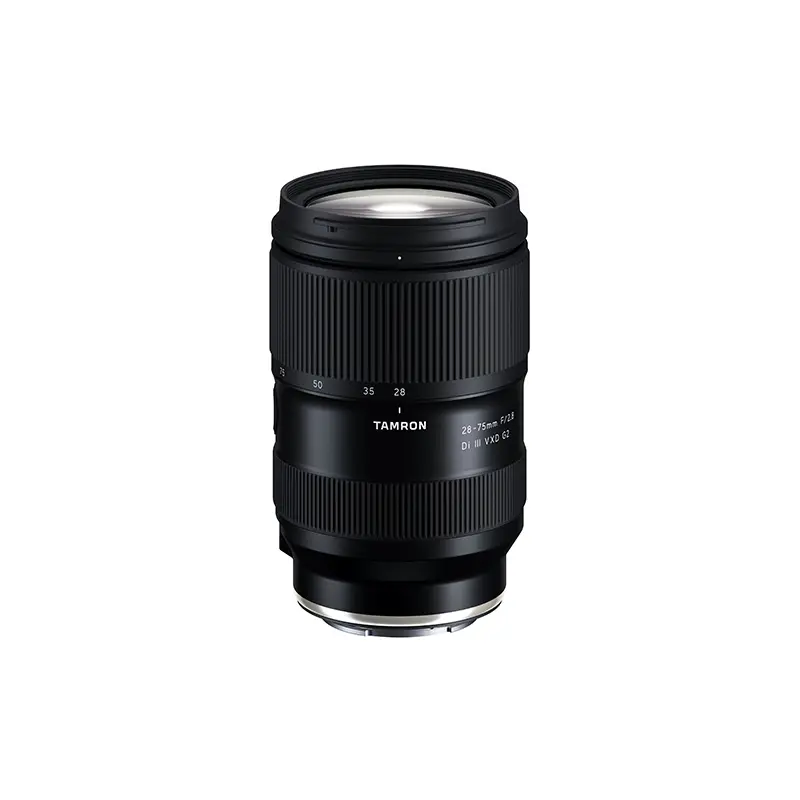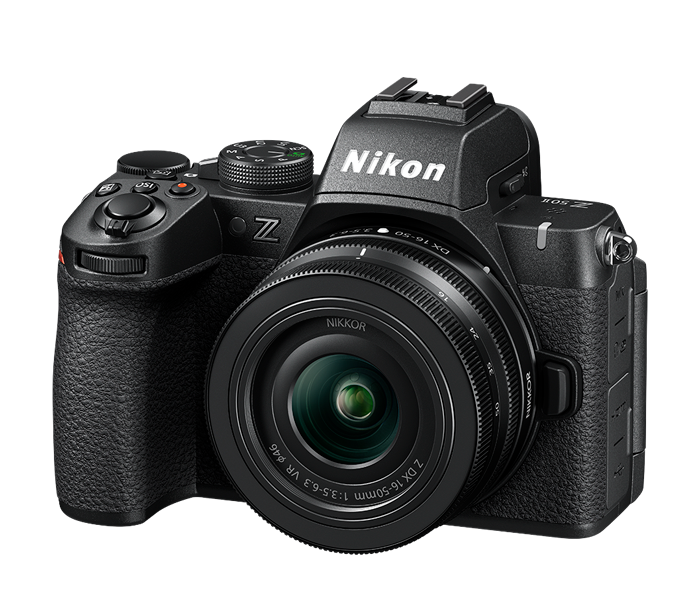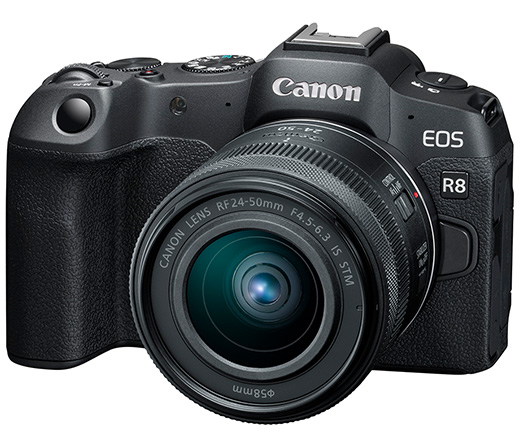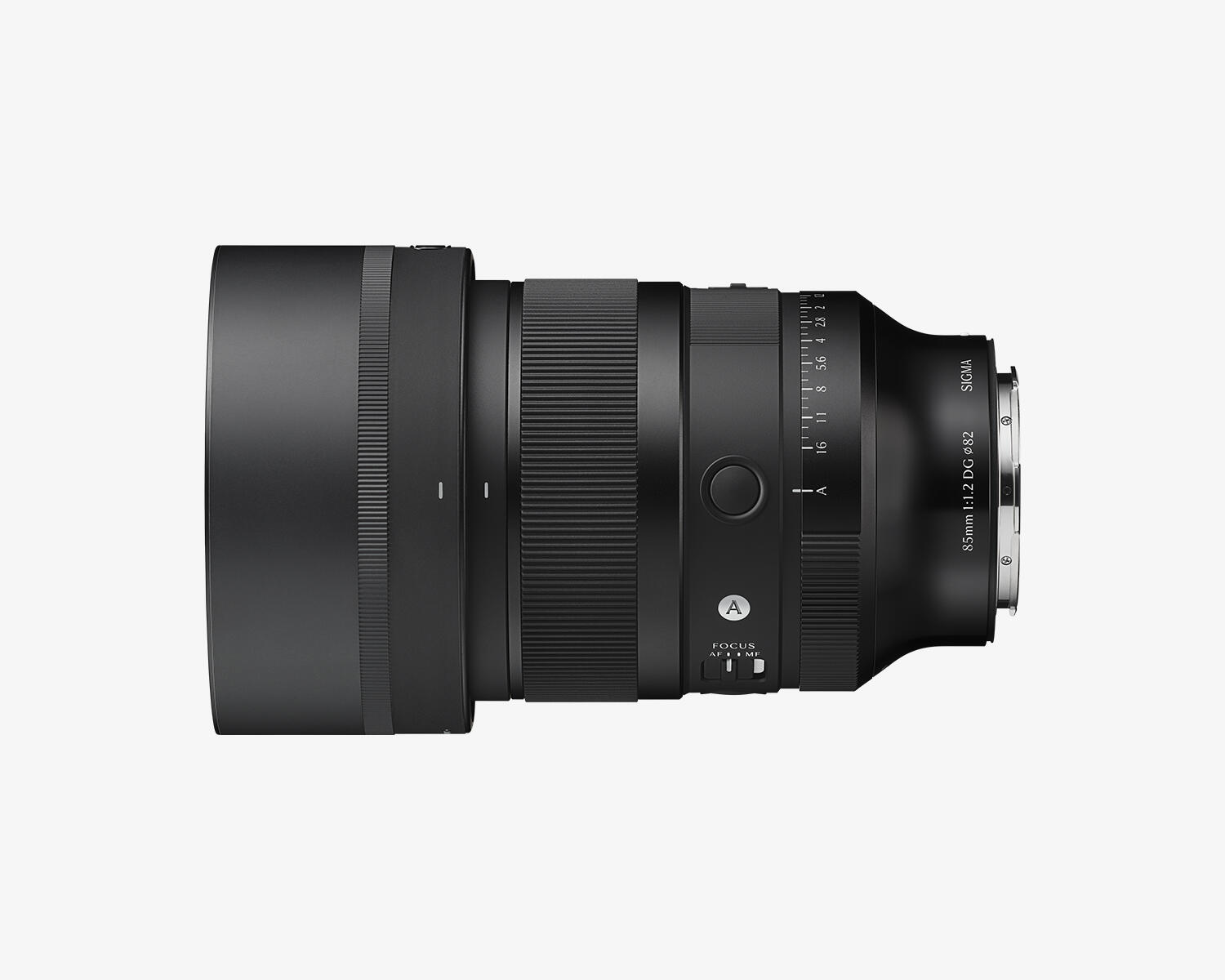
Product photograph from the Shutterbug News archive. Shown as an equipment example, not a new test result.
Equipment guide. This article explains selection and evaluation criteria; it is not a hands-on product review.
A wide maximum aperture can be useful in low light or when a shallow zone of sharpness suits the photograph. It can also mean a larger, heavier lens and more demanding focus placement. Decide how often that capability changes the result before making it the centre of a purchase.
Look at the apertures you use
Review a selection of your own files. If most work needs several people or substantial depth in focus, you may rarely use the widest setting. A less extreme lens could provide a more comfortable working kit without giving up the apertures central to those photographs.
For dim scenes, also consider subject movement. Stabilisation and careful support address camera movement; they do not necessarily freeze a moving person.
Test focus where it matters
At close distances and wide apertures, a small shift can change which detail appears sharp. Try realistic subjects rather than only flat targets. Check the eyes, near and far edges, and whether the intended depth of field survives normal movement.
Avoid judging a lens solely by background blur. Examine contrast, transitions and the way the image supports your subject.
Balance capability with use
Carry the proposed combination for a meaningful period if possible. The lens that is left behind because of its size provides no advantage in the field. Choose the extra aperture when it solves a recurring problem, and choose portability when that is what helps you photograph consistently.
Continue exploring
Sigma 85mm F1.2 DG Art: Post-launch Availability Update · Sigma 85mm F1.4 DG HSM Art