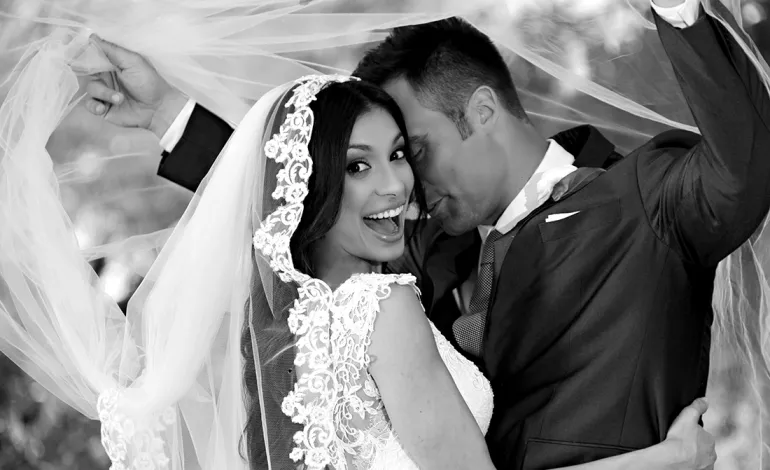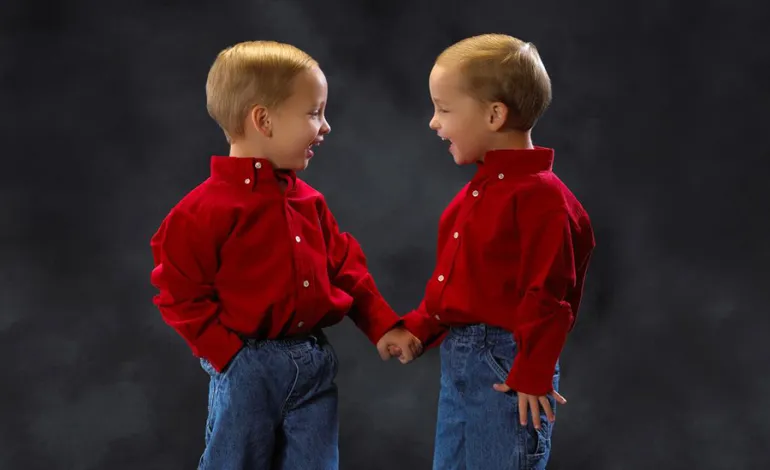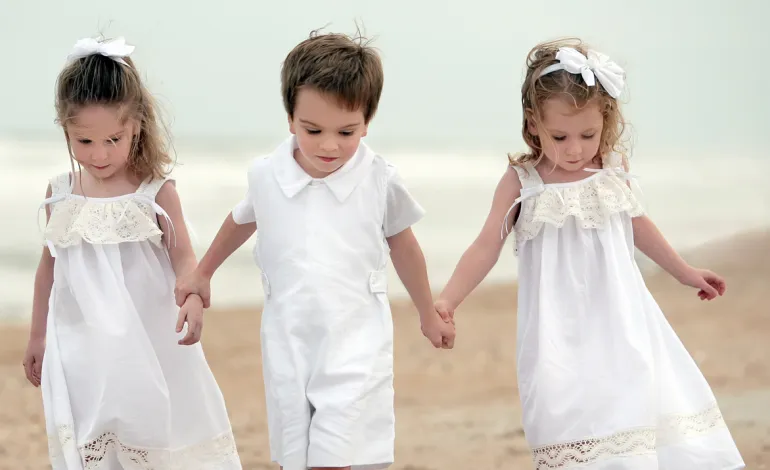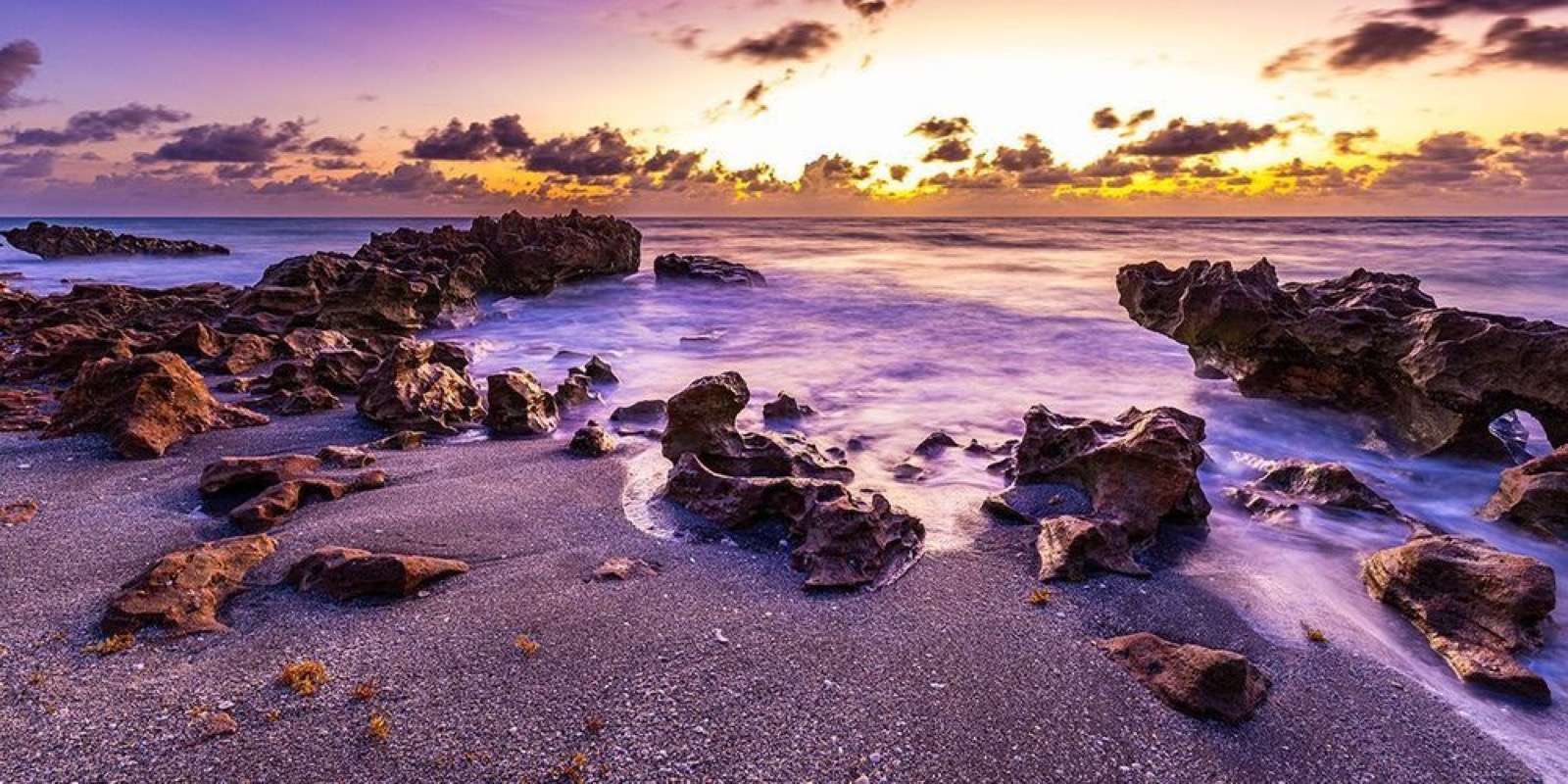
Photograph: Neal Nachman / Artistic Creationz. Used as an illustrative image.
A shot list is most helpful when it records the information a story needs. It becomes restrictive when it tries to predict every expression or composition. Build a small framework that protects the essentials while leaving space for observation.
List functions rather than poses
Begin with an establishing view, a main subject, a working detail, a relationship and an ending. Adapt these functions to the assignment. A landscape project might use weather and scale; a portrait story might need environment and gesture.
Write why each frame is needed. If two entries serve the same purpose, consider whether both are necessary. This keeps the list from expanding into a collection of interchangeable pictures.
Add practical dependencies
Mark photographs that require a particular person, access window or type of light. Arrange the session around those constraints. Prepare alternatives for the frames most vulnerable to weather or scheduling changes.
Share the relevant plan with anyone taking part. Explain what is essential and what can change, and allow enough time for people to settle rather than rushing from one instruction to the next.
Review while there is still time
Pause during the shoot to check which story functions are covered. Look for missing context rather than chasing a numerical target. Once the essentials are secure, use the remaining time to follow the unexpected. The list has done its job when it frees attention for the photograph you could not have planned.
Continue exploring
From Single Images to Powerful Stories: Creating a Compelling Photo Essay · How to Edit a Photography Series: From 1,000 Frames to 12 Keepers