Photograph: Susan Michal / Shutterbug News archive.
Children often respond better to a clear activity than to a precise pose. Plan a short, age-appropriate task with the parent or guardian and give the child room to participate without treating every movement as something to correct.
Prepare the frame first
Choose a safe area with an uncluttered background and suitable light. Check your framing and exposure before inviting the child into the activity. That preparation lets you pay attention to expression rather than repeatedly stopping the session to adjust equipment.
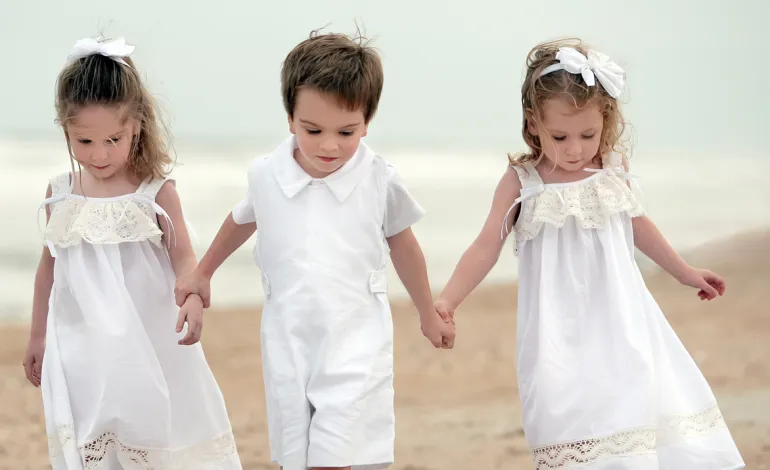
A simple task might be looking at a favorite object, walking a few steps with a sibling or sitting comfortably beside a parent. Avoid using precarious furniture or asking for movement that feels unsafe. Keep directions short and allow breaks when attention or energy changes.
Photograph the transitions
Watch the moments before and after the requested action. A child may turn naturally toward a familiar voice or relax after completing the task. Keep the camera ready while remaining responsive to discomfort or a wish to stop.
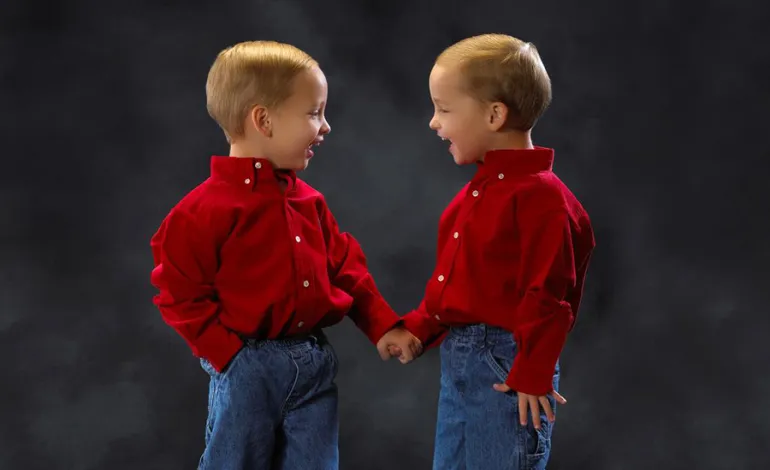
For a group, begin with an arrangement that allows everyone to balance comfortably. Do not force matching expressions at the expense of a calm session. Review the photographs for connection and character as well as neatness. A successful children’s portrait can include movement and individuality while still showing that the photographer prepared the setting and guided the experience with care.