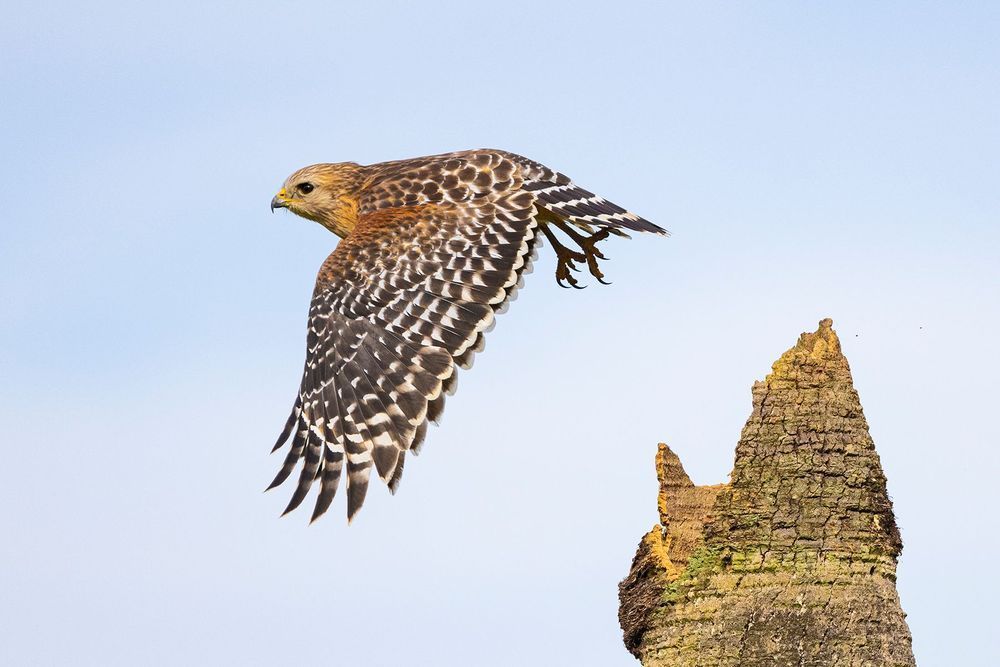
Photograph: Neal Nachman / Artistic Creationz. Used as an illustrative image.
Panning follows a moving subject during the exposure so the background can show motion while part of the subject remains comparatively clear. It rewards a smooth movement more than frantic reactions. Begin with a willing person walking or cycling slowly in a safe, open area.
Give yourself a repeatable path
Choose a position well away from traffic and other hazards. Ask the subject to move across your view along the same route. Select an uncluttered background and frame loosely enough to allow for small variations in your movement.
Start following before releasing the shutter and continue afterward. Make a short group of photographs, review them and change only one variable at a time. Gradually try longer exposures when the movement feels controlled. Nikon’s motion guide explains the relationship between following the subject and background blur; your practice establishes which settings work in your particular scene.
Judge the useful part of the frame
Look for an identifiable point of clarity and a background that supports the sensation of movement. A photograph can communicate speed without every detail being sharp. Conversely, a technically clear subject may feel static if the background remains busy and distracting.
Expect an uneven success rate while learning. Keep a few representative frames with their settings and repeat the exercise on another day. The goal is a movement you can reproduce comfortably, so attention remains available for expression, timing and composition when a more demanding subject arrives.
Continue exploring
5 Tips for Photographing Hummingbirds · 25 Photography Tips for Beginners
Source and further reading: Nikon on capturing motion. Checked October 8, 2026.