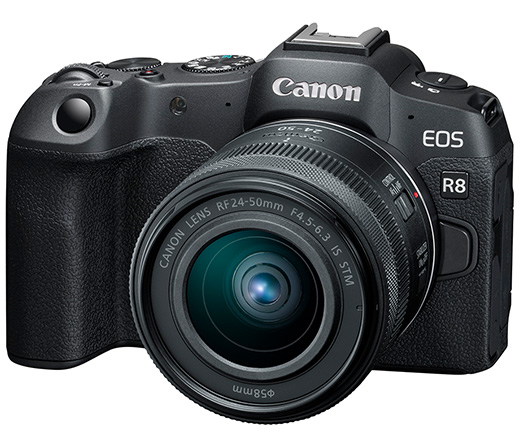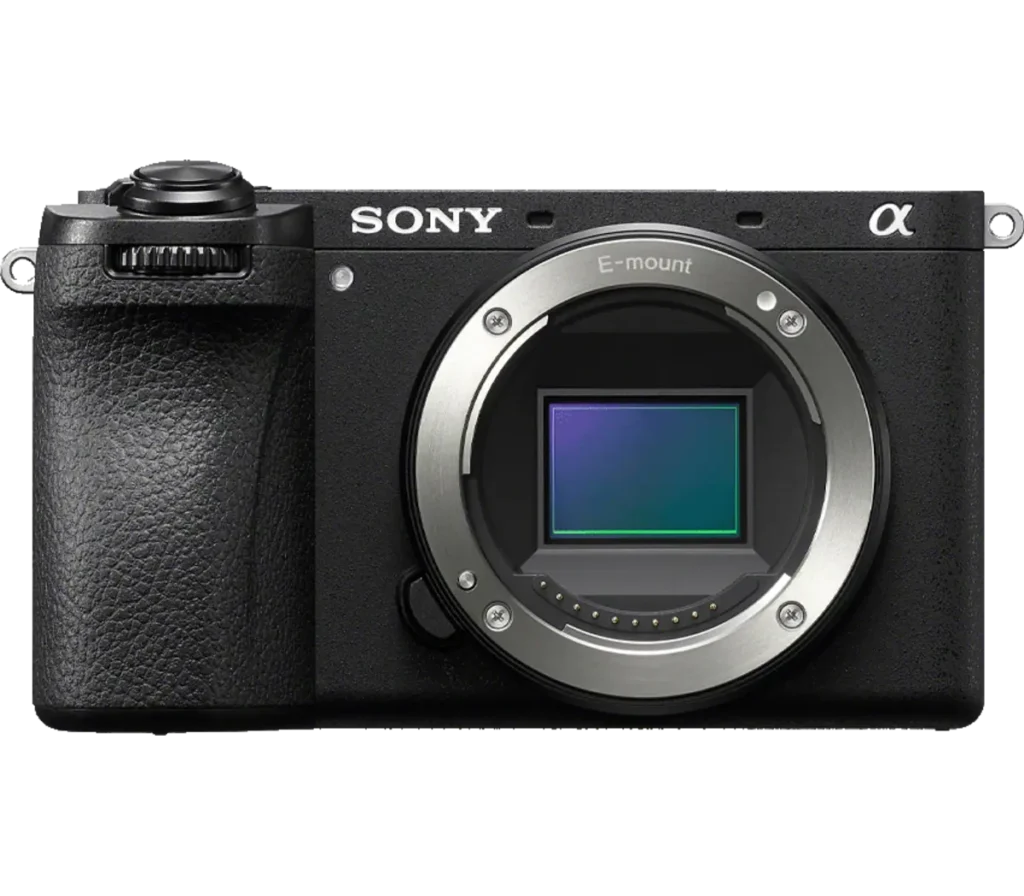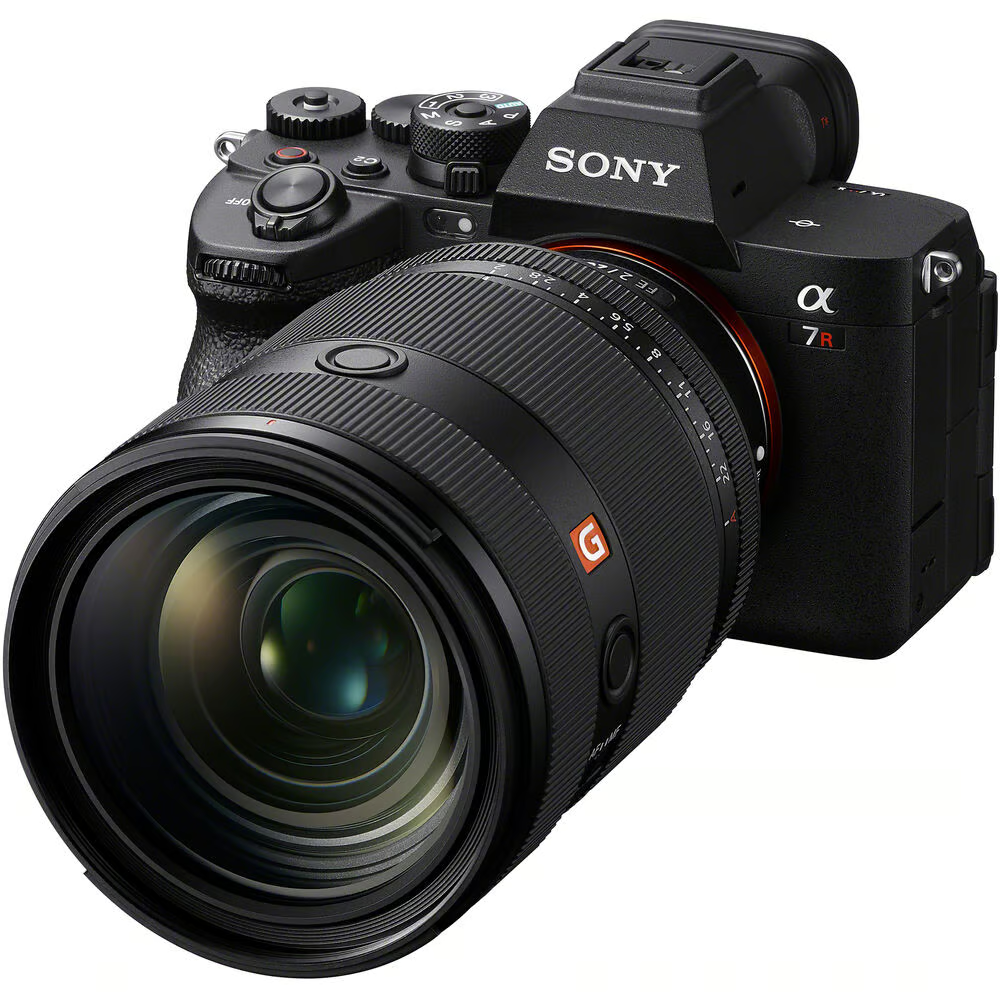
Product photograph from the Shutterbug News archive. Shown as an equipment example, not a new test result.
Equipment guide. This article explains selection and evaluation criteria; it is not a hands-on product review.
A prime lens fixes focal length; a zoom lets you change it within a range. That difference affects how you work, but neither automatically produces more thoughtful photographs. The right choice depends on how much the subject and your position change during a session.
Consider access and movement
If you can move freely and work slowly, a prime can provide a simple, consistent view. In restricted spaces or fast-moving situations, a zoom may help you adjust framing without stepping into an unsafe or disruptive position.
Moving your feet is not identical to changing focal length. Moving changes perspective and the relationship between foreground and background. Keep that distinction in mind when planning a composition.
Compare complete alternatives
One zoom may replace several primes, while one carefully chosen prime may be lighter than the zoom you would otherwise carry. Compare the actual lenses, including filters, hoods and any support needed. General labels do not determine total weight.
Also consider whether frequent lens changes expose the kit to dust or cause missed moments. A simple setup can have practical value even when it is less specialised.
Give the choice a fair trial
Use a zoom at one focal length for a session to learn whether a fixed view suits your subject. Review what you missed and what became easier. Let those observations guide the purchase. A lens choice should support a repeatable way of seeing, with enough flexibility for the circumstances in which you photograph.
Continue exploring
Sony FE 28-70mm f/2 GM Announced · Tamron 35–100mm F2.8 review: a compact portrait option