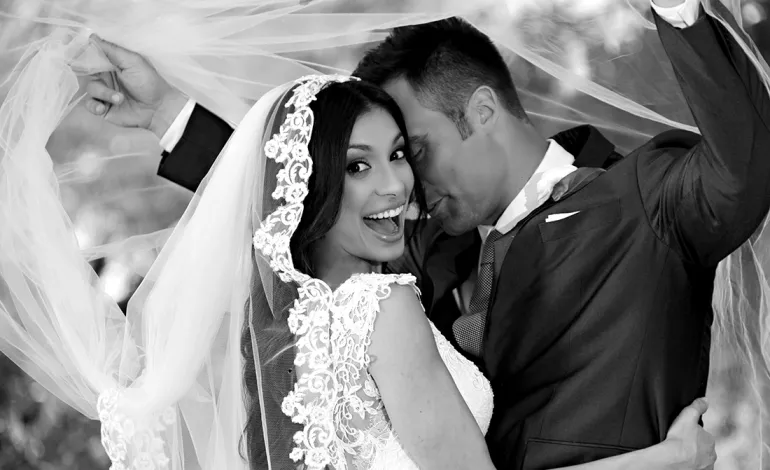
Photograph: Noreen Owens / Shutterbug News archive.
A warming gel can suggest late light or create a color contrast within a portrait. The strongest result usually begins with a clear reason for that warmth: a believable light source, a background relationship or a mood that supports the subject.
Build the neutral version first
Set up the portrait without the gel and make a reference frame. Check expression, shadows and background before adding another variable. Keep that photograph available so you can distinguish an improvement in color from a change in exposure or pose.
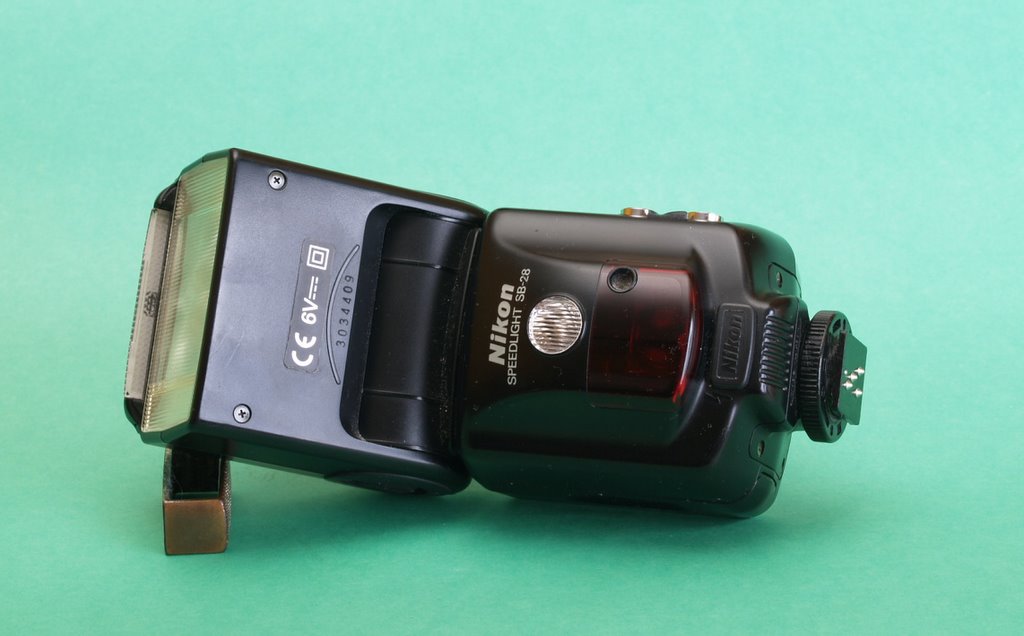
Fit only materials suitable for the light and follow the manufacturer’s heat and mounting guidance. Add the gel to the intended light, make another frame and adjust the exposure as required. Notice which surfaces receive the warm light and whether the effect extends farther into the scene than you wanted.
Control the relationship
A warm accent may work best when the main light remains relatively neutral. In another portrait, warmth across the whole face may be the point. Judge skin, clothing and background together rather than choosing a color in isolation.
Review the image at a normal viewing size after any white-balance adjustment. If the effect feels stronger than the expression, reduce it or simplify the arrangement. Keep notes on the gel, light position and relevant settings. A repeatable, intentional color relationship is more valuable than a dramatic effect you cannot recreate for the next portrait in the series.