When photographing a clear drinking glass, the visible subject includes the room reflected in its surface. Adding more lights can add more distracting shapes. A more manageable starting point is a simple background, one controlled light and a few neutral cards whose positions you can change deliberately.
Begin with an empty, stable setup
Use an ordinary, undamaged glass on a secure surface. Clean it before positioning it, keep electrical equipment away from liquids, and remove bright objects from the camera-facing side of the room. Start with an empty glass so its outline is easier to evaluate. Fix the camera position and exposure while comparing lighting changes.
Make one frame before introducing cards. Look for the reflection of a window, a lamp or your own clothing. Decide which of those reflections helps explain the shape and which merely distracts. A reflection is not automatically a defect; a narrow, controlled highlight can describe a curved rim.
Move a card and watch the surface
The Corning Museum of Glass demonstrates that neutral reflector cards can provide fill, transmit reflected light through glass, or appear as deliberate reflections along an edge. Try one white card outside the frame and move it slowly while watching the camera’s view. Compare a narrow visible stripe with a broader one.
Change one position at a time and keep a reference frame. If a bright patch obscures an engraving or rim, adjust the card or light rather than immediately darkening the whole exposure. Check that the glass remains distinct from the background on both sides.
Judge the whole outline
Inspect the rim, stem and base as well as the most attractive highlight. Look for clipped bright areas and unwanted shapes near the edges. A setup that describes the bowl well may still leave the foot difficult to read. Recheck the entire image after every substantial change.
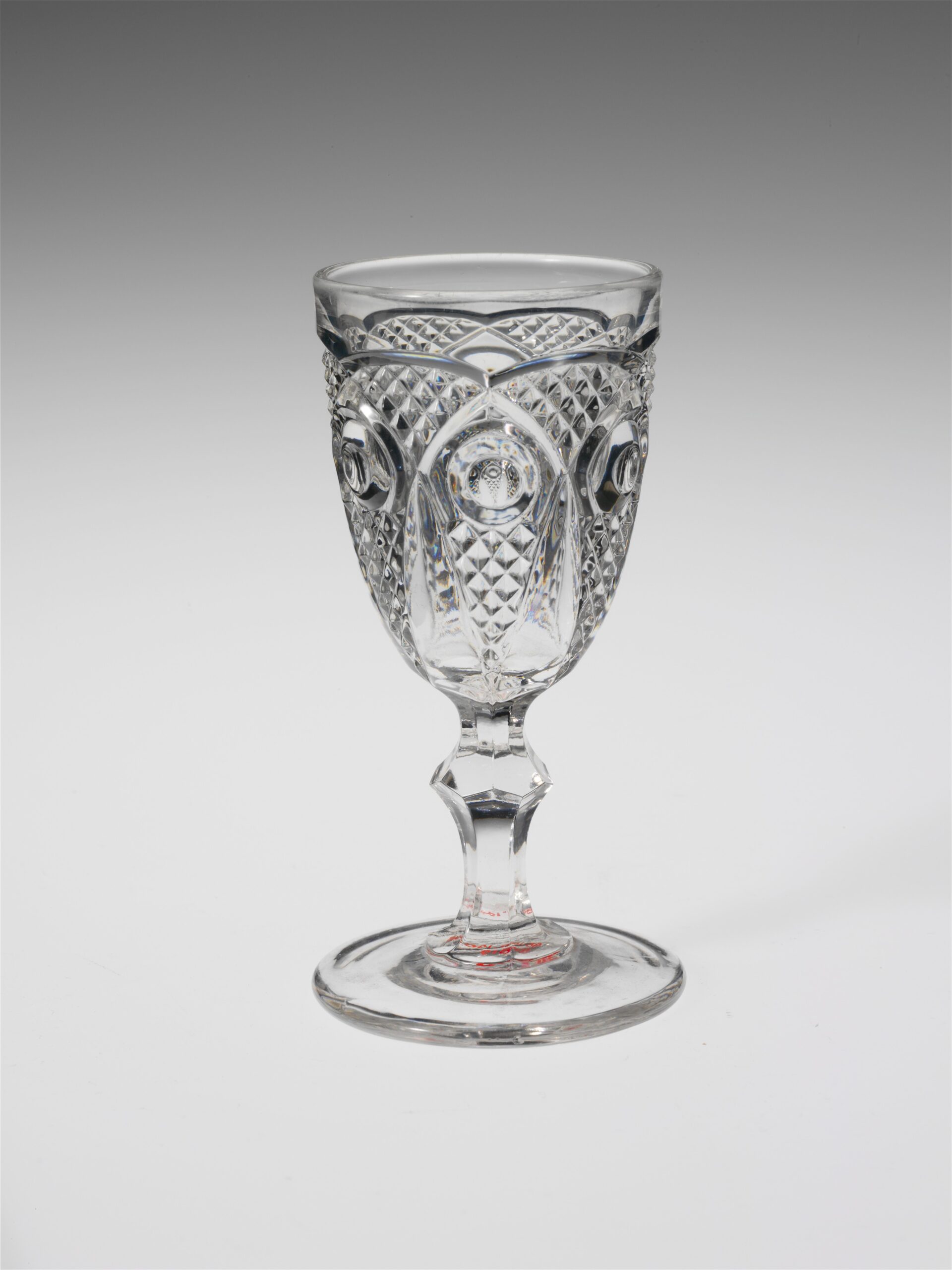
The museum collection photograph featured here is an example of a glass object, not a record of this proposed exercise. For more background, read our guides to reflectors and working with one light direction. Keep the comparison frames: they show which environmental change actually improved the photograph.
Sources and further reading
Wine Glass, The Metropolitan Museum of Art, Gift of Mrs. Emily Winthrop Miles, 1946; 46.140.819. Public domain / Met Open Access. Collection photograph, not a demonstration of the lighting setup described.