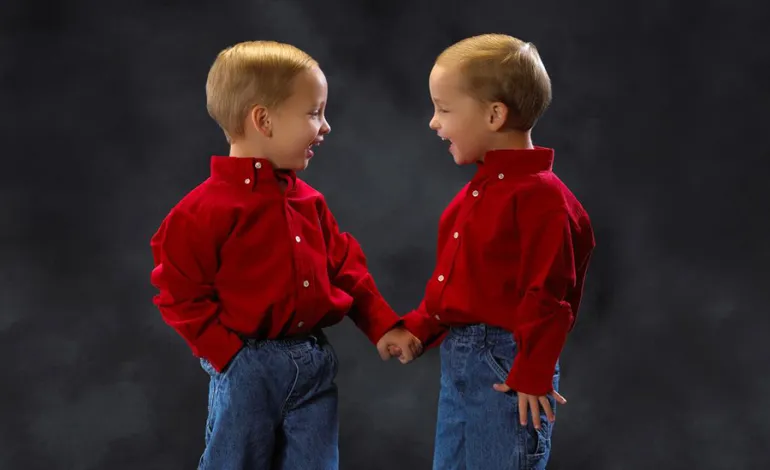
Jeff Lubin’s contribution to the Shutterbug News archive offers a clear view of a photographer thinking through relationships. In The Double Profile, two facing subjects share a dark setting, while carefully described light gives each face a distinct presence.
Technique serves the portrait
Lubin’s original article explains the lighting arrangement and the sequence used to establish it. The account connects equipment choices with the appearance of the finished portrait instead of presenting the gear as the conclusion.
That distinction is valuable for photographers learning a controlled setup. The useful question is what each light contributes to the face, separation and overall balance. A diagram or equipment list becomes more meaningful when it can be read against the actual photograph.
Two faces, one composition
The facing profiles create a relationship across the space between the subjects. Their outlines and expressions need to work individually, but the portrait also depends on how they occupy the frame together.
Study the space around the noses, chins and shoulders. Small changes there can affect whether the viewer reads the image as two separate portraits or one shared encounter.
What to bring into your own practice
Begin a paired portrait with a clear visual aim. Establish one subject’s position, add the second and assess the connection before refining every detail. Make changes patiently enough that you can understand their effect.
When studying Lubin’s example, keep his documented setup attached to his photograph. Use the underlying questions to guide your own experiments rather than assuming that reproducing the equipment list will reproduce the result.
The archive contribution remains useful because it makes the photographer’s decisions discussable. It invites readers to connect a finished image with the purposeful control of light, space and attention that supports it.
Featured photograph: Jeff Lubin, The Double Profile, from the Shutterbug News archive.