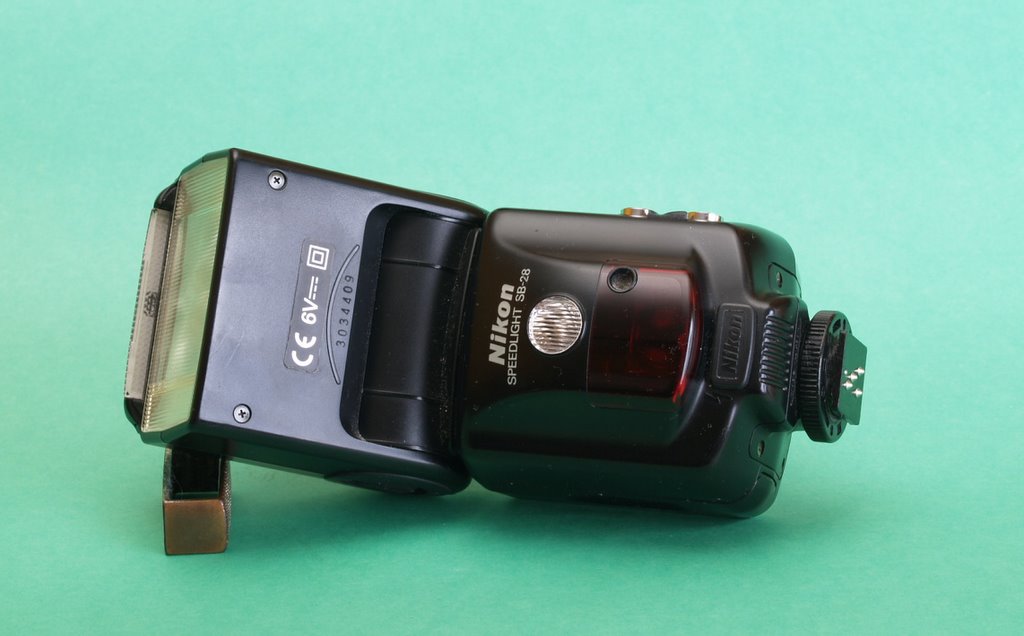
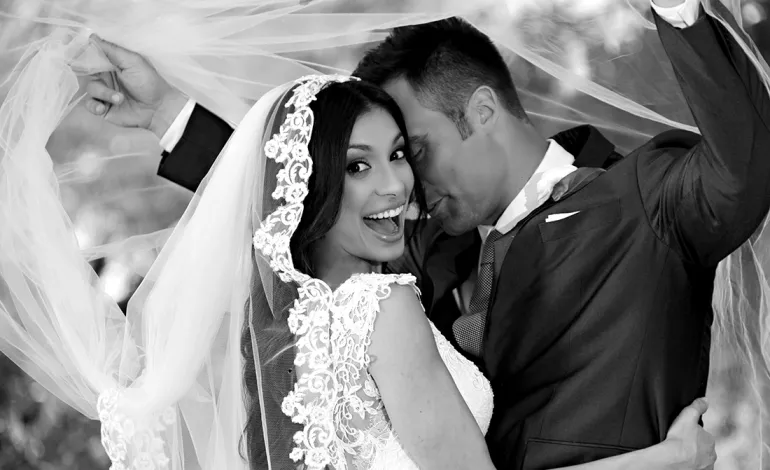
Archive image from Lighting is your Key to Success, by Alfred Gordon, Shutterbug News.
A reflector is easy to add and easy to overuse. Instead of placing it automatically below the face, begin by identifying the shadow you want to change. That decision determines the angle, distance and surface worth trying.
Watch the light arrive
Ask a helper to move the reflector slowly while you observe the subject. Look at the eyes, cheek and underside of the chin. Stop where the fill supports the existing light direction rather than creating an obvious new source from an awkward angle.
Make a frame without the reflector and one with it. Keep the subject’s position and exposure consistent enough to judge the difference. If the face looks flat, move the reflector farther away or change its angle. If it does very little, check whether it is actually catching the main light.
Keep the session comfortable
Avoid directing an uncomfortable glare toward the subject. In wind, secure the equipment appropriately and use a capable helper; a large reflector can be difficult to control. Keep stands and edges clear of the person’s movement.
A subtle adjustment often works better than the brightest possible fill. Review the portrait as a whole, including the background and clothing, before adding more light. The useful skill is recognizing when a small shift makes the face easier to read while preserving the depth and character of the original illumination.
Continue exploring
Lighting is your Key to Success · Overexposing and Using An Eye Lighter