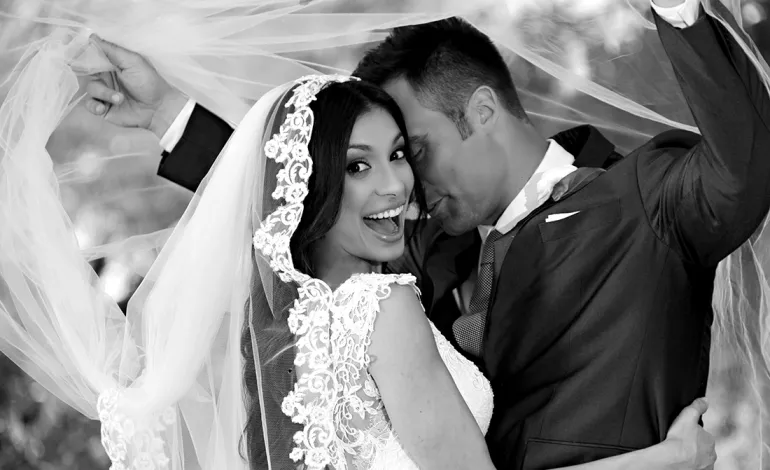
AI-generated editorial illustration from the Shutterbug News archive; not a photograph of a reported event.
A case study lets a prospective client see how you approach a problem. It does not need a dramatic success claim. A small, well-explained assignment can reveal more about your judgment than a large gallery with no context.
Start with the brief
State what the client needed and the constraints that shaped the assignment. Keep confidential details out and obtain appropriate permission before identifying the client or sharing material beyond the agreed use. Explain your role clearly if other people contributed.
Choose two or three decisions that affected the photographs. Perhaps you changed the location to simplify the background, planned a sequence around available light or chose a quieter approach for a nervous subject. Pair each explanation with an image that makes the decision understandable.
End with evidence you can support
Describe the delivered work and how it was used when that information is verified and shareable. Do not invent sales increases, audience growth or client quotations to make the story sound more impressive. If the outcome is simply a finished portrait series for a new website, say so.
Close with a relevant link to the service or portfolio page. Keep the case study focused enough to read quickly and detailed enough to show your process. Over time, a few distinct examples can help clients recognize the kind of collaboration you offer without requiring them to infer everything from finished images alone.
Continue exploring
A Roadmap to Elevating Your Photography Brand · From Single Images to Powerful Stories: Creating a Compelling Photo Essay