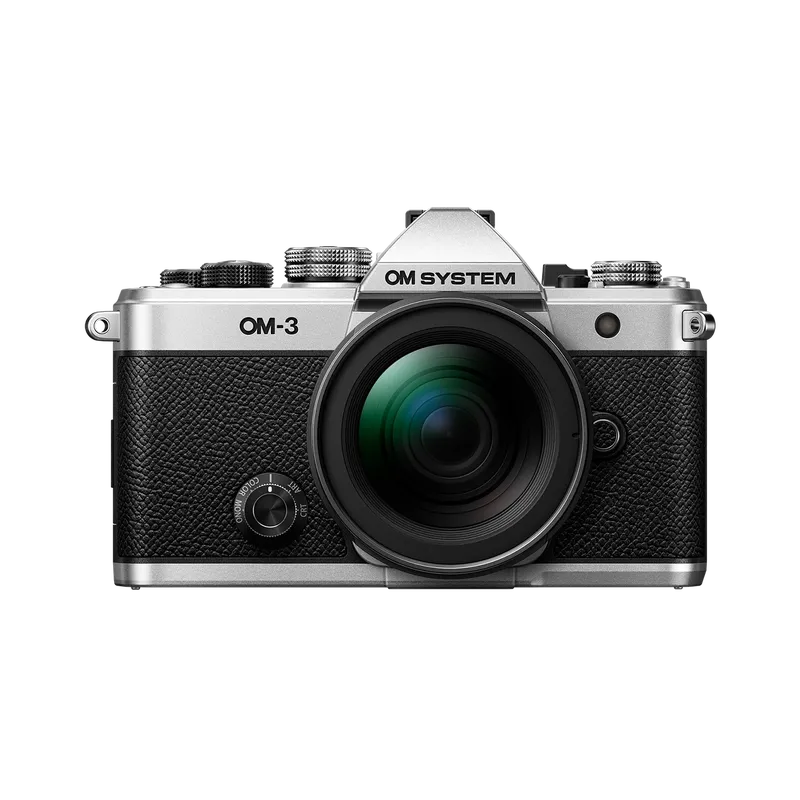
“Weather sealed” is an incomplete buying description unless you know the manufacturer’s stated limits. Before choosing a camera for exposed locations, read the exact model’s manual and the warranty for the region in which it will be purchased and used. Resistance claims and warranty coverage answer different questions.
Find the wording behind the claim
Look for guidance about moisture, dust, temperature, port covers and compatible lenses. Nikon’s Z7/Z6 care instructions, for example, explicitly say those products are not waterproof. That statement should not be silently converted into a promise about another model, nor should a retailer’s short description replace the relevant manual.
Write down what is documented and what remains unspecified. If the manufacturer provides an environmental rating, check what the rating covers. If no rating is provided, avoid inventing one from photographs of gaskets or reports that another owner’s camera survived a storm.
Read the warranty separately
Canon’s published EOS limited warranty discusses water and sand/corrosion damage among its exclusions and presumptions. Read the actual terms applicable to the product and location, because an environmental design feature does not automatically mean every weather-related failure will be repaired without charge.
Ask the seller to identify any separate protection plan in writing. Compare its conditions with the manufacturer’s warranty rather than blending the two into one vague promise of coverage.
Make an exit plan for the shoot
Choose a dry place to pack away equipment before rain arrives. Keep a suitable cover accessible and avoid opening the camera or changing lenses in blowing dust or rain. If conditions exceed your plan, stop and follow the manufacturer’s care guidance rather than using an important assignment as an improvised weather test.
Pair this document check with our guides to bag weather protection and a compact maintenance kit. The Lake Tahoe photograph is a location illustration, not evidence that any camera was tested in snow or exposed to water.
Sources and further reading
Illustrative photograph: Emerald Winter, Lake Tahoe, by Neal Nachman / Artistic Creationz.