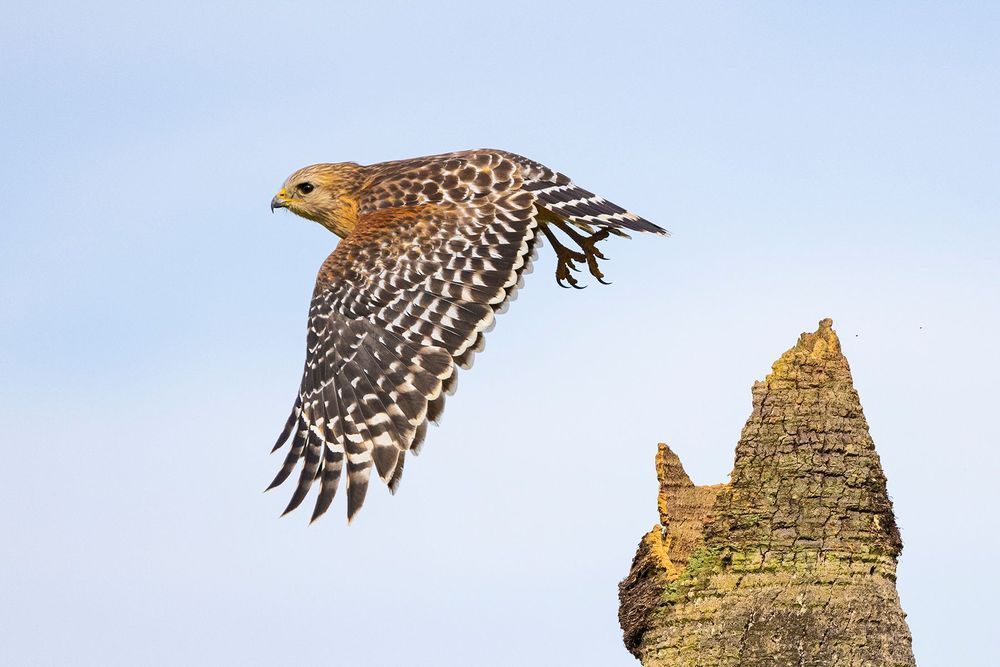
Photograph: Neal Nachman / Artistic Creationz. Used as an illustrative image.
The strongest picture in a project does not automatically make the strongest opening, and five dramatic images do not always make a satisfying sequence. Transition photographs help a reader move between places, scales and emotions. Their purpose is to connect, not merely to fill a gap.
Look for a change of scale
A wide view establishes the setting; a detail can then make that setting tangible. Between them, a medium view may help the viewer understand how a person or object belongs to the scene. Without that connection, a sequence can feel like unrelated highlights.
Photograph these intermediate views deliberately while working. A doorway, a pair of working hands or the space around a subject may later become essential to the edit. Avoid assuming that every useful photograph must be a standalone showpiece.
Build visual relationships
Transitions can work through repeated color, a line that continues across a page turn or a gesture that changes meaning in the next frame. They can also work through contrast: stillness after movement, distance after intimacy, silence after a crowded scene.
Test the relationship by removing the transition. If the story becomes clearer, leave it out. A bridge is useful only when there is a real gap to cross.
Give the viewer a reason to continue
Make a small contact-sheet sequence and ask another person where they feel confused or rushed. Do not explain the intended story first. Their pauses reveal where the edit needs context. The final rhythm should guide attention while leaving room for the viewer’s own response.
Continue exploring
From Single Images to Powerful Stories: Creating a Compelling Photo Essay · How to Edit a Photography Series: From 1,000 Frames to 12 Keepers