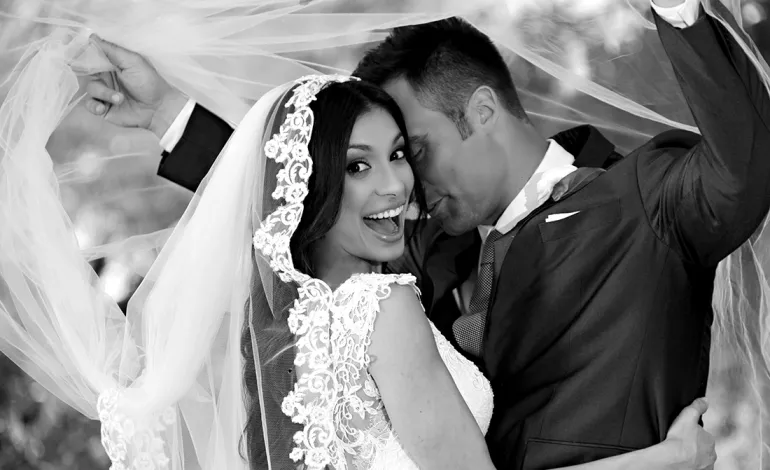
Archive image from Lighting is your Key to Success, by Alfred Gordon, Shutterbug News.
A chair can make a portrait feel relaxed, but an unsuitable seat can create more tension than standing. Begin with stable furniture that fits the subject and gives them a comfortable way to place their feet and hands.
Let the person settle
Ask the subject to sit naturally before directing a formal position. Notice which arrangement they choose and whether it suits the light and background. Confirm that they can maintain it comfortably, and offer alternatives when mobility or balance makes a suggested position difficult.
Change your camera height and distance to explore the proportions before asking the person to lean or twist. A small shift in viewpoint may solve a compositional problem more comfortably than a demanding pose.
Make small, clear adjustments
Try a gentle turn of the torso, followed by a separate change in face direction. Keep instructions sequential so the subject does not have to remember several corrections at once. Watch shoulders and hands for tension as the pose develops.
Make a neutral, comfortable version before a more expressive one. Between frames, let the subject relax rather than holding the position indefinitely. Review the portrait for the relationship between face, body and chair; the furniture should support the composition without becoming a distraction. A convincing seated portrait begins with a person who feels supported, then uses direction and framing to make that comfort visible.