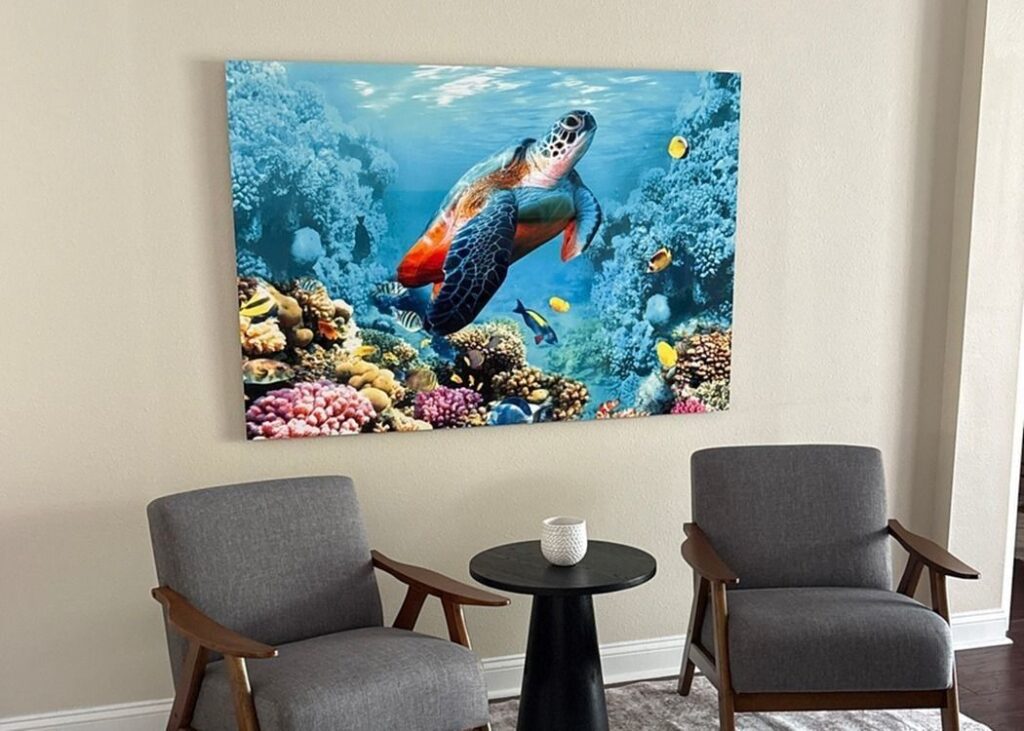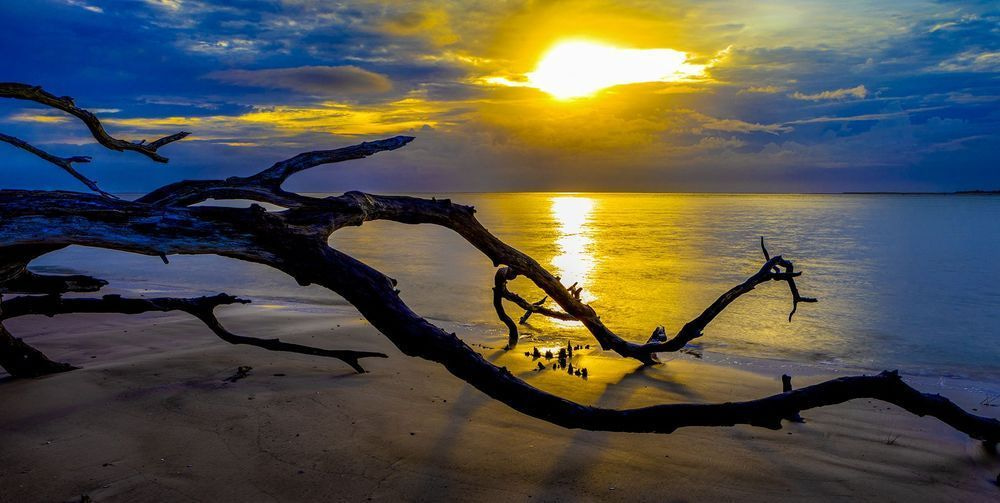
Photograph: Neal Nachman / Artistic Creationz. Used as an illustrative image.
A familiar place can become a more demanding subject than a distant landmark. On the first visit, the obvious view tends to dominate. Returning reveals smaller changes: a different water level, a cleared horizon, a branch that now catches the light. Those details can become the structure of a long-term photographic project.
Choose a question, not just a location
Decide what interests you about the place. You might follow how people use a riverside path, how a single tree changes or how weather alters the mood of an industrial shoreline. A question gives each return a purpose without prescribing every photograph.
Record the date, approximate viewpoint and conditions in a notebook. Make one reference frame from a repeatable position, then spend the rest of the visit exploring freely. The reference photographs create continuity; the unexpected frames keep the project alive.
Let differences earn their place
At the end of each season, compare small prints or a contact sheet. Keep images that add information rather than simply replacing an older photograph with brighter color. A quiet winter frame may be important because it changes the meaning of a crowded summer scene.
Do not force an image into every month if nothing meaningful happened. A coherent series does not have to resemble a calendar. It needs a clear relationship between its photographs.
Make the project manageable
Choose somewhere you can revisit safely without exceptional travel costs. Establish a modest rhythm and keep notes about missed opportunities. Over time, the project can become both a portrait of a place and a record of how your attention changed.
Continue exploring
Top 10 Landscape Photographers Making Place Feel Personal · From Single Images to Powerful Stories: Creating a Compelling Photo Essay