A landmark photograph establishes a destination quickly. It rarely explains the whole experience of being there. A small travel sequence can add scale, rhythm and texture by moving between the place as a whole and the details that make it particular.
Make an establishing image
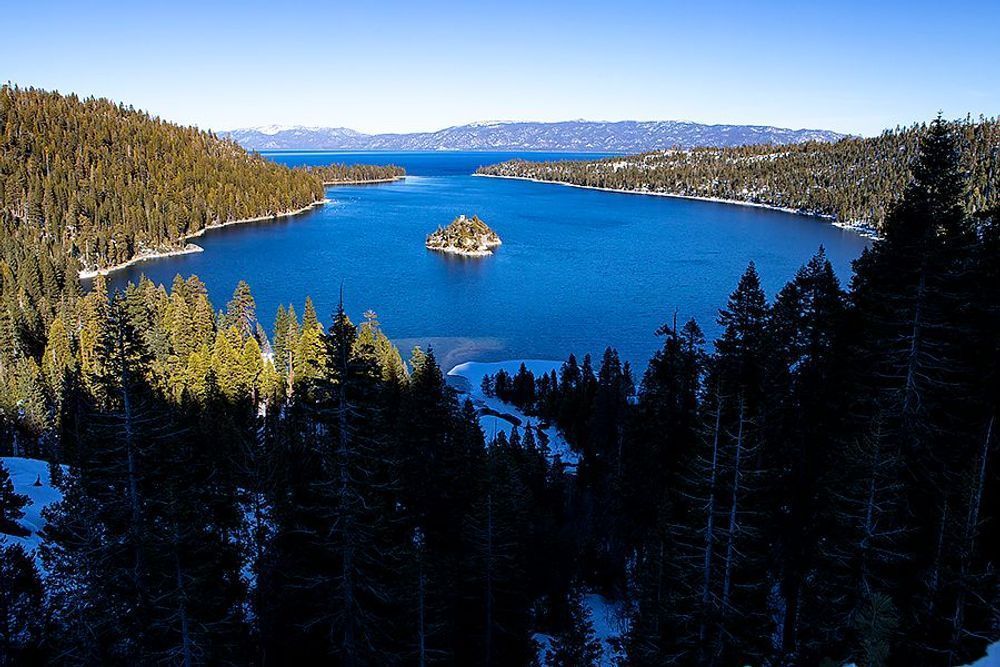
Begin with a view that helps the viewer understand the setting. It does not need to be the most famous angle, but its geography or structure should be readable. Leave enough context for the later, closer photographs to belong somewhere.
Note the actual viewpoint and visible landmarks while the information is available. Accurate captions become easier when the sequence already has a clear spatial beginning.
Move to a human scale
Look for a photograph that describes how the place is experienced: a path, doorway, shoreline access or activity you can photograph appropriately. This middle distance connects the broad view with the more intimate detail.
A sequence does not require strangers as decoration. Where people are involved, work respectfully and avoid inventing a story about them from appearance alone.
Choose a detail with a reason
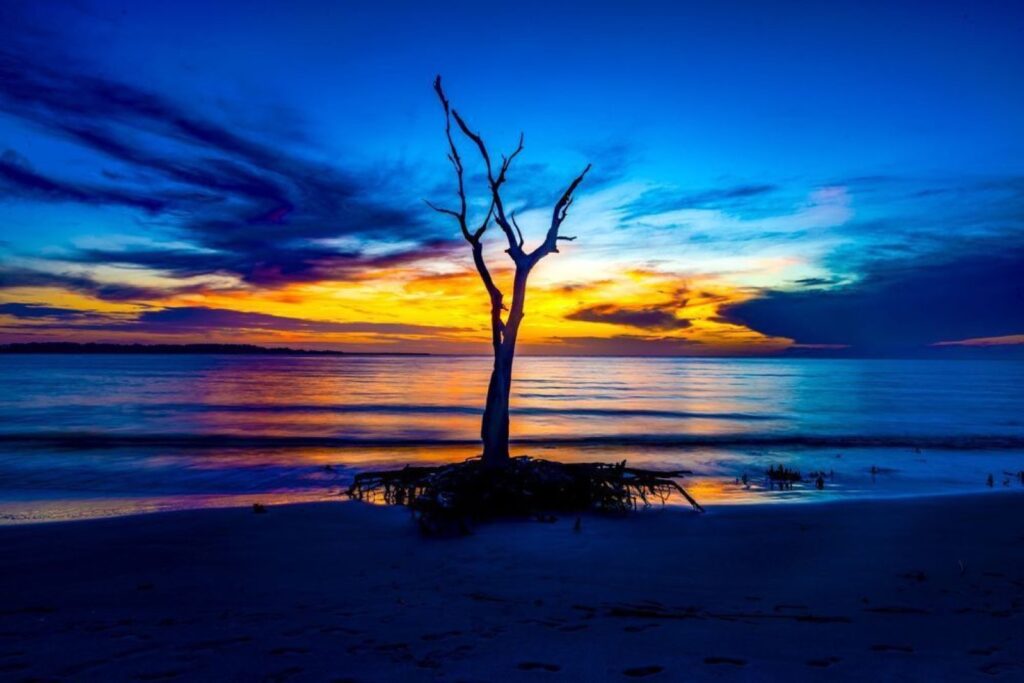
A texture, reflection or small object should contribute to the larger idea. Ask why it belongs in this particular sequence. A visually attractive close-up can still feel interchangeable if it says nothing about the setting or experience.
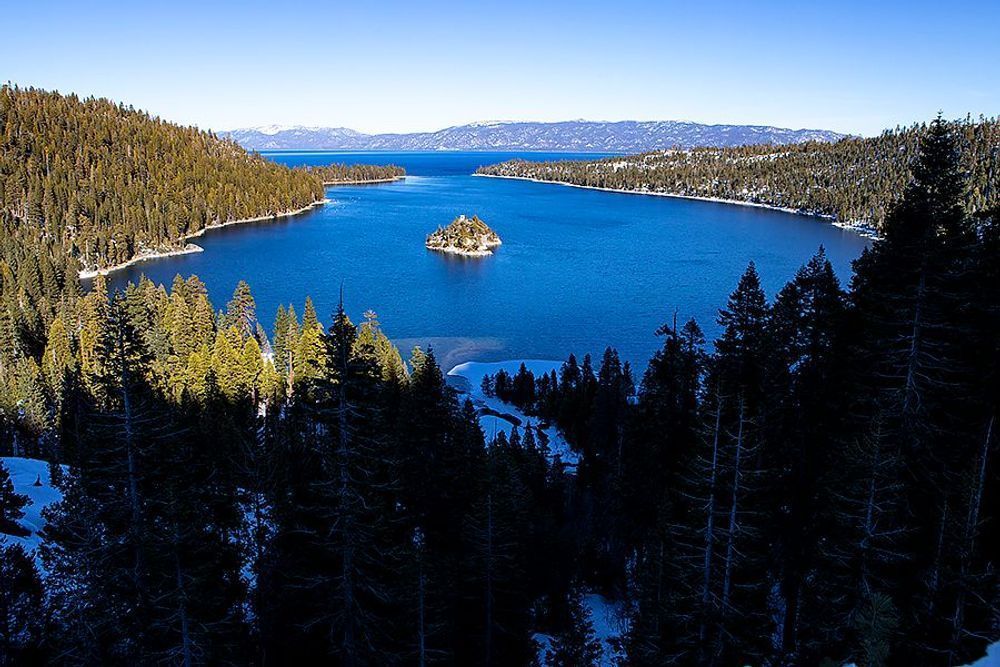
During editing, place the pictures together and look for repetitions. Keep the photograph that adds a new relationship, then remove a near-duplicate even if it is individually appealing.
Vary the pace with a quieter frame between stronger visual statements. The result should feel like a considered walk through the experience, not a collection of unrelated highlights.
Finish with captions that identify what is known and allow the photographs to carry their own atmosphere. Three well-connected images can communicate more than a long gallery in which every frame repeats the same distance and visual intensity.
Keep exploring
From Single Images to Powerful Stories: Creating a Compelling Photo Essay