A short photography trip can become a contest against a list of locations. The temptation is to move on as soon as one recognisable frame is made. Returning to a viewpoint offers a different kind of progress: a chance to understand what the first visit only introduced.
Use the first visit to learn the frame
Notice how the foreground, middle distance and background relate. Identify an overlap that could be improved, a distracting edge or a direction in which the light might become more useful. Keep those observations with a reference photograph.
The visit has value even if its final image is not the strongest. It builds a practical understanding of the place that a saved map pin cannot supply.
Return with one deliberate change
Choose a different time, camera height or focal-length approach. Keep enough of the original idea intact to compare the result meaningfully. If everything changes at once, it becomes harder to know what the return actually taught you.
Check access and conditions again rather than assuming they remain the same. A viewpoint that was straightforward on one visit may be unsuitable in different weather or light.
Compare observation as well as atmosphere
Back in the edit, look beyond the more dramatic sky. Did the second visit improve the arrangement of the shoreline? Did a smaller foreground become more important? Did you recognise a relationship you had walked past the first time?
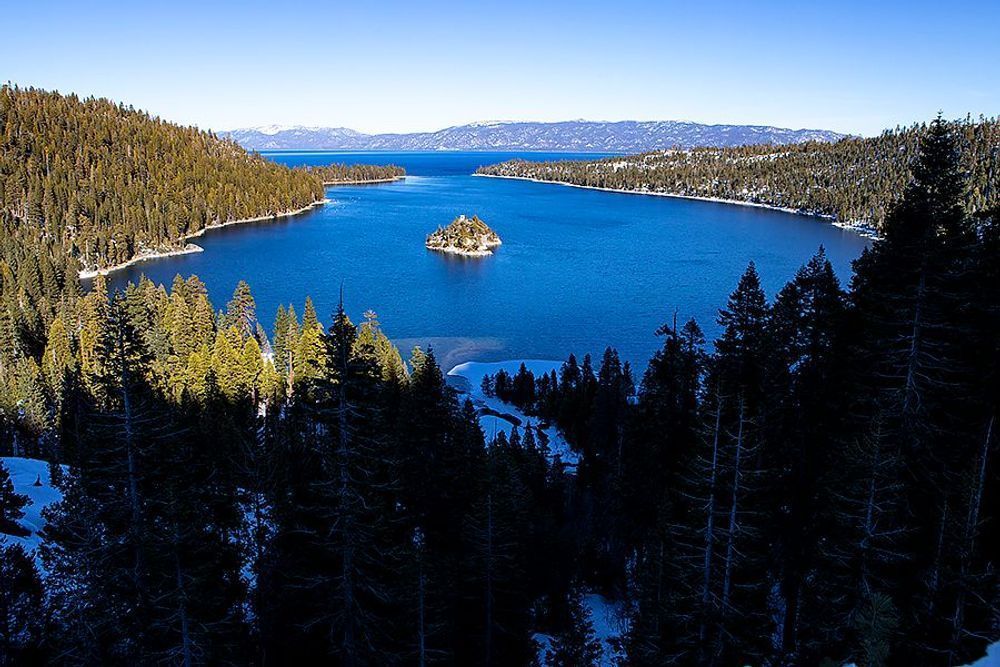
Neal Nachman’s Emerald Winter offers an example of how a small island and surrounding shoreline can organise a wide scene. Studying those relationships is a useful way to plan a return, without assuming anything about the circumstances of that particular photograph.
A travel itinerary still needs variety, but variety does not require a new location for every frame. Sometimes the most revealing photograph comes from giving a familiar view a second, more informed look.