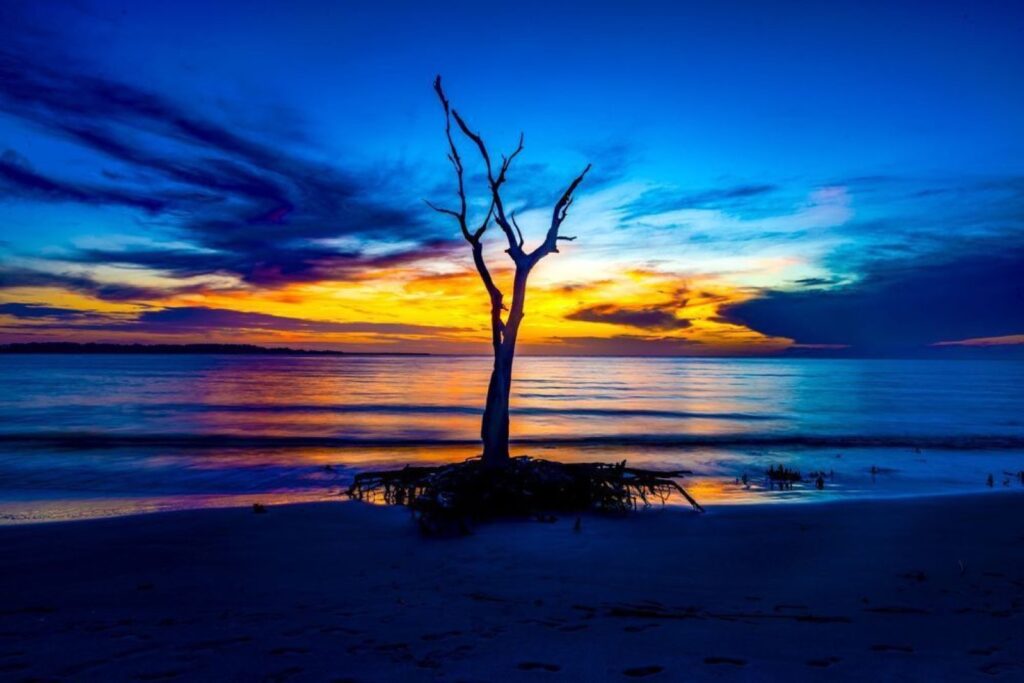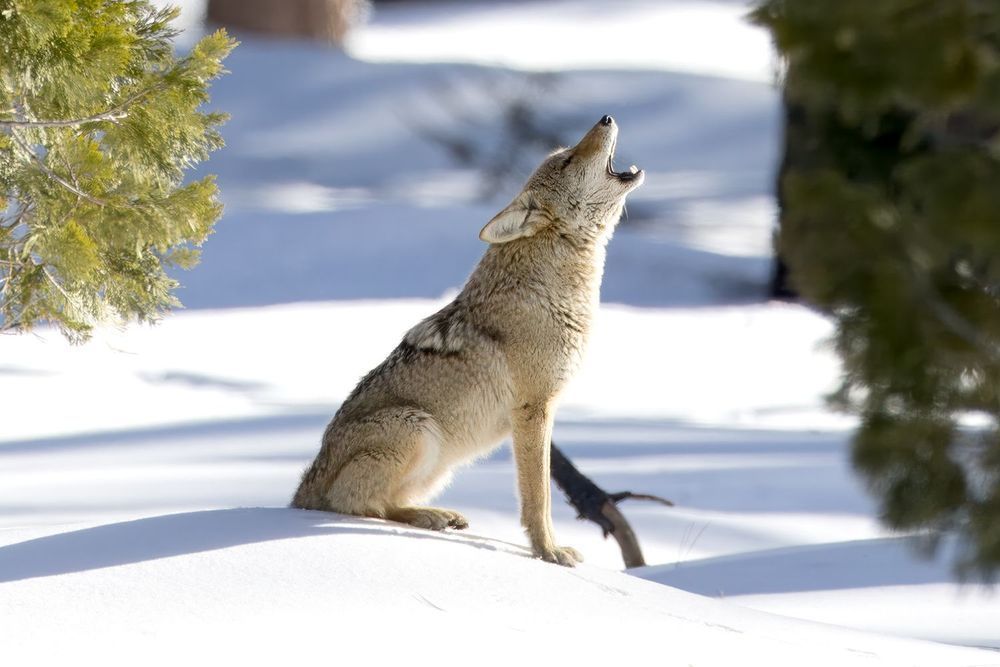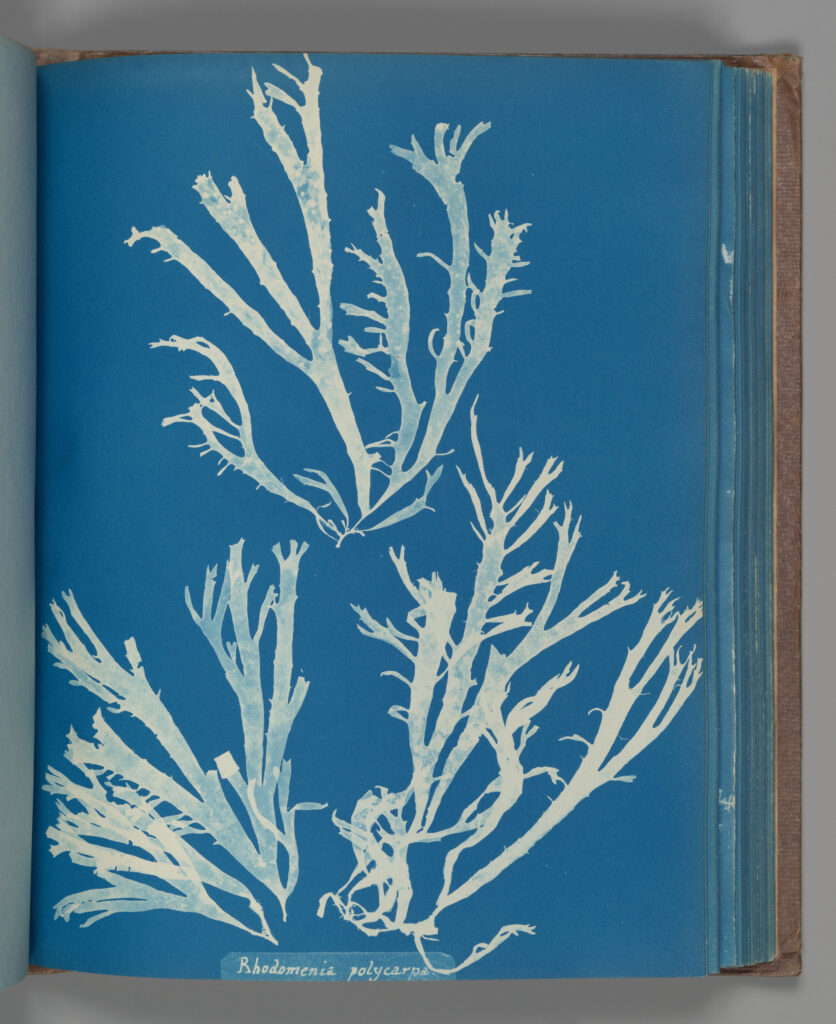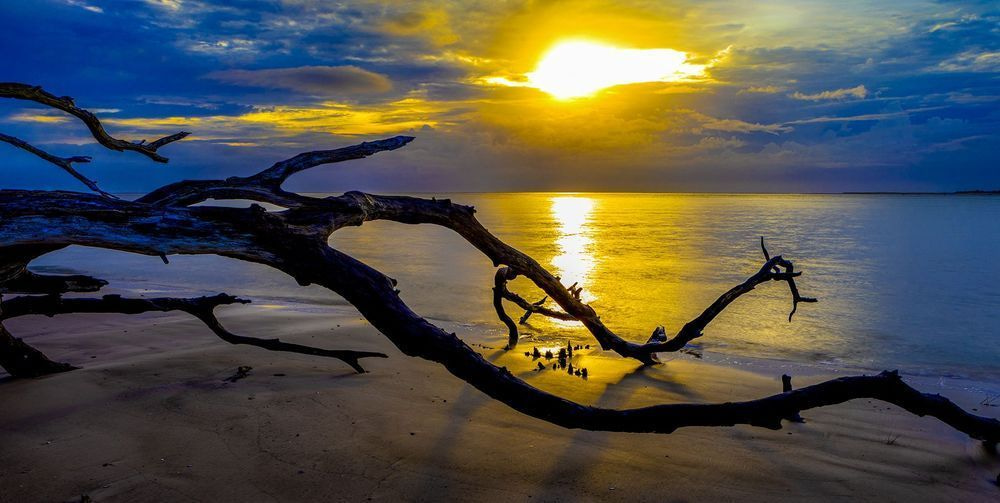
The apparently empty part of a photograph is rarely doing nothing. Open sky, plain water or a dark background can establish scale, direct a gaze and determine whether a subject feels isolated or comfortably placed. Negative space is a compositional material with its own weight.
Ask what the space contributes
Start by describing the subject’s relationship to its surroundings. A small bird against open water may feel vulnerable; a branch crossing a wide sky may feel expansive. Neither result comes from subject size alone. Tone, direction and the placement of the frame edges contribute together.
Make a tighter and a wider version without changing the subject. Compare their emotional effect at the same display size. The wider version should earn its additional space through a clearer relationship, not merely a fashionable crop.
Inspect the supposedly empty area
Bright reflections, isolated branches and uneven patches of color can compete with the subject even when they occupy little room. Scan the open area slowly. Decide whether each interruption gives the space character or weakens its purpose.
Look at the frame edge as well. A partial object entering from a corner can make a deliberate arrangement feel accidental. A small change in viewpoint may resolve it more cleanly than a substantial edit later.
Plan for the finished format
An image intended for a wall, book spread or website header will not always use space in the same way. If text will occupy part of the frame, consider its position while photographing. If the picture must stand alone, the open area needs to hold its role without that added element.
During processing, resist filling every dark patch with visible texture. A smooth area can create a useful pause beside a detailed subject. The final question is not whether the picture contains enough information everywhere. It is whether the information and the pauses lead the viewer through the photograph in a satisfying order.
Keep exploring
Photographing Transitions: Where a Photo Story Finds Its Rhythm