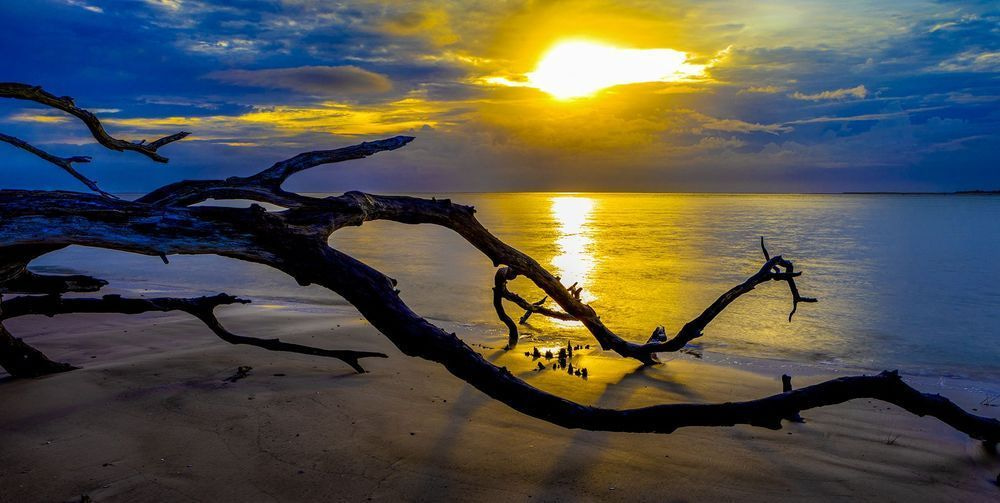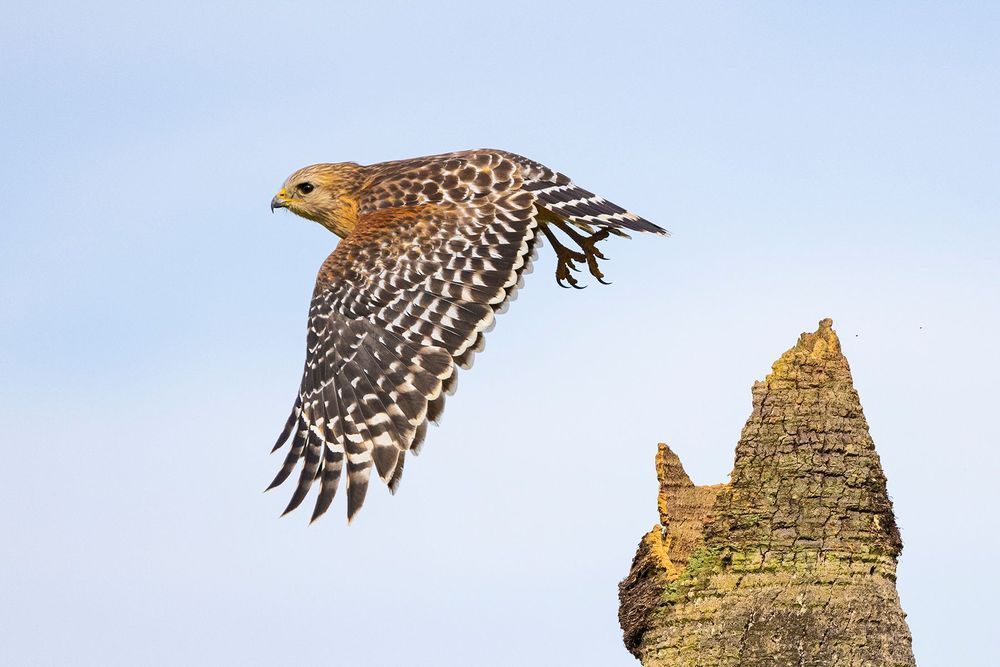
Photograph: Neal Nachman / Artistic Creationz. Used as an illustrative image.
A wildlife photograph often begins before the shutter is pressed. Repeated observation helps a photographer recognise when an animal is feeding, resting or preparing to move. It also makes it easier to notice when the photographer’s presence is changing that behavior.
Start with a quiet observation period
Watch from an appropriate distance before choosing a composition. Note the direction of movement, the rhythm of activity and any repeated use of a perch or pathway. Keep the camera ready, but resist making an approach simply because the current frame is too loose.
A longer observation may reveal a better background or a natural moment of action. It may also show that the responsible choice is to leave. An image is not improved by causing the behavior it claims to document.
Keep a useful field notebook
Record conditions and observations in plain language. “The bird returned to the same branch twice after feeding” is more useful than “great location.” Distinguish what you saw from what you inferred, and avoid publishing precise locations for vulnerable subjects.
Review missed frames as information. Was the camera not ready, did the background become distracting, or did you misread the movement? Those are different problems and require different changes on the next visit.
Let understanding shape the picture
A photograph of behavior can communicate more than a close portrait alone. Consider including habitat, space or another animal when it explains the encounter. The aim is not simply greater proximity. It is a clearer, more honest account of what happened in front of the camera.
Continue exploring
The Ethics of Wildlife Photography: Distance, Baiting and Honest Images · 5 Tips for Photographing Hummingbirds