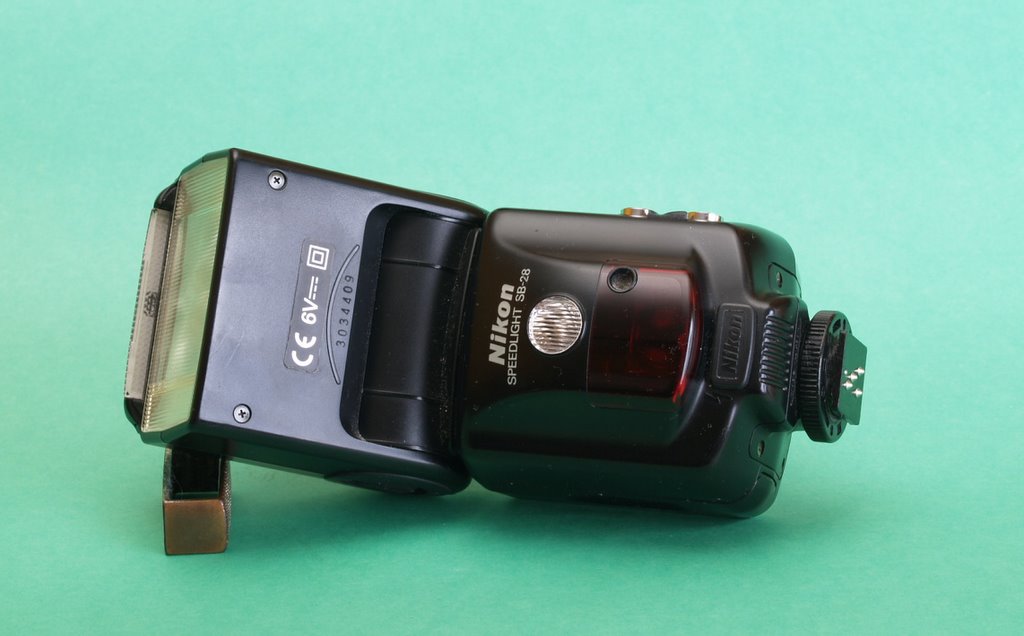
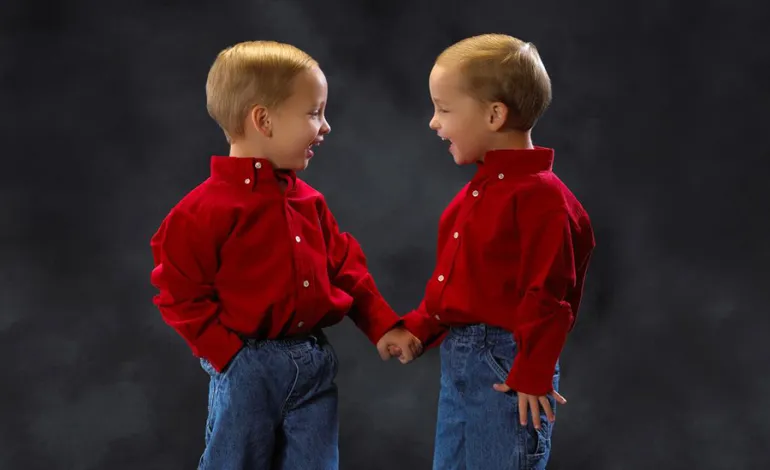
Archive image from Lighting is your Key to Success, by Alfred Gordon, Shutterbug News.
A window provides a useful lighting lesson because its position stays fixed while you move the subject. Begin with one person, a simple background and enough room to change the angle comfortably. The aim is to see the effect of small movements.
Establish a starting point
Place the subject so the window is to one side rather than directly behind you. Ask them to turn gently toward and away from it while you watch the face. Notice where the cheek shadow falls and whether the eyes remain engaged with the light.
Make a few frames, keeping the pose broadly consistent. Then move the subject nearer to or farther from the window and reassess the relationship between face and background. Adjust exposure when needed; a comparison is less useful if one version is simply much darker overall.
Simplify competing light
Look for room lights that add an unwanted color or direction. Where practical, switch them off and compare the result. If the shadow side feels too deep, try a neutral reflector or a lighter nearby surface before assuming that a second powered light is necessary.
Finish by selecting the version that suits the person’s expression and the intended mood. Record the room, time and approximate position so you can repeat the setup. The purpose of the exercise is a clearer understanding of direction and contrast, not a fixed window-light formula that ignores the subject in front of you.