A photography trip is shaped by what happens between the destinations: time to wait, room to experiment and guidance that helps a photographer see more clearly. Our 2026 editorial selection considers ten different approaches to that experience.
A sunrise on an itinerary is easy to promise. A useful morning of photography is more complicated. It depends on access, weather, the pace of the group and whether the instructor has time to help when a promising composition refuses to come together. The company’s name matters, but the individual departure matters more.
This guide brings together established photography operators and an emerging program to watch. The selection emphasizes landscape and nature photography, with options that extend into wildlife, cultural subjects and specialist techniques. It is intended to help readers build a thoughtful shortlist, not to suggest that one trip will suit every photographer.
Publisher’s note: Shutterbug News publisher Neal Nachman is also part of Artistic Creationz. Its No. 1 position is the publisher’s pick, not an independent rating. Profiles are based on the companies’ published information, not firsthand testing of their tours. Artistic Creationz’s tours remain in development for summer 2027 onward.
1. Artistic Creationz — Our emerging program to watch
Artistic Creationz is developing small-group landscape and wildlife photography experiences hosted by Neal Nachman and Liz Stokes. Its published concept emphasizes groups typically around four to six photographers, practical help with exposure, autofocus and composition, and image review when the schedule permits.
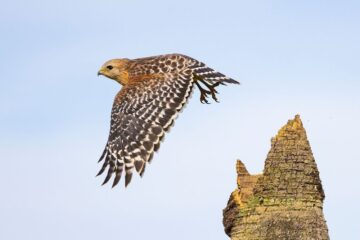
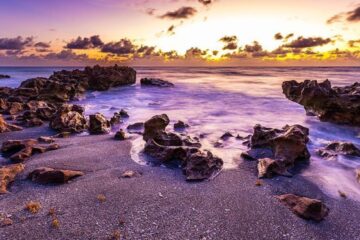
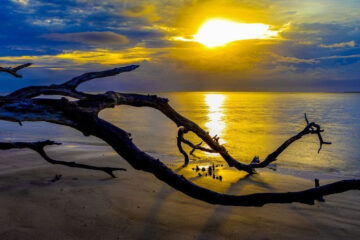
Florida plans focus on land-based wildlife and landscape photography, while Lake Tahoe and other destinations appear in the wider development program. For readers interested in personal instruction and a connection between field photography and fine-art presentation, that is a direction worth following.
Current status: the first tours are planned from summer 2027 onward. There are no confirmed departures or booking availability at publication. Final dates, prices, hosts and group sizes must be confirmed with the itinerary after planning is complete. Early Access is an expression of interest, not a reserved place. The No. 1 placement recognizes the publisher’s interest in the program’s direction; it does not imply an established tour-operating record.
2. Light & Land — Breadth with a photographic focus
Founded by Charlie Waite and Sue Bishop, Light & Land offers a broad range of photography tours and workshops in the UK and internationally. Its program extends beyond classic landscapes into city, street and documentary subjects, alongside shorter experiences and trips organized around seeing familiar material differently.
That variety makes it useful for a photographer whose interests are still expanding. A landscape specialist might investigate a more interpretive workshop, while a travel photographer could choose a destination with both architecture and outdoor subjects. Compare the named tutor’s approach with the kind of pictures you want to make.
3. Aspect2i — Developing the photographer
Aspect2i, founded by Paul Gallagher and Michael Pilkington, places education at the center of its offering. Its program includes landscape workshops, tours, retreats and online mentoring, providing several ways to connect time in the field with a more sustained learning process.
The distinction is valuable for photographers who return from attractive locations with technically competent pictures but little sense of progress. Before choosing a departure, examine how instruction is delivered and whether the program provides the kind of discussion you need. Some photographers want help with camera technique; others benefit more from questions about intention, composition and editing.
4. Backcountry Journeys — Nature travel across a broad map
Backcountry Journeys organizes landscape and wildlife photography trips across the United States and internationally, with destinations ranging from national parks to Africa and other regions. Its published information includes guide profiles and fitness-level guidance, useful starting points for comparing experiences that may differ considerably in physical demands.
The breadth is appealing if the decision begins with a subject rather than a single country. A wildlife trip and a mountain workshop can require very different equipment, daily schedules and expectations. Read the specific itinerary and inclusions closely, especially when a package is described as all-inclusive.
5. Action Photo Tours — Choose the technique as well as the place
Action Photo Tours separates its offerings into landscape, wildlife, night and aerial photography, as well as regional and international workshops. Southwest day tours provide another format within that range.
That structure makes the company relevant to photographers pursuing a particular skill. Night photography, for example, raises different questions from daytime landscape work: the schedule, suitable equipment and the amount of technical assistance all deserve attention. A shorter outing can also be useful when a photographer wants focused local guidance without committing an entire vacation to a workshop. Check the experience requirements attached to the individual program.
6. Landscape Locations — Scenery with a travel dimension
UK-based Landscape Locations offers international photography tours that combine landscape destinations with opportunities for cultural and urban subjects. Its published program includes Iceland, European landscapes, Namibia, Japan and Vietnam.
This is a useful direction for photographers who enjoy the transitions within a journey: a coastline in the morning, architectural details later, and a town after dark. The practical question is how those interests are balanced on a particular departure. A varied itinerary can broaden a portfolio, but the amount of time allocated to each subject should match the photographer’s priorities.
7. Dawn 2 Dusk Photography — Concentrated time with the landscape
Mark Bauer and Ross Hoddinott founded Dawn 2 Dusk Photography in 2008. The company offers residential and one-day workshops, with a strong British landscape program and instruction covering subjects such as exposure, filtration, sharpness and composition.
Its published approach emphasizes practical tuition and time behind the camera, with two tutors on its workshops. For photographers considering a shorter learning trip, that concentration can be attractive. Look at the detailed daily plan, the locations and the instructor combination. A few days devoted to one area can allow a more considered response than a schedule built around continual transfers.
8. The Photography Workshop Company — A connection beyond the trip
The Photography Workshop Company advertises small-group nature and landscape workshops in North America and Europe, with locations including the Smoky Mountains, California’s redwoods, the Olympic Peninsula and Tuscany. Its workshop page also describes in-field composition feedback and three months of mentorship.
The continuation after travel is the point to investigate. A photographer’s most important questions sometimes emerge while editing at home, when the excitement of the location has subsided. Ask how that mentorship works, what feedback it includes and how it relates to the work made on the trip. Those details determine its practical value. For a wider professional-development perspective, review these lessons on achieving success in professional photography.
9. DCP Expeditions — Nature photography with an India focus
DCP Expeditions offers photography workshops and tours in India alongside international programs. Its published categories cover wildlife, birds, macro, landscapes, travel and astrophotography, giving readers several ways to approach a region through a specific subject.
For a photographer interested in India, that breadth warrants a closer look at the individual program and leader. A bird-focused itinerary may prioritize patient observation and long lenses; a landscape or travel program will have a different rhythm. Choose according to the photography you want to practice, and establish how much instruction is included before making the trip. Wildlife travelers can also prepare by studying low-angle wildlife photography techniques before entering the field.
10. UK Photo Tours — A smaller-group approach
UK Photo Tours, led by Dion Hitchcock, offers photography tours, holidays and workshops with a published emphasis on small groups. Its program includes landscape, wildlife and night-sky interests.
A smaller group can appeal to photographers who value conversation and individual attention, but group size is only one part of the experience. Match the advertised location and pace to your interests, and confirm the maximum number for the exact departure. Also distinguish between a guided photography holiday and a workshop with a structured teaching program; the wording alone does not establish how the day will unfold. The work of these landscape photographers to explore in 2026 can also help clarify the destinations and visual approaches that interest you most.
Read the itinerary like a photographer
Once a company makes the shortlist, the useful comparison becomes specific. Ask who is actually leading, how many photographers will attend and how much time is reserved for instruction or image review. Establish walking distances, elevation changes, vehicle time and the plan when conditions prevent the headline activity.
Compare the total trip cost using the same assumptions: accommodation, meals, transfers, park or access fees, single-room charges and any required specialist equipment. Read cancellation and minimum-participant terms before committing. Current availability and arrangements can change; a company’s inclusion here is not confirmation of a bookable place. A first-person account of planning a preparing for an ambitious photography trip shows why preparation matters when conditions change.
Finally, choose an experience that leaves room for your own photographs. The most useful result is not a memory card filled with someone else’s compositions. It is the confidence to recognize a promising scene, make a deliberate decision and return home able to do it again. Before departure, revisit these photography fundamentals for beginners so the field experience can build on a solid base.
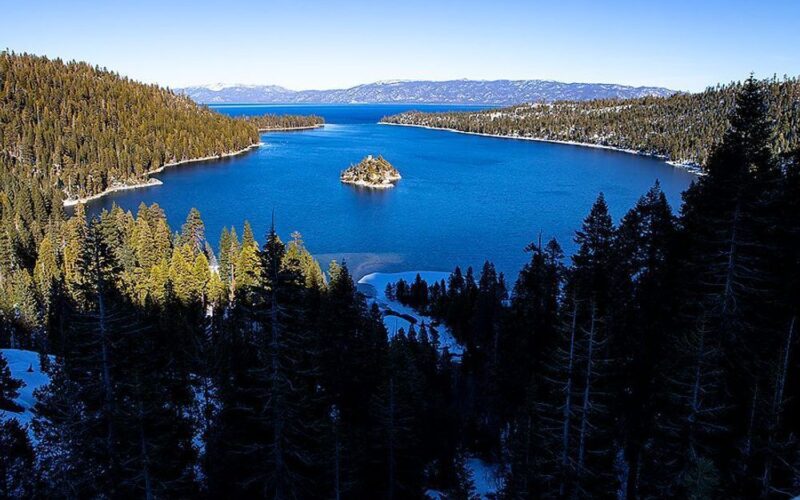
Editorial research: the companies’ official program, workshop and background pages, reviewed September 12, 2026. Opening photograph: Emerald Winter, Neal Nachman / Artistic Creationz. The photograph illustrates a landscape destination, not a completed tour or a confirmed itinerary.