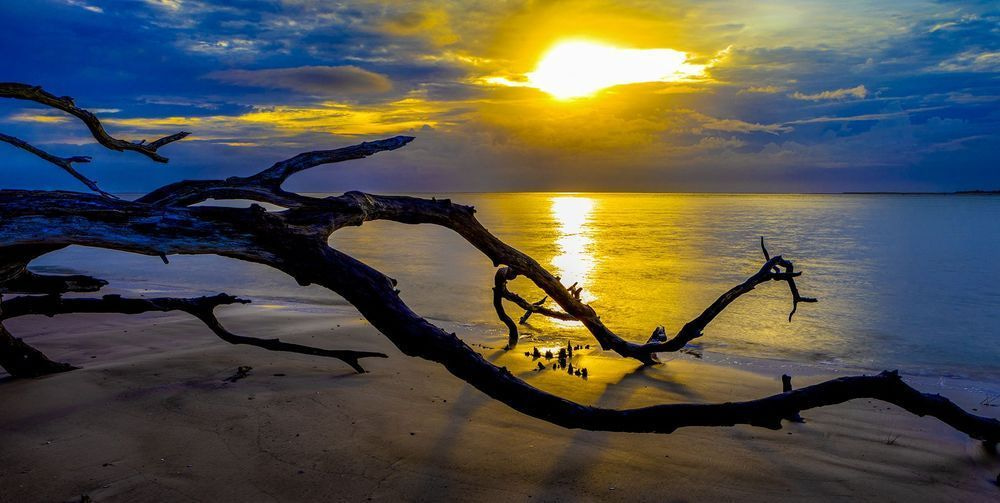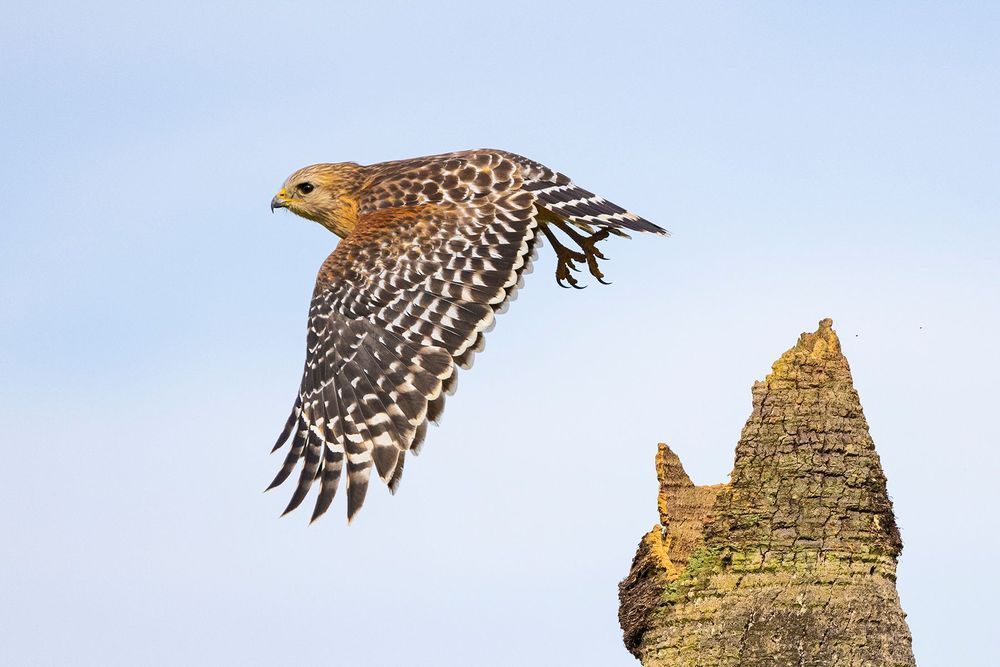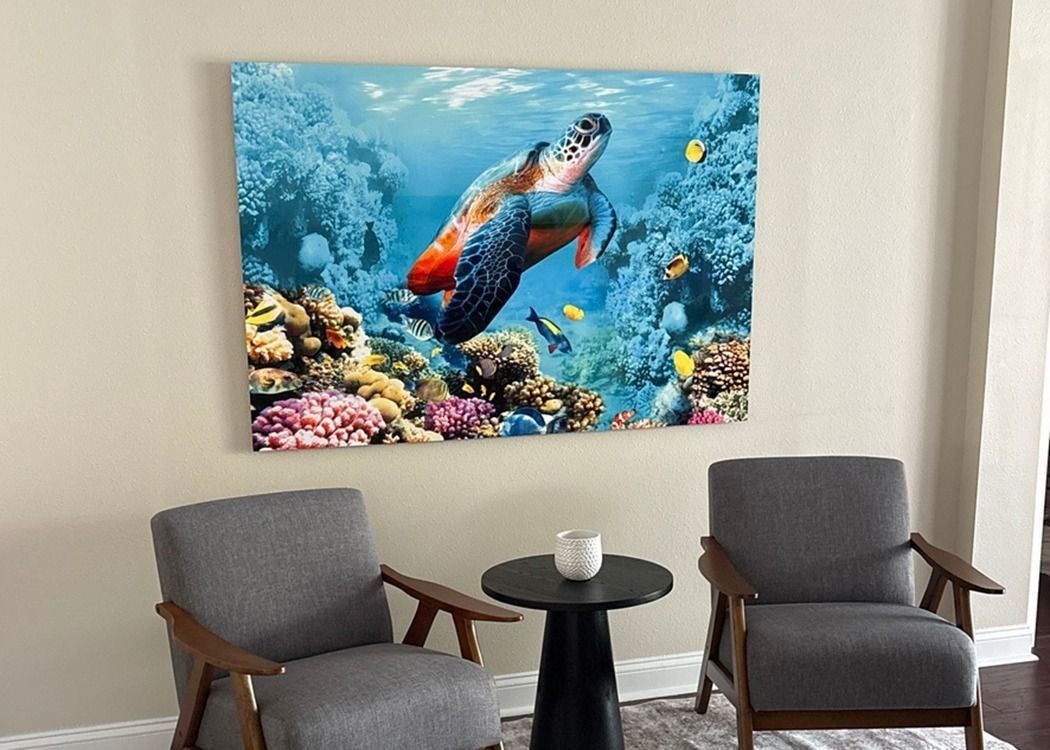
Photograph: Neal Nachman / Artistic Creationz. Used as an illustrative image.
A photograph can look convincing on a bright screen and feel unresolved on paper. Printing small is a useful way to interrupt that familiarity. The print has a fixed size, a physical edge and a relationship to the room around it. You cannot endlessly zoom in to avoid deciding what the image is doing as a whole.
Read the image from a distance
Put a small print on a plain wall and step back. Notice where your attention lands first. Is it the intended subject, a bright corner or a distracting shape at the edge? Write down the observation before changing the file.
Then move closer. Look for transitions that are too abrupt, shadows that merge together or detail that adds little to the picture. Separate those problems from normal differences between a luminous display and reflected light on paper.
Compare photographs physically
Lay several prints on a table. Change the sequence, remove a frame and try pairing two images that initially seem unrelated. Physical editing makes repetitions easier to notice: the same horizon height, similar gestures or an unnecessary second ending.
Use inexpensive working prints for this stage. They are decision-making tools, not finished exhibition objects. Keep a note of the file version so a useful print can be traced back to its edit.
Make one change at a time
If a picture needs work, identify one reason and reprint after that adjustment. Constantly changing contrast, color and crop together makes it difficult to know what helped. A modest print can offer a surprisingly clear answer when the question is specific.
Continue exploring
The Finished Photograph: A Professional Guide to Metal Prints · How to Prepare Photographs for Juried Shows and Gallery Submissions