Research-based review using DJI’s published specifications and support documentation. We have not conducted hands-on flight or image-quality tests.
The DJI Mini 4 Pro combines a compact folding airframe with a camera that can rotate for vertical capture. Its strongest practical appeal is the ability to plan horizontal photographs and vertical video around one lightweight aircraft. That convenience still needs to be weighed against a fixed-aperture lens, environmental limits and the requirements of the intended flight.
What the camera provides
DJI’s specifications list a 1/1.3-inch CMOS sensor, 48 effective megapixels and a lens equivalent to 24mm with an f/1.7 aperture. JPEG and DNG still capture give photographers a choice between immediate files and a more flexible editing workflow. The shutter is electronic. Select shutter speeds for the chosen resolution rather than assuming every still mode has identical limits.
For a landscape assignment, make a short file checklist before departure: required orientation, delivery dimensions, highlight protection and whether exposure brackets are useful. A 48MP label alone does not establish the amount of usable detail in a finished print. Compare original files at the intended output size. Our guide to RAW and JPEG drone workflows explains the delivery decision.
Vertical video and the editing commitment
The rotating gimbal supports True Vertical Shooting. DJI also lists 4K/60fps HDR video, 4K/100fps slow-motion recording, and 10-bit D-Log M and HLG options. Check the codec and frame-rate requirements of the selected mode before treating these as interchangeable settings.
A useful preparation exercise is to take a representative clip through the complete edit, color-management and export process. A recording option is valuable only if the editing computer and delivery platform can handle it reliably. Photographers making primarily stills may value a predictable capture routine more than an elaborate video profile.
Battery and obstacle-sensing limits
DJI rates the standard battery at up to 34 minutes under its test conditions. The Battery Plus is rated up to 45 minutes and takes the aircraft above 249g. These are manufacturer maximums, not a promise of usable shooting time. Plan a return reserve rather than filling an assignment schedule with the headline endurance figure.
DJI’s support material describes omnidirectional obstacle sensing. Treat that assistance as a system with operating conditions and limitations. It does not replace visual observation, a safe flight plan or location permissions. Weight alone does not establish whether a particular flight is permitted.
Who should consider it
The Mini 4 Pro merits consideration when compact transport and vertical capture are central to the assignment. Before purchase, compare its fixed wide view with the photographs actually required, confirm current regional support and battery availability, and review the operating manual. Use our drone deliverables checklist to turn those requirements into a practical decision.
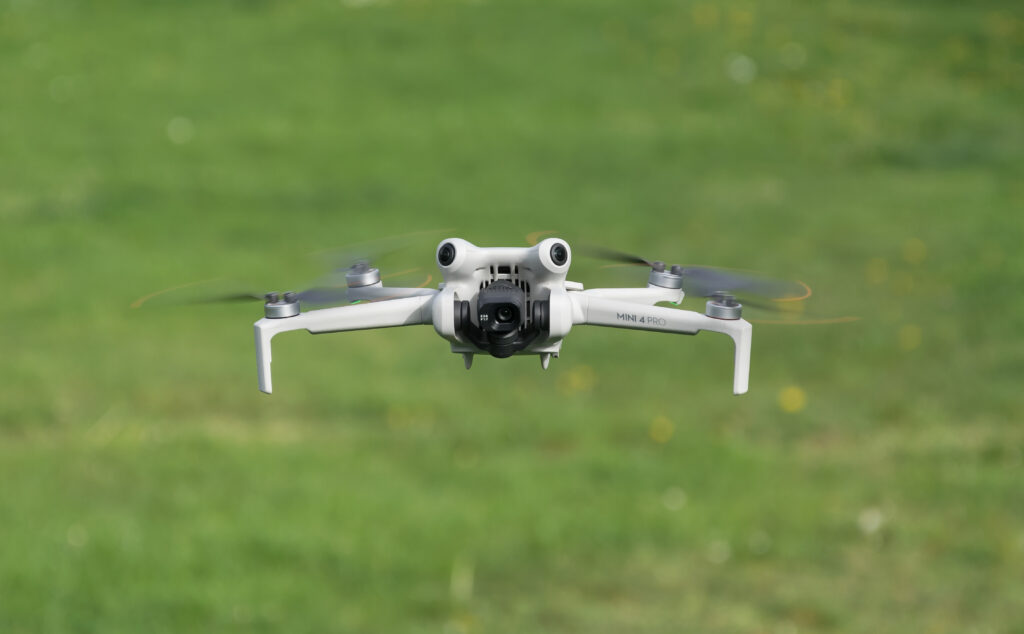
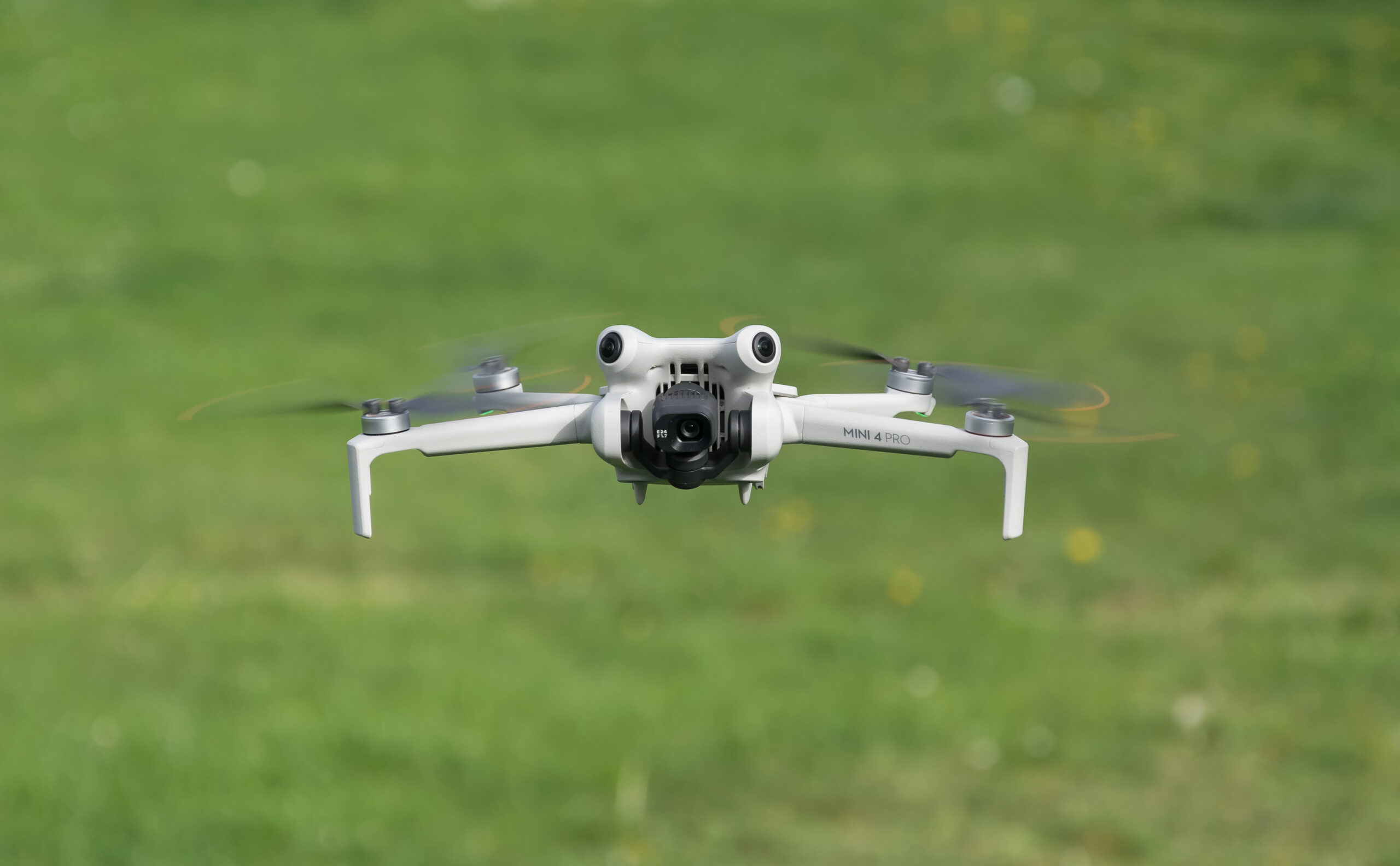
Feature photo: Jacek Halicki / Wikimedia Commons, CC BY-SA 4.0. Resized for display. The photographer does not endorse this review.
Sources: DJI Mini 4 Pro specifications; DJI Mini 4 Pro support. Reviewed October 30, 2026.